The clothes that make it to the second baby
Almost everything bought for a first baby is bought twice. Not because it wore out, though plenty does, but because it was chosen for a specific child and then the next one arrived and did not fit the plan. A wardrobe in one colour is a wardrobe with a shelf life, and that is a quietly expensive way to dress a family.
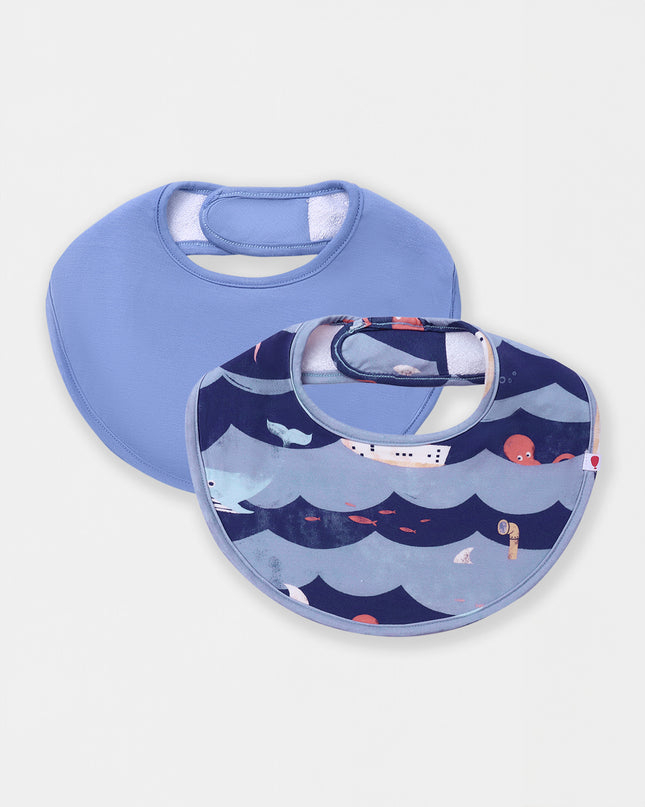
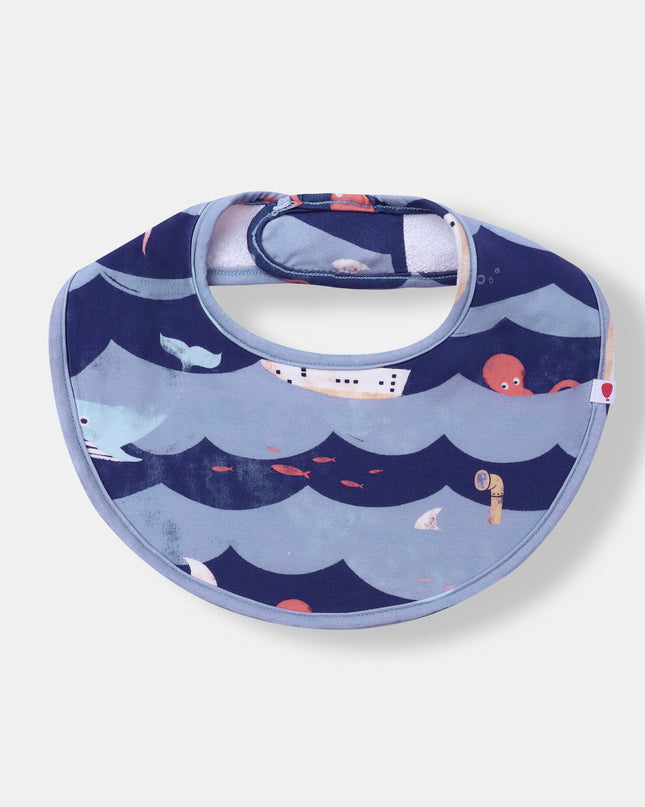
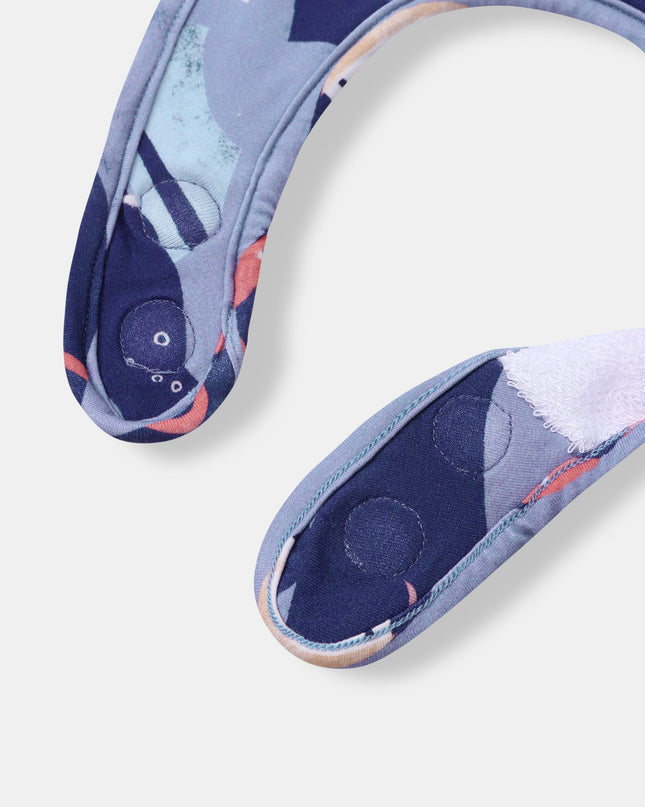
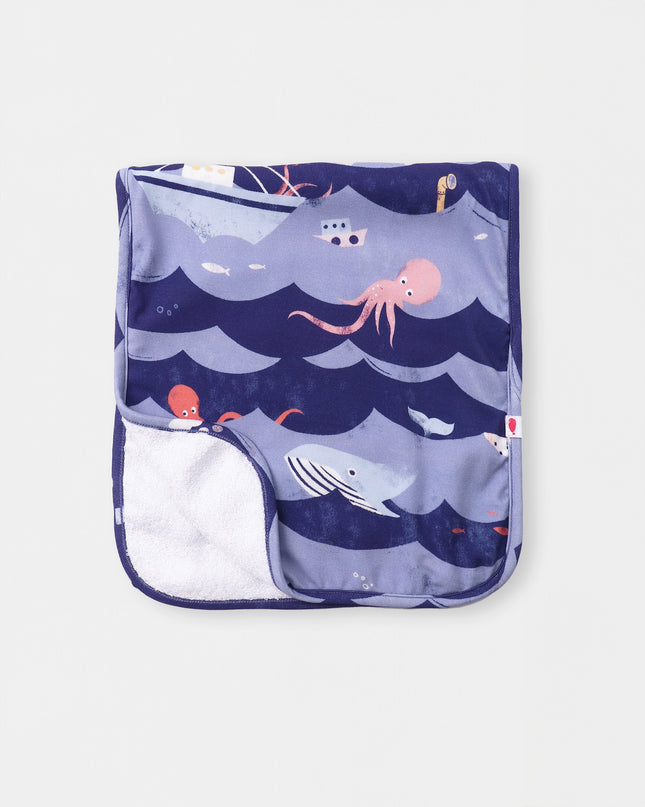
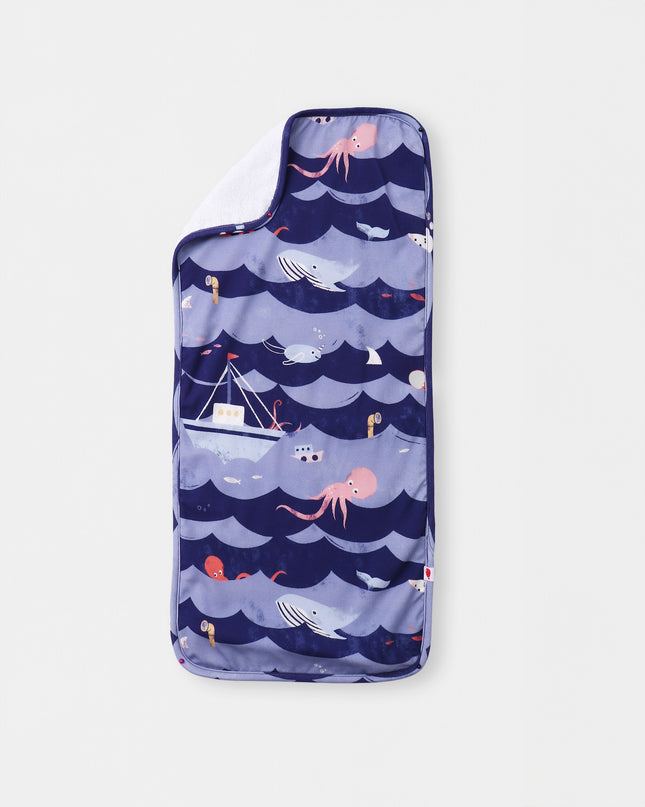
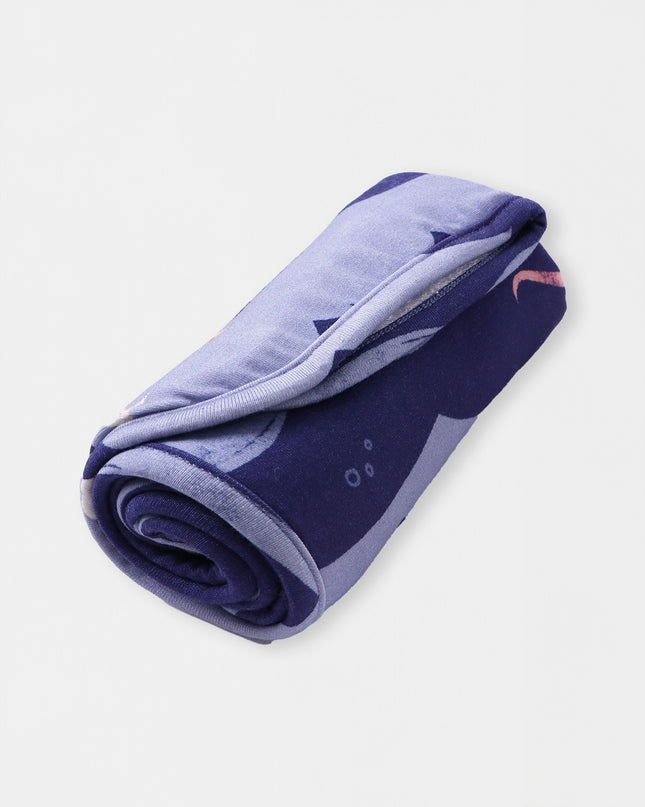
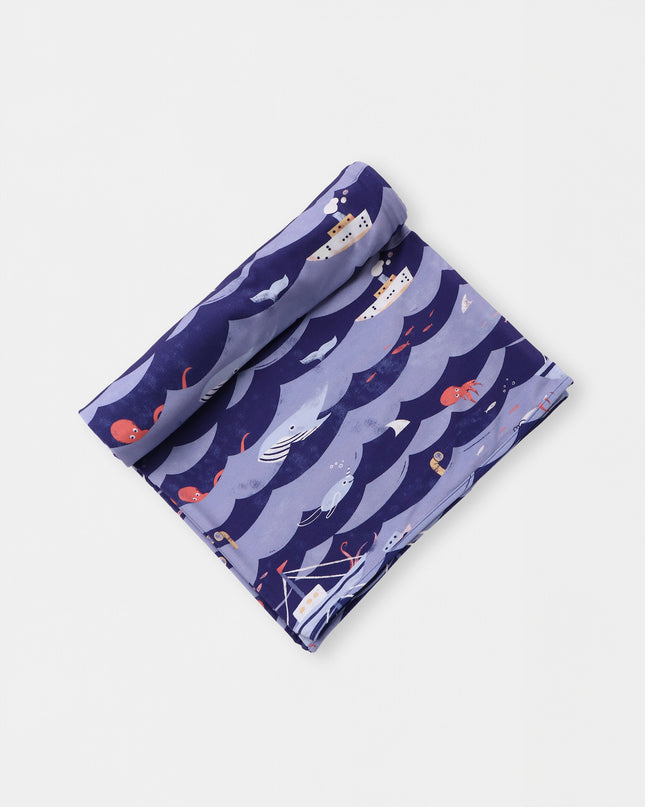
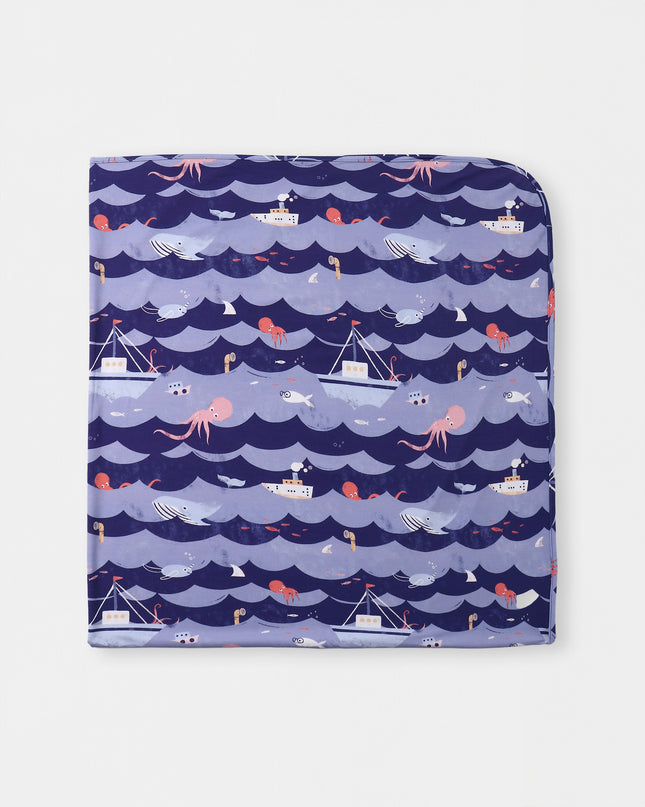
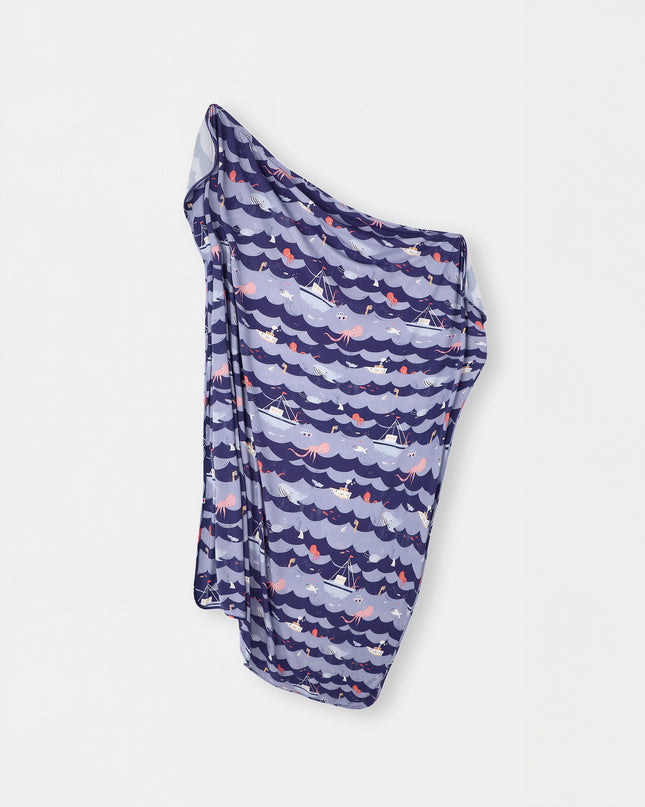
This is the print I would give someone who has not found out, or who thinks they might do this again. Ocean animals and deep blues, drawn in-house, with nothing in it that assigns the clothes to one child. The swaddle blanket you use in the first weeks is still the right swaddle blanket three years later for somebody else.
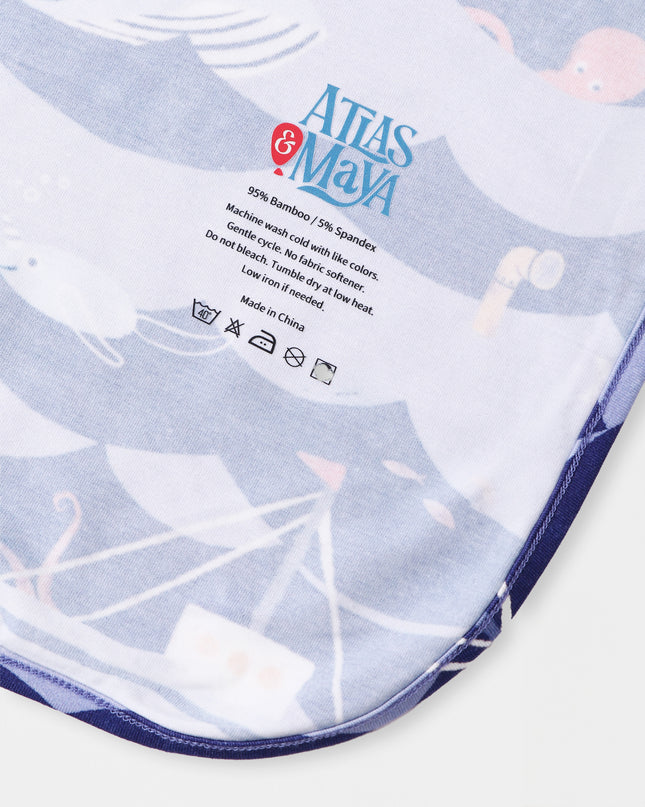
The fabric has to hold up for that to mean anything, and it is the reason we use bamboo lyocell. It keeps its softness and its shape through the kind of washing this climate demands, which is daily, between the heat, the sand and everything a baby does to an outfit before lunch.
It also breathes, which matters when a child crosses from 45 degrees outside to 20 inside several times a day in Dubai or Sharjah, and it matters most overnight, when the same garment is against her skin for ten or twelve hours.
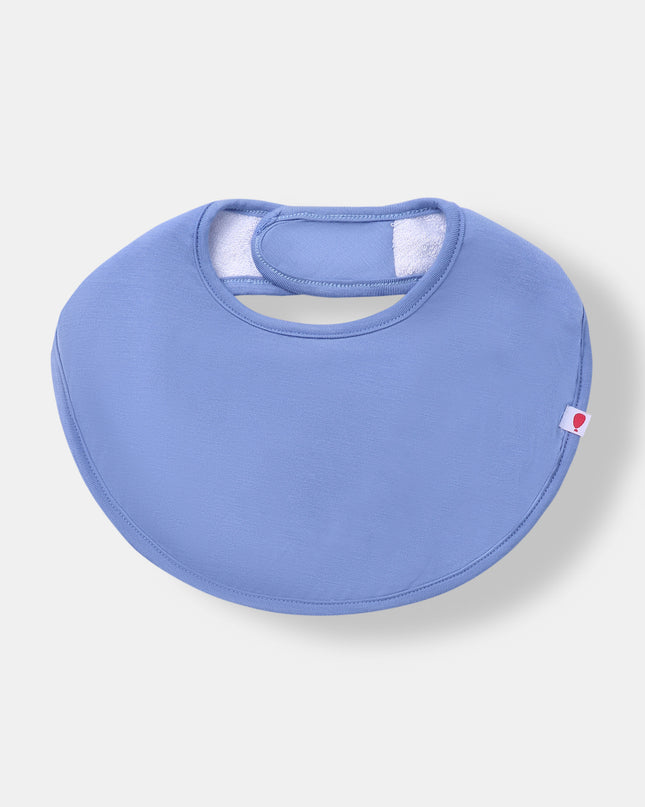
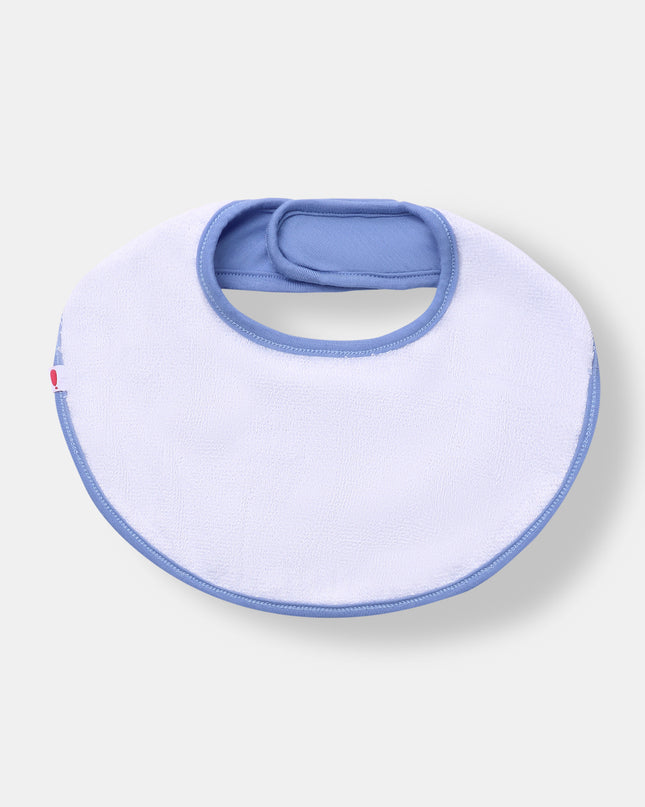
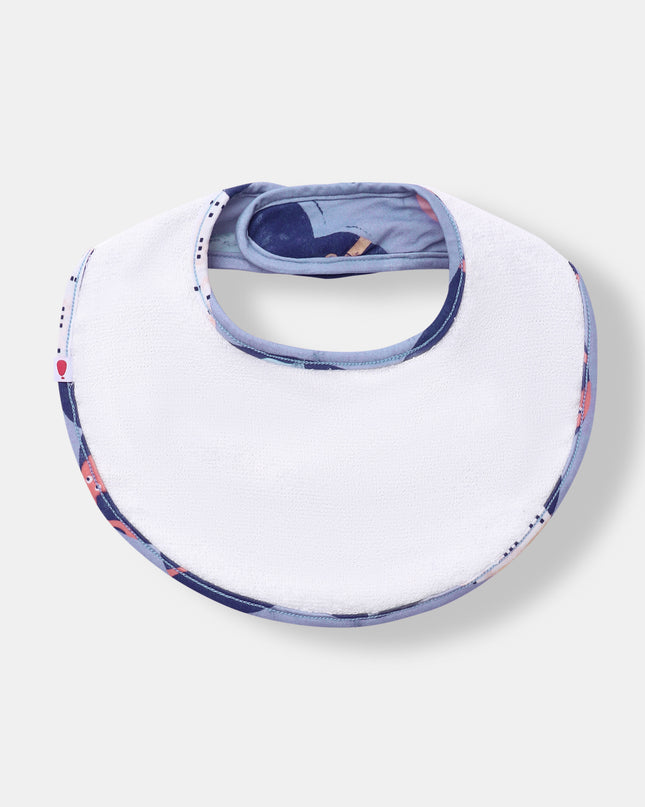
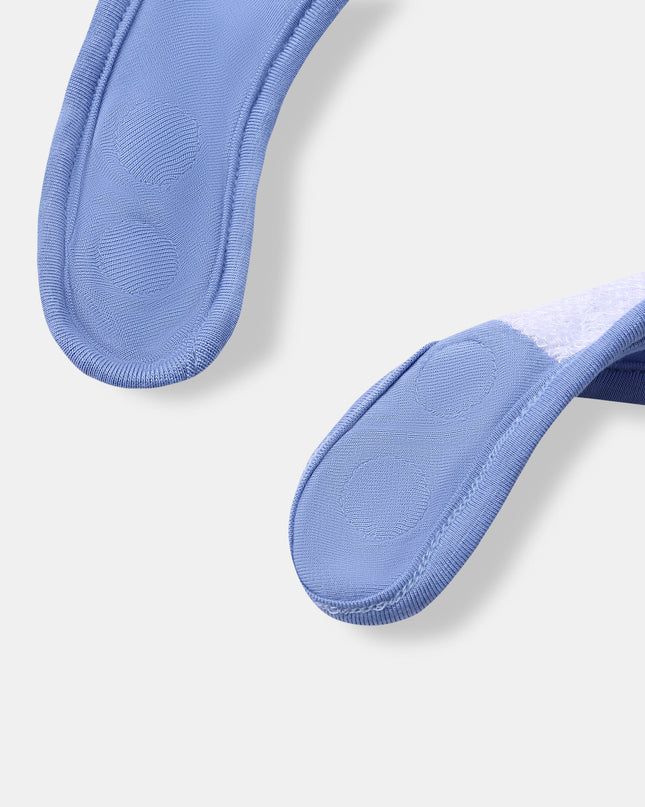
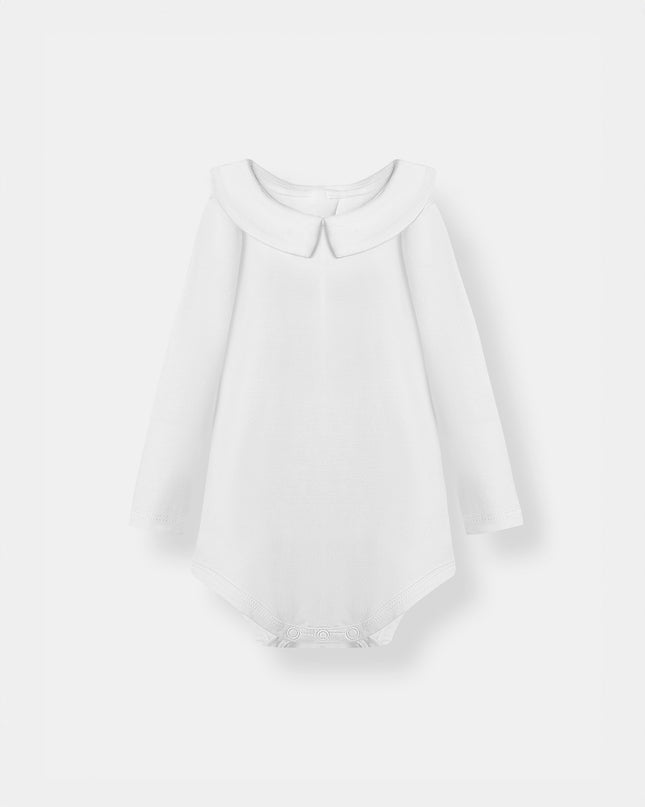
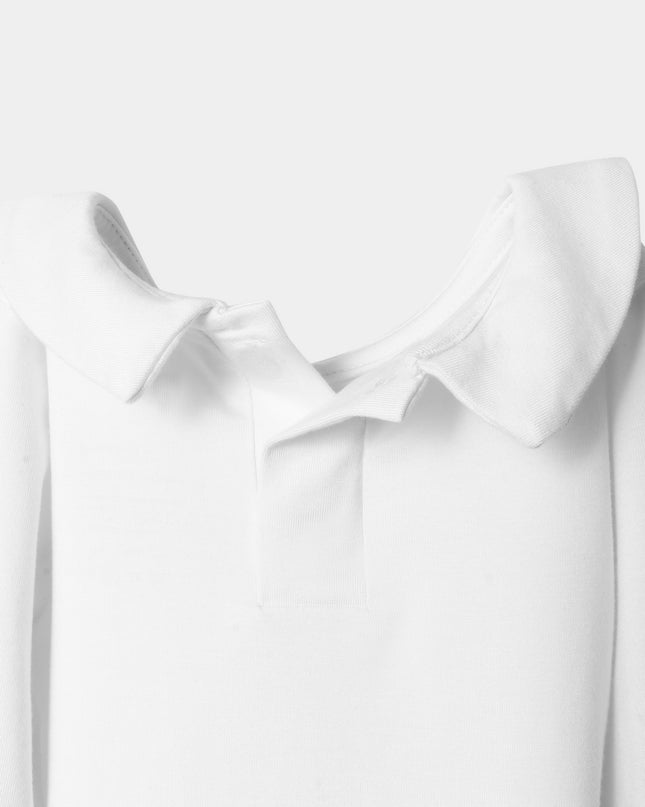
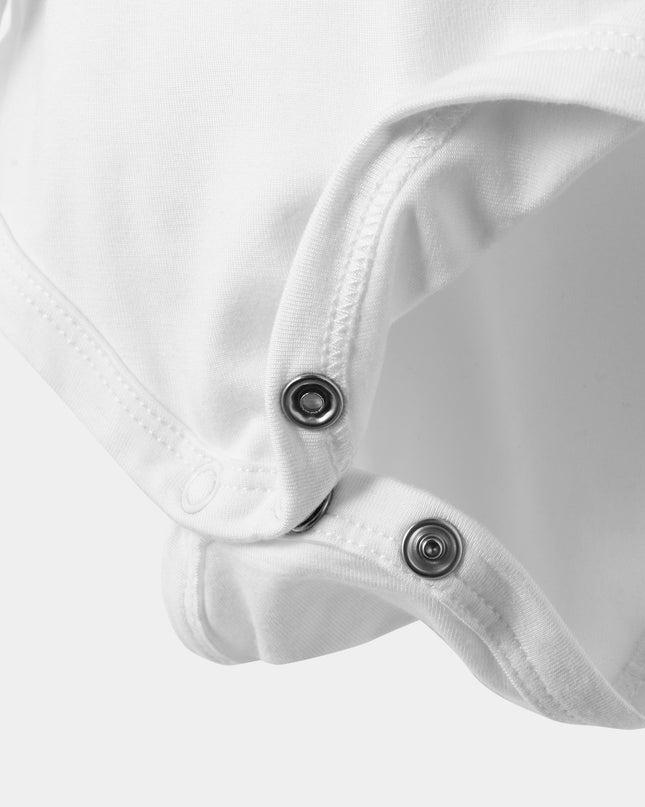
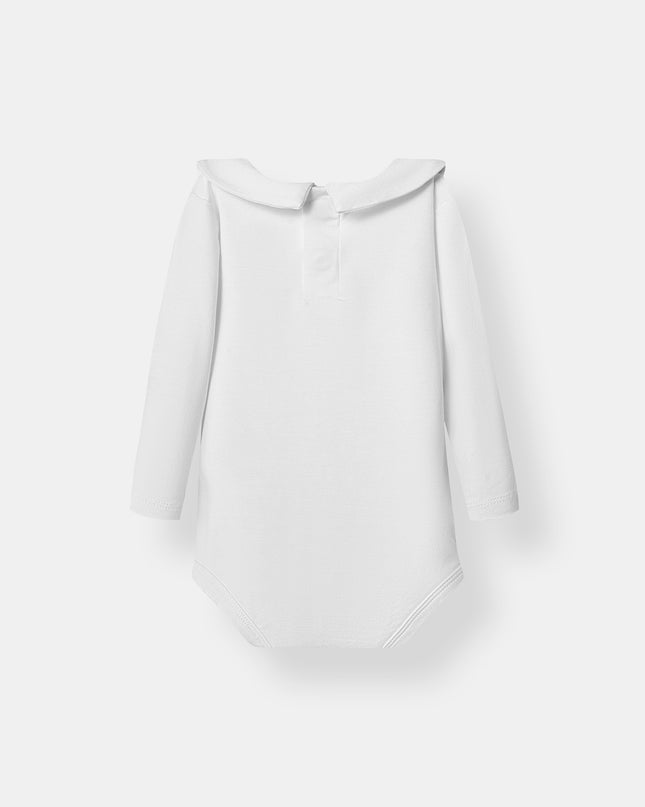
Every thread, dye and fastening is tested to OEKO-TEX Standard 100, Product Class I, the strictest class and the one written for articles worn by babies and toddlers. The bodysuits and bibs fasten with magnets sealed inside the fabric, so they close one-handed in the dark.