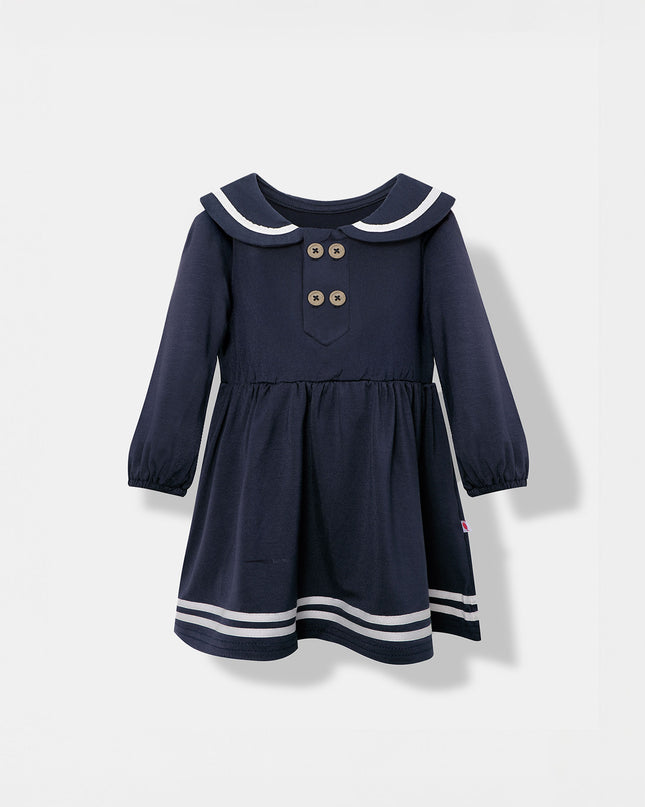
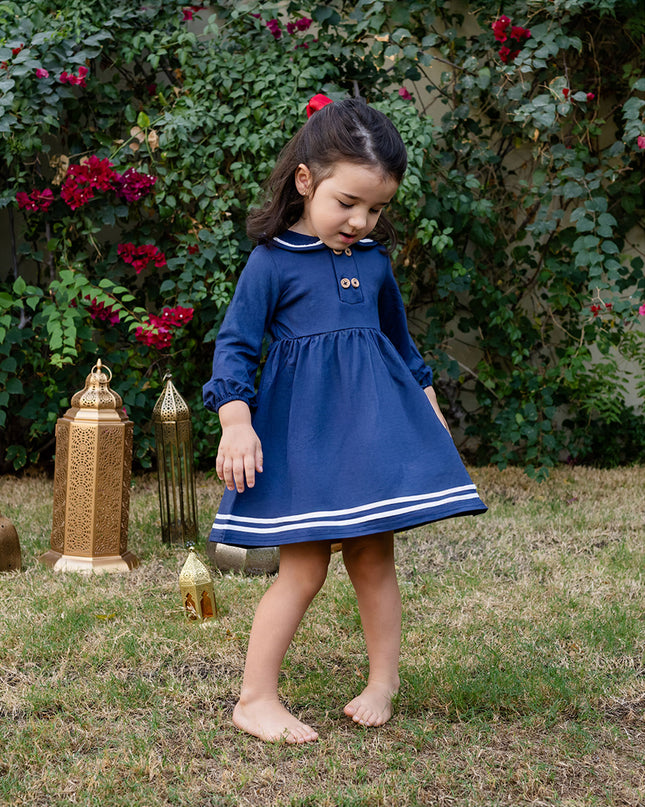
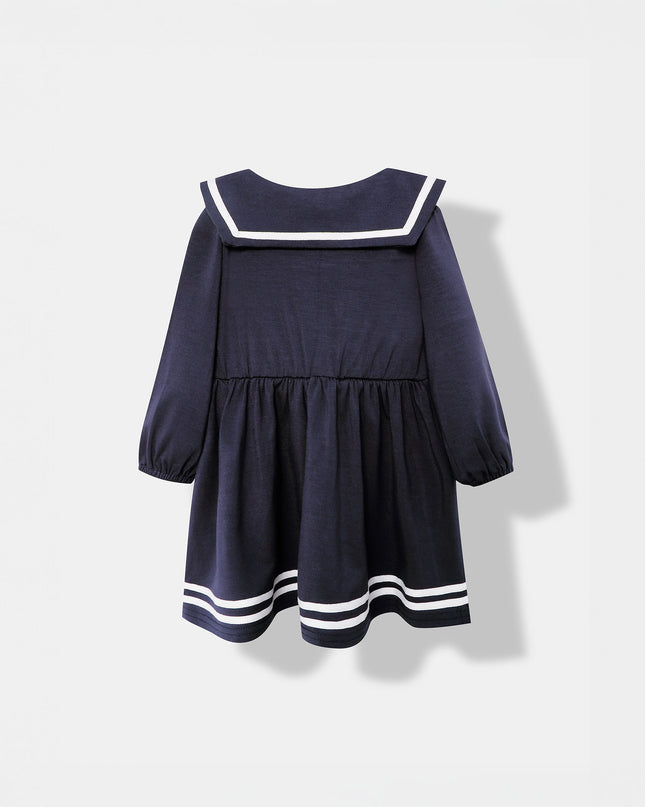
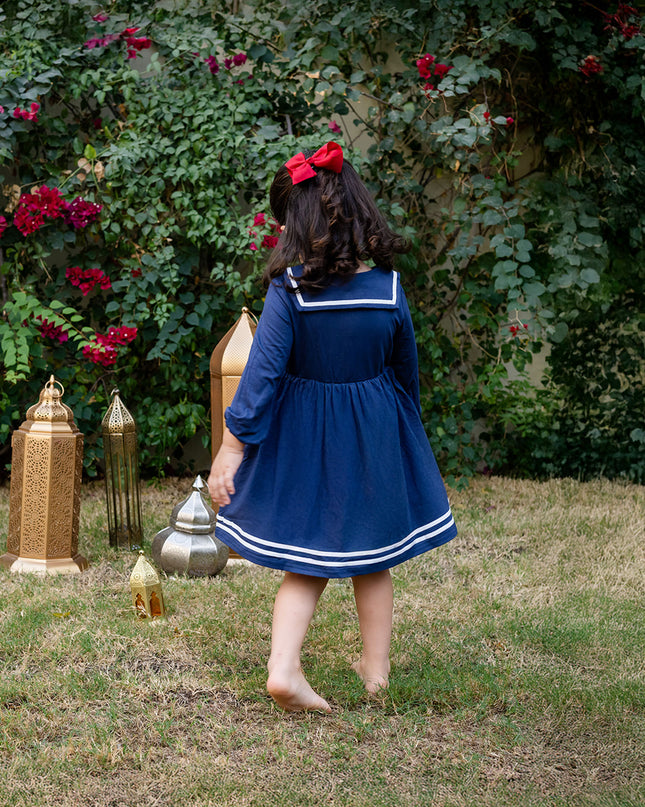
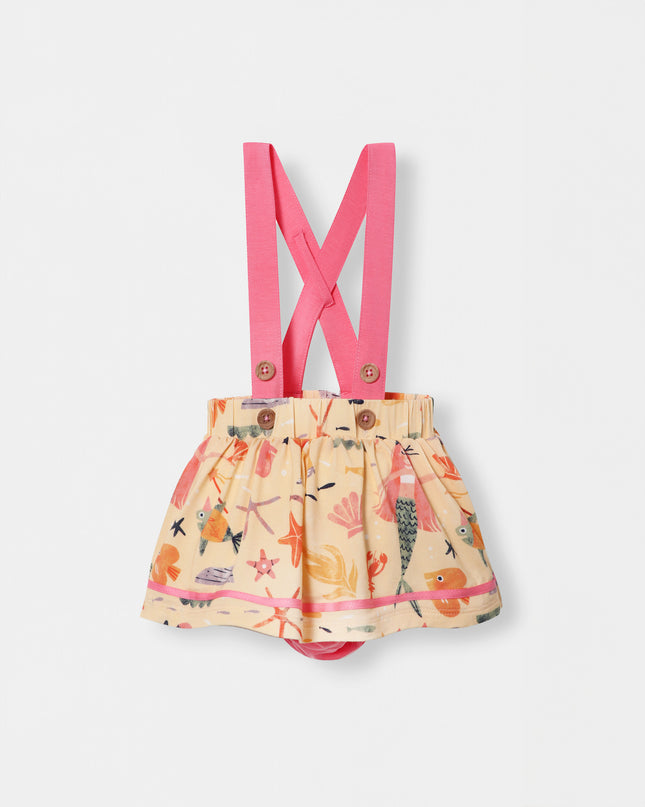
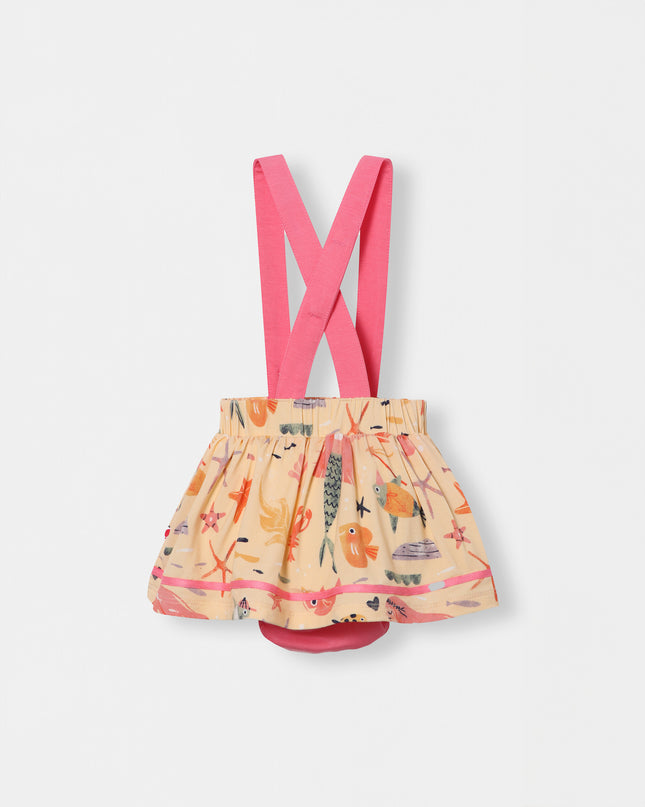
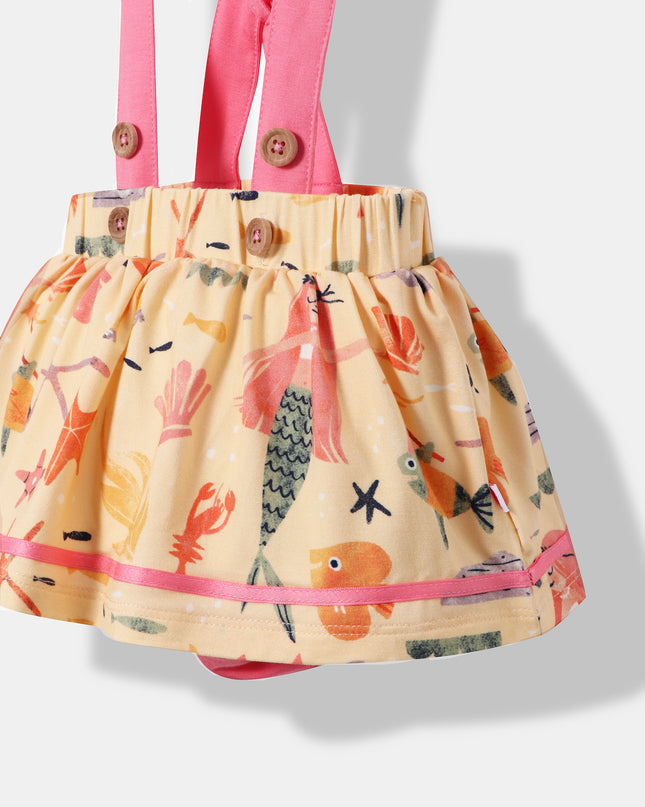
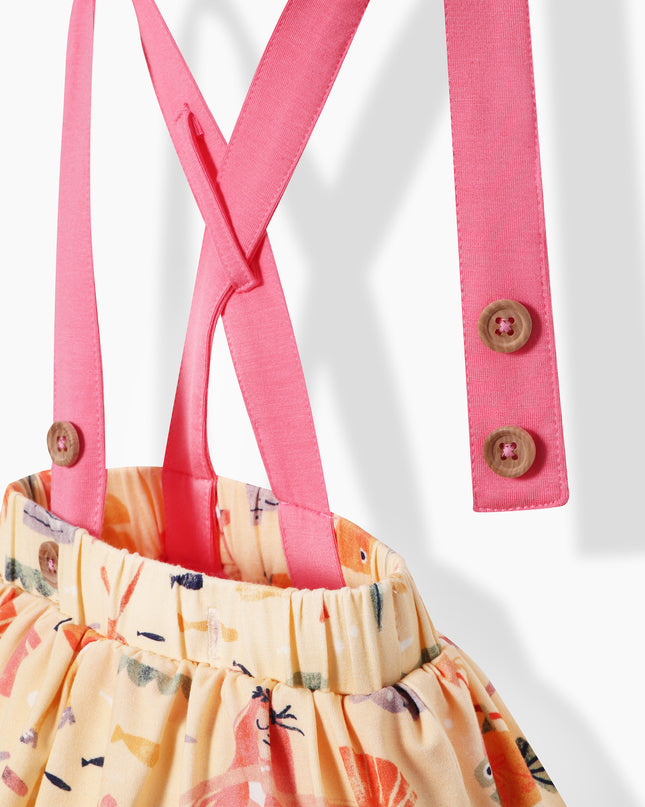
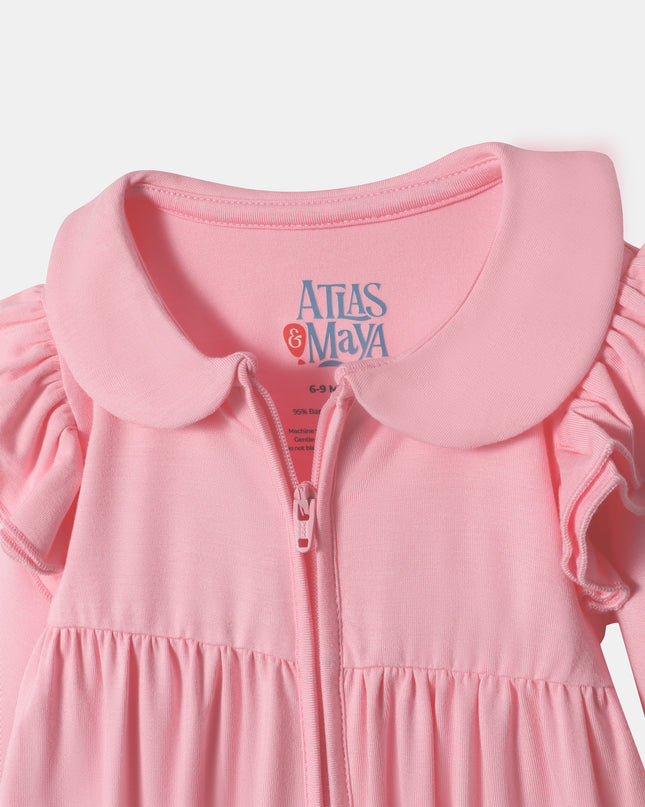
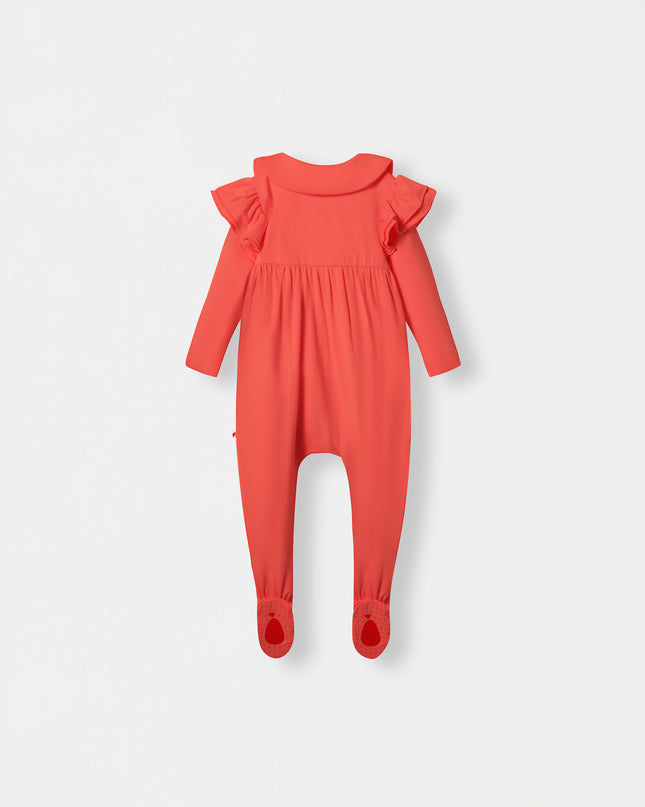
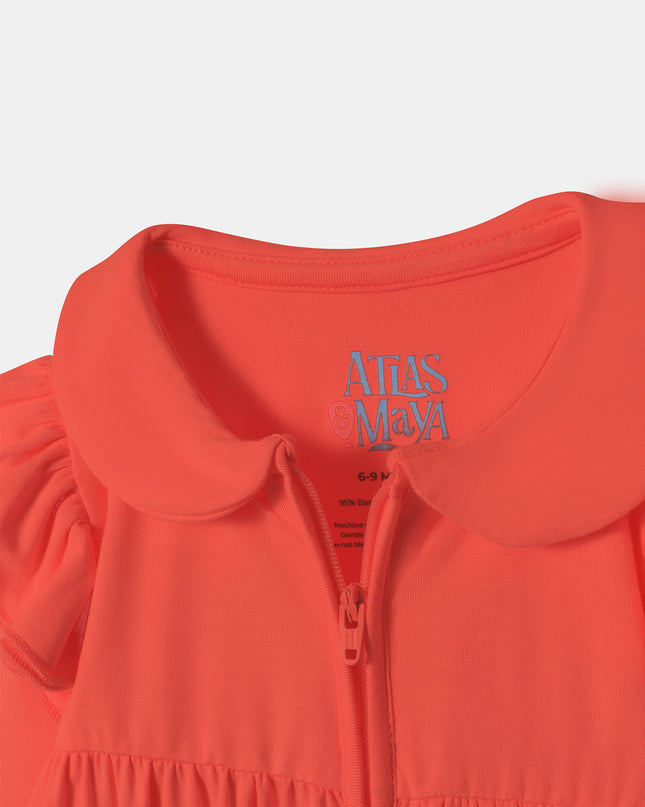
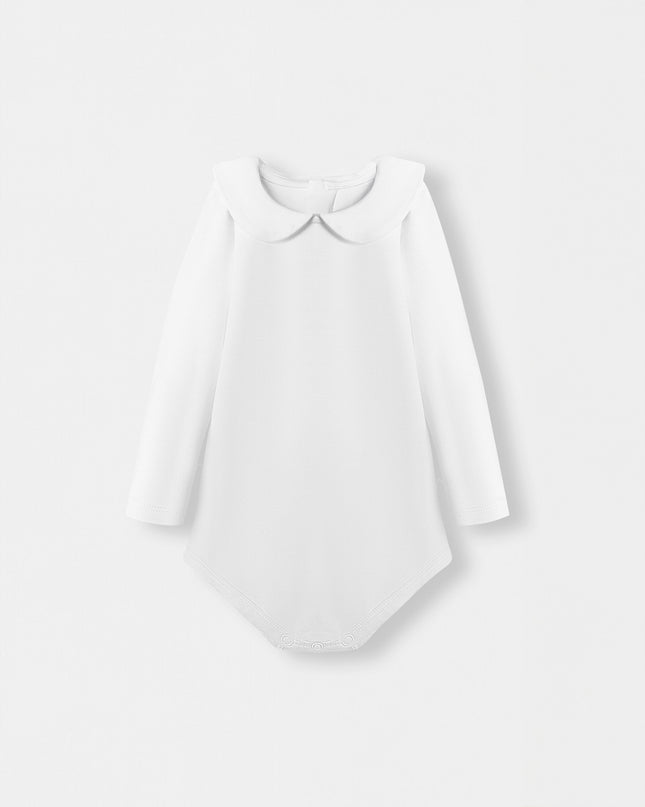
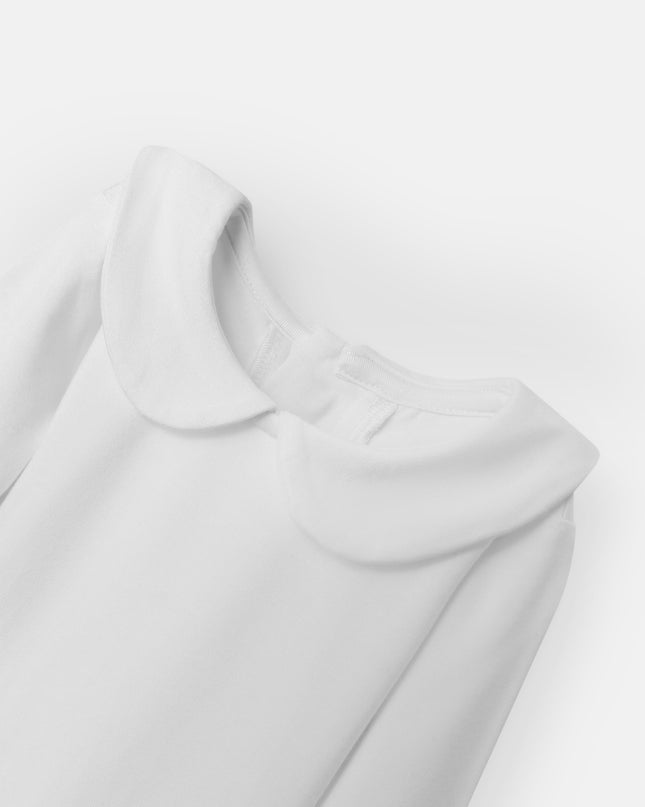
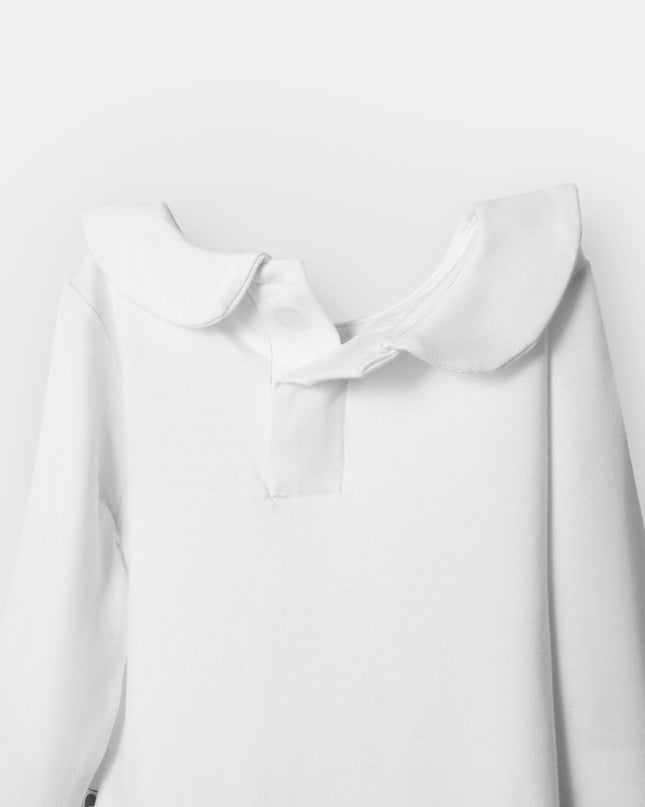
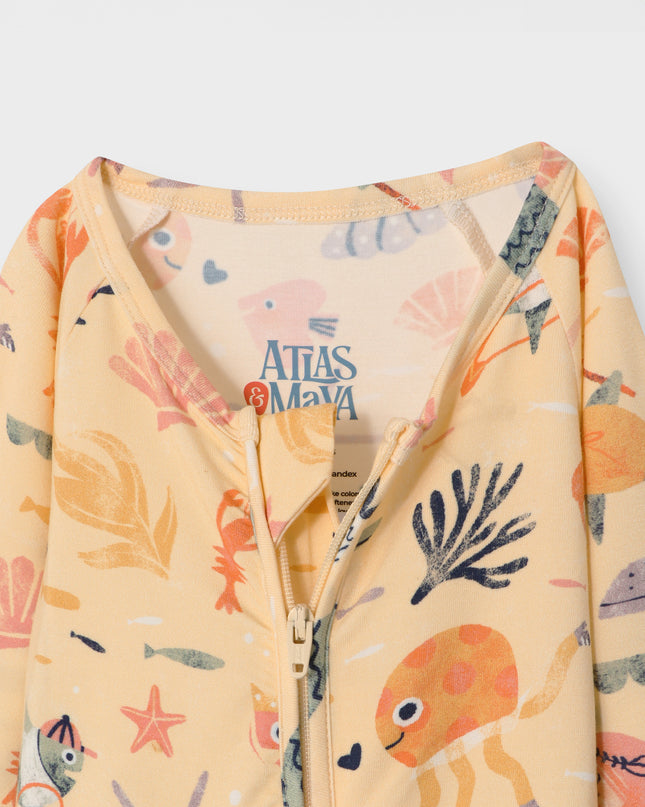
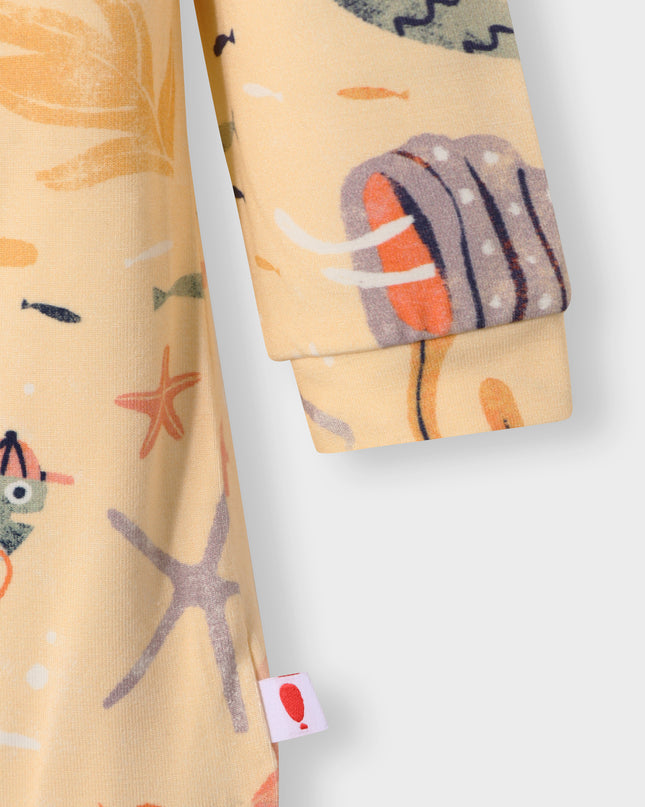
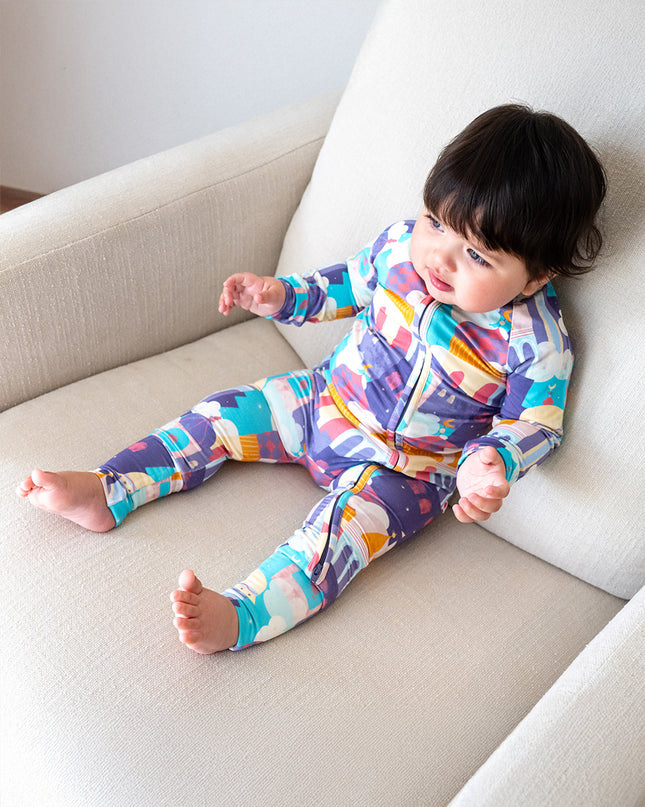
Do not save it for good
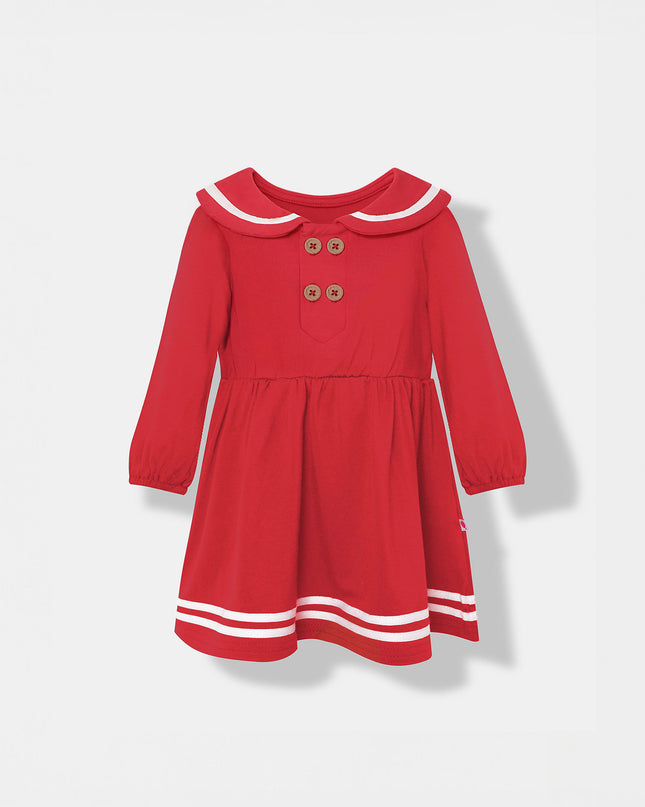
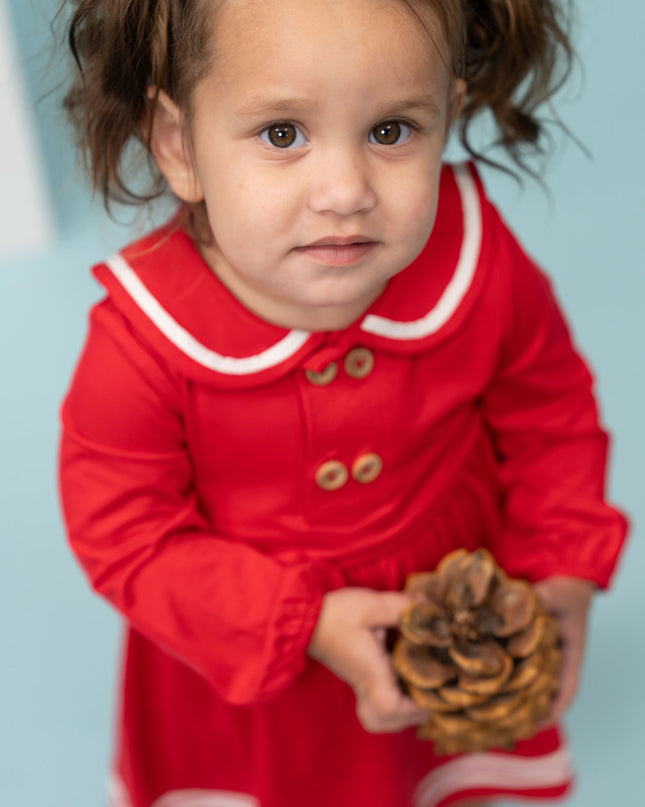
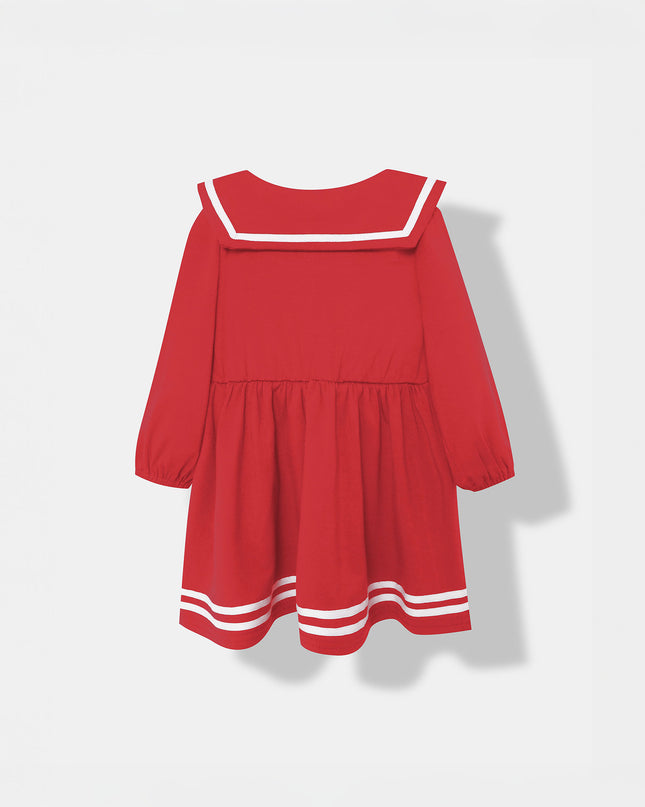
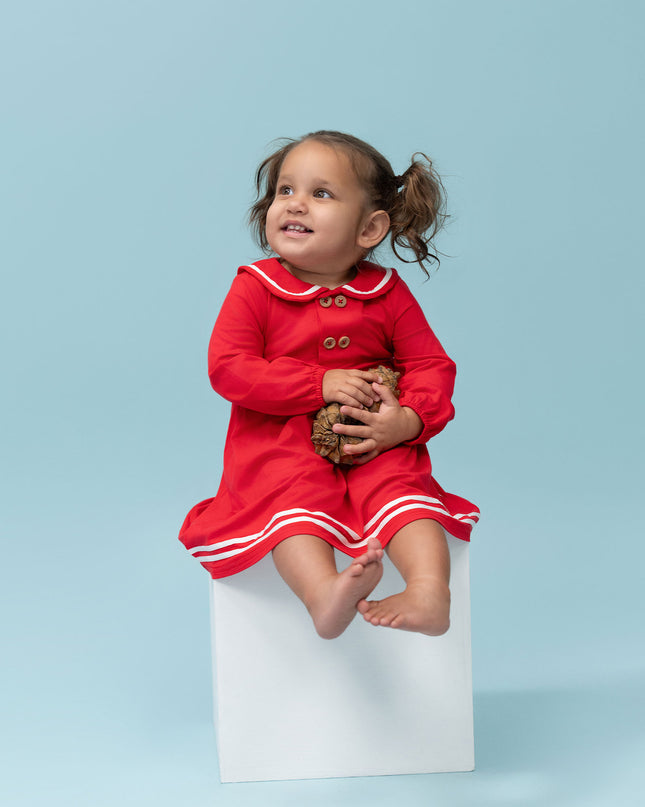
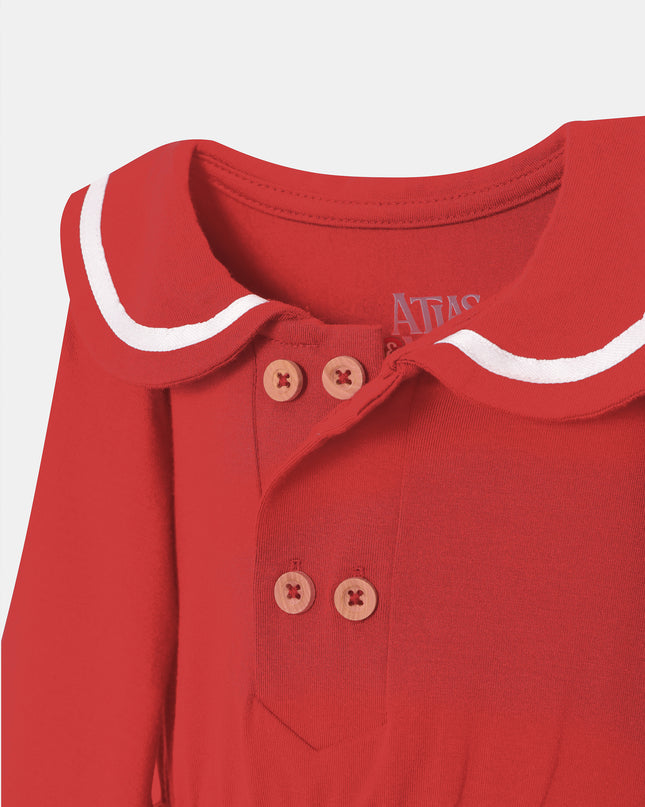
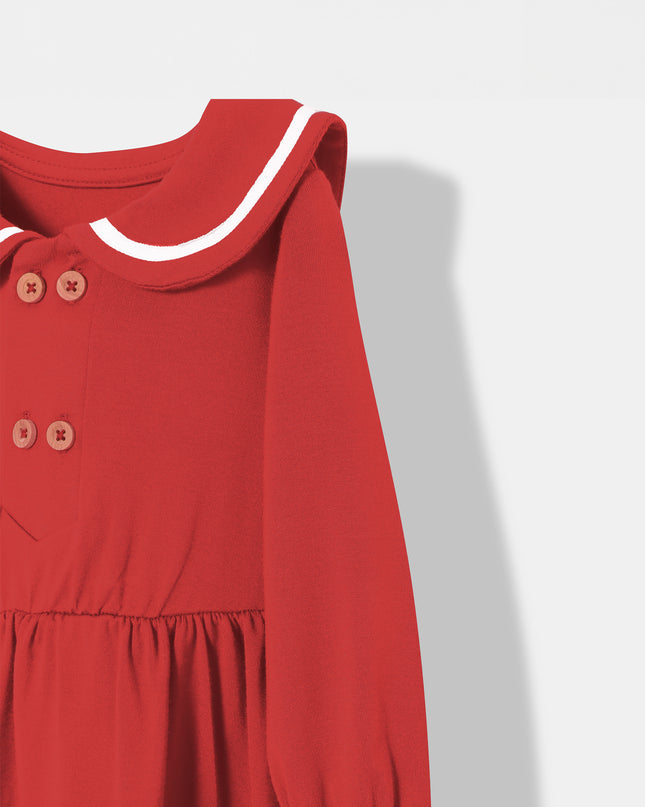
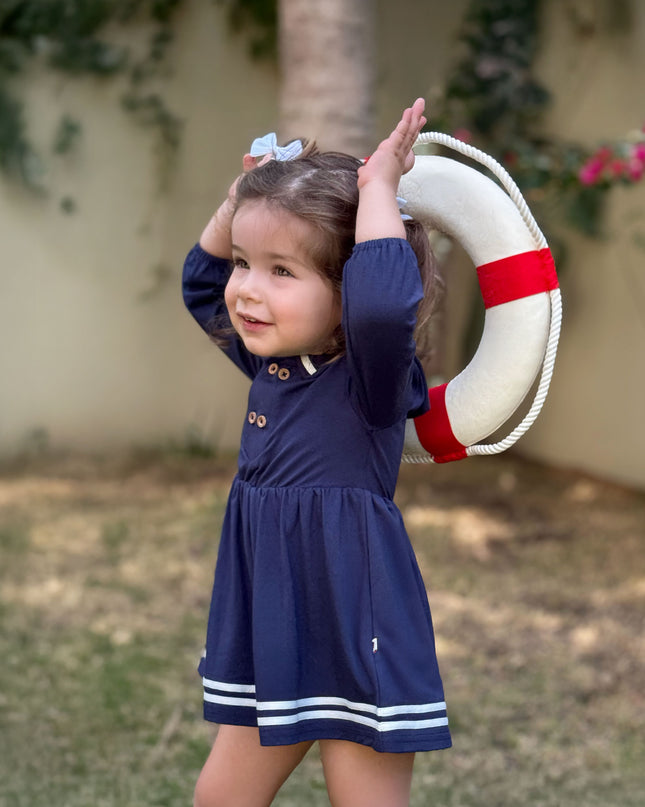
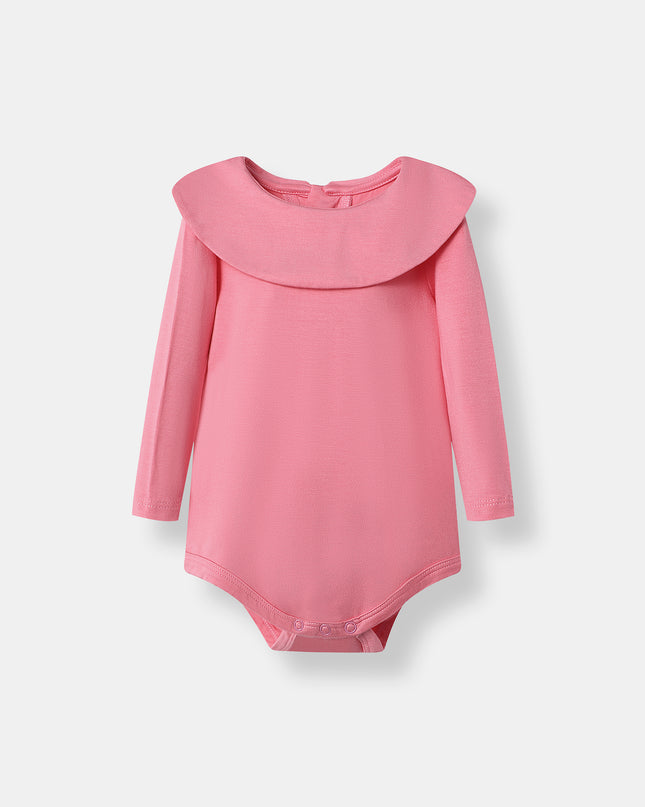
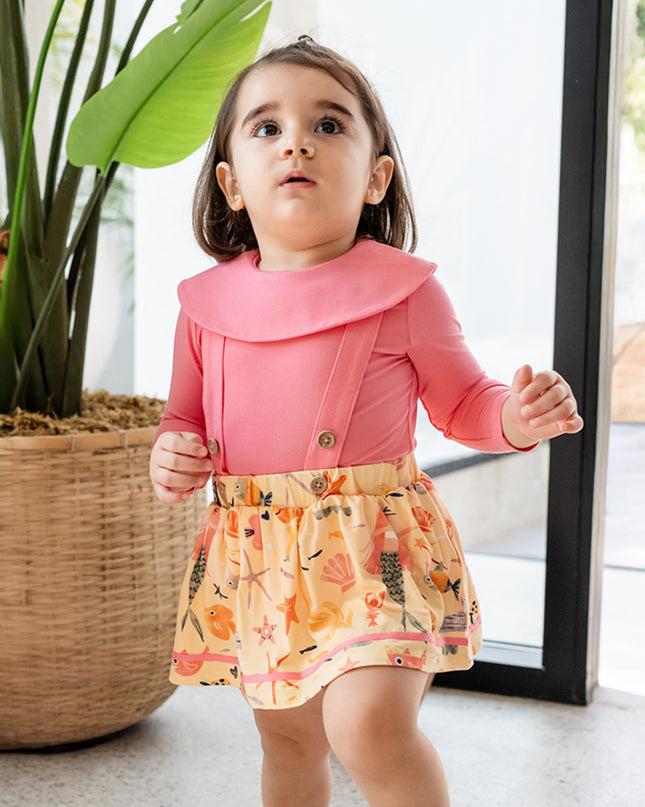
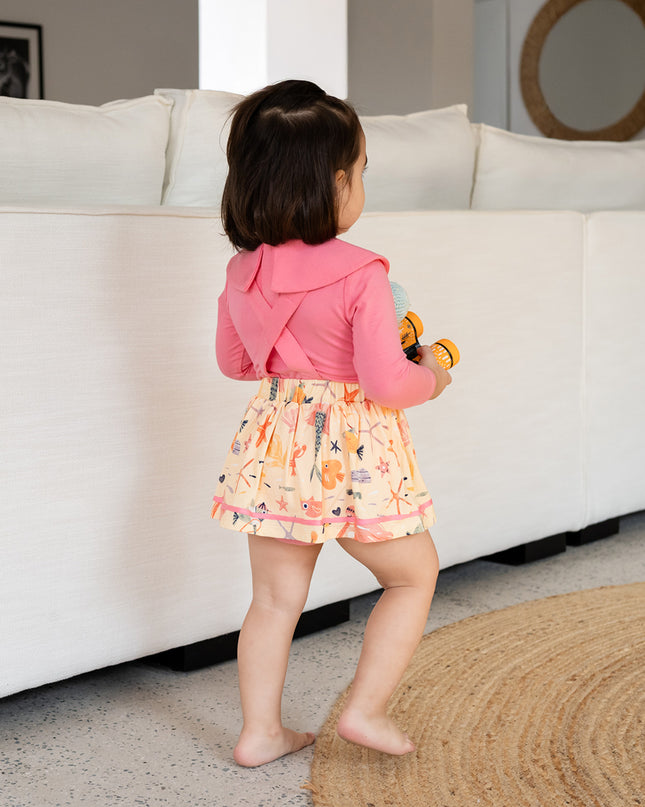
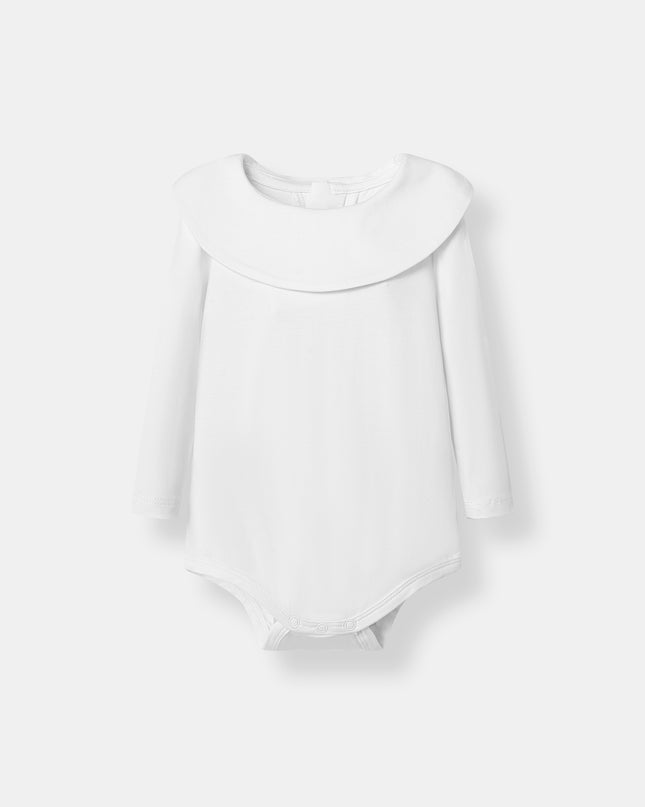
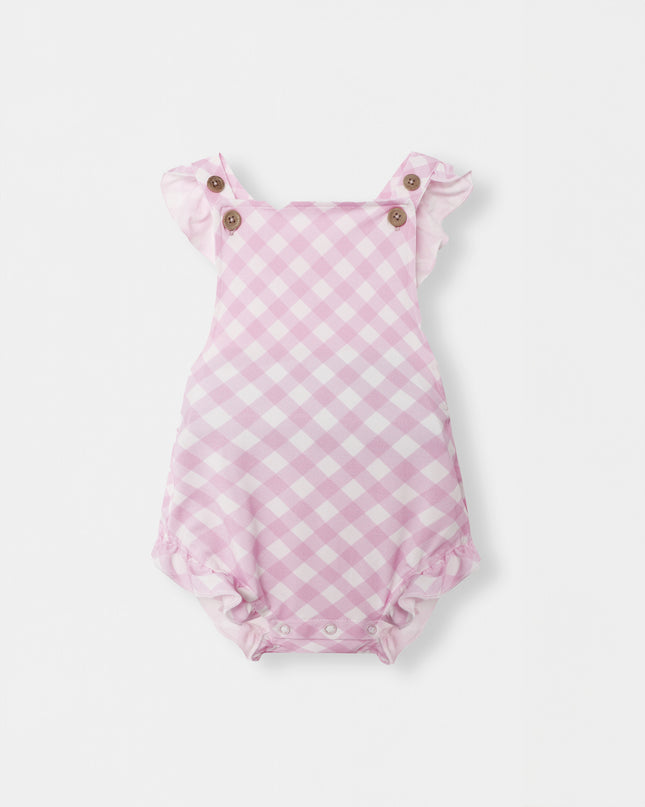
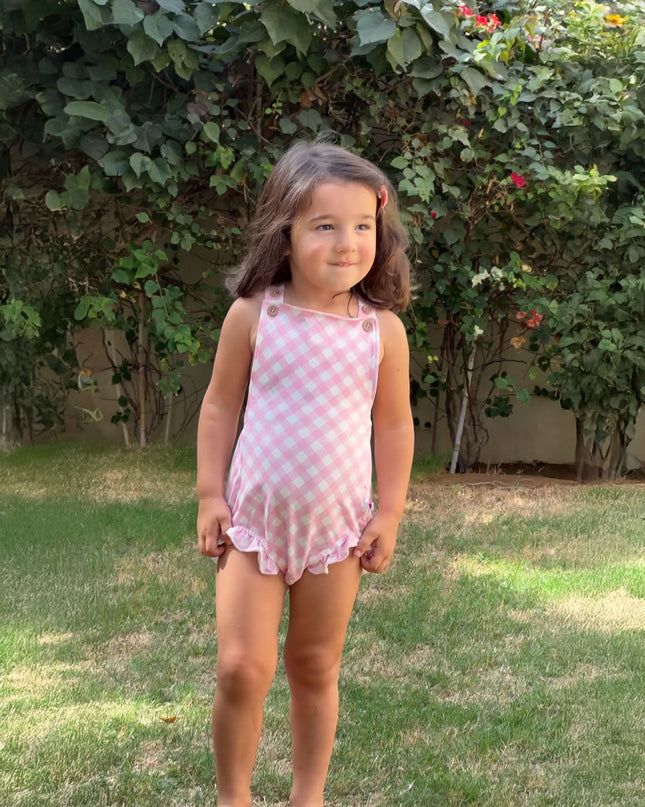
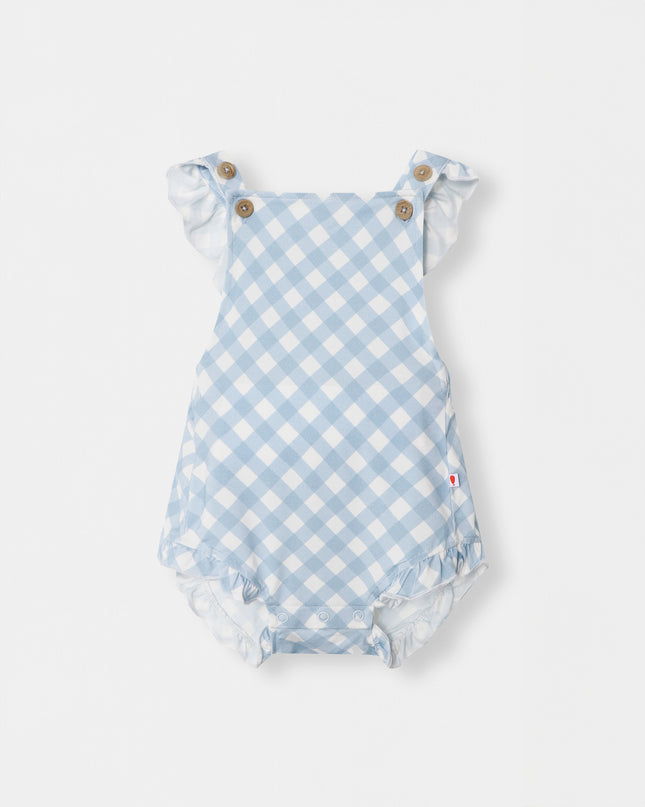
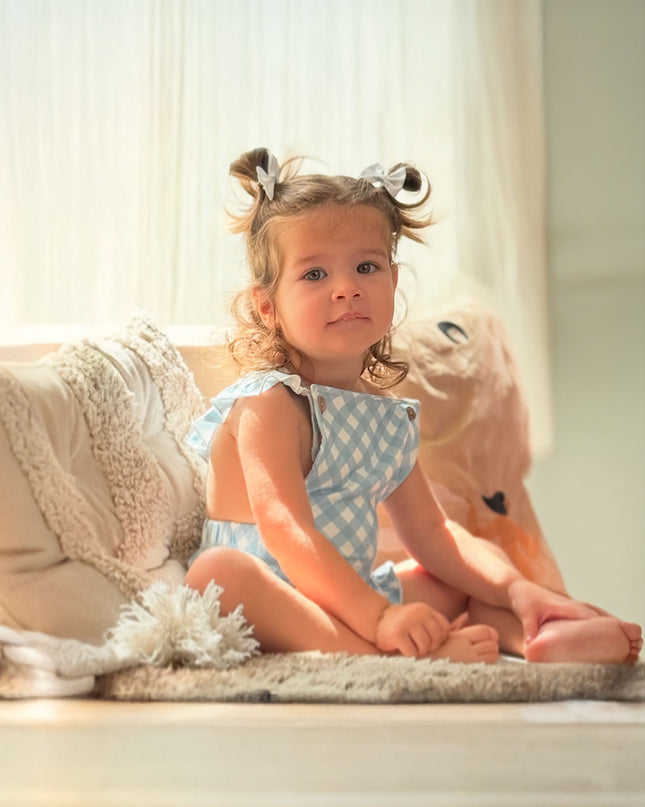
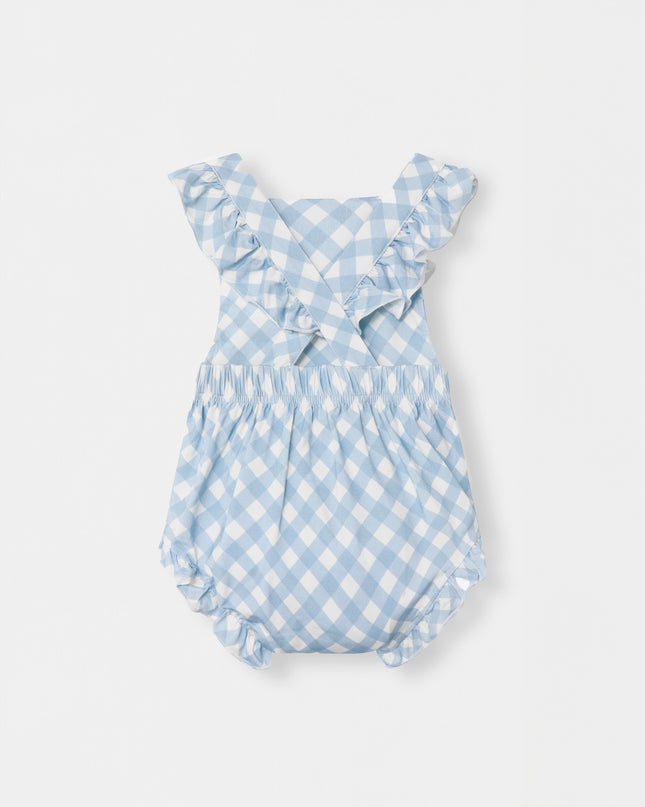
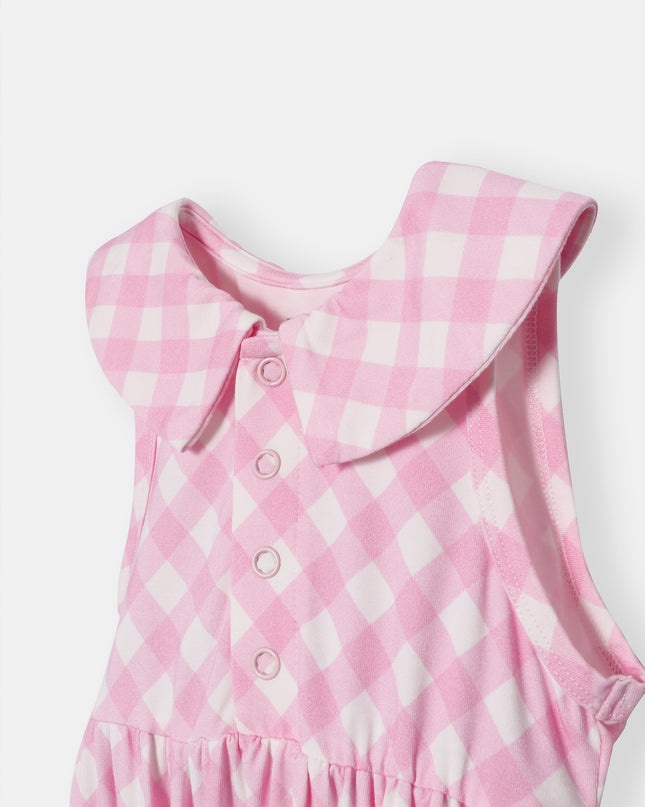
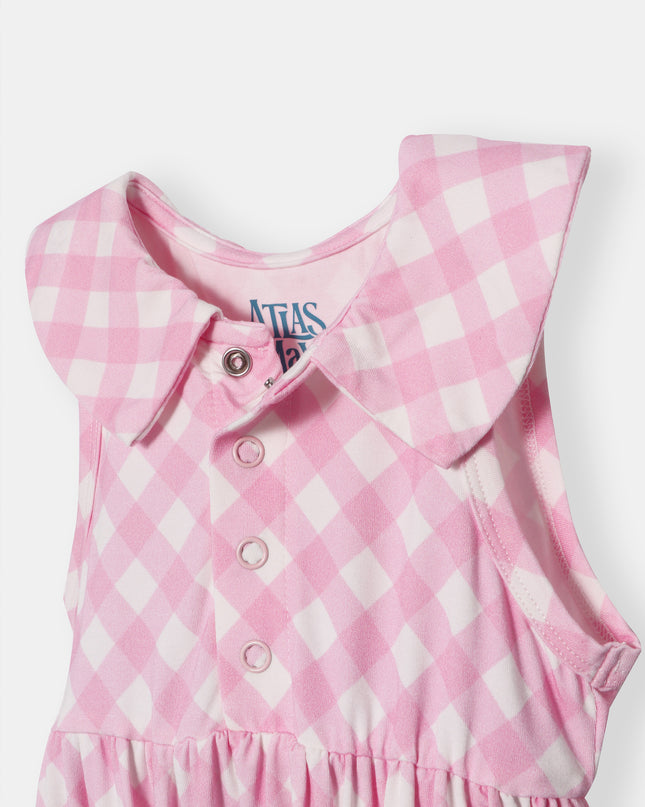
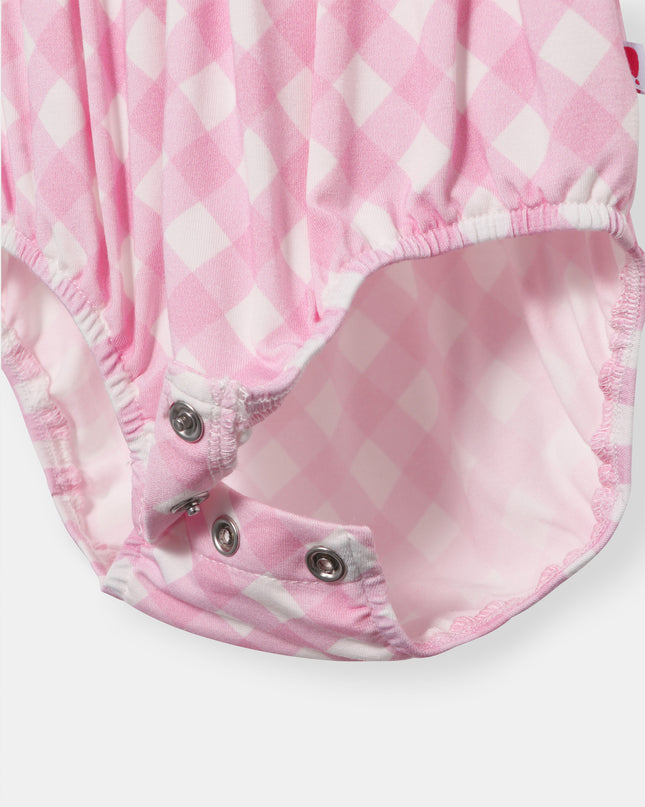
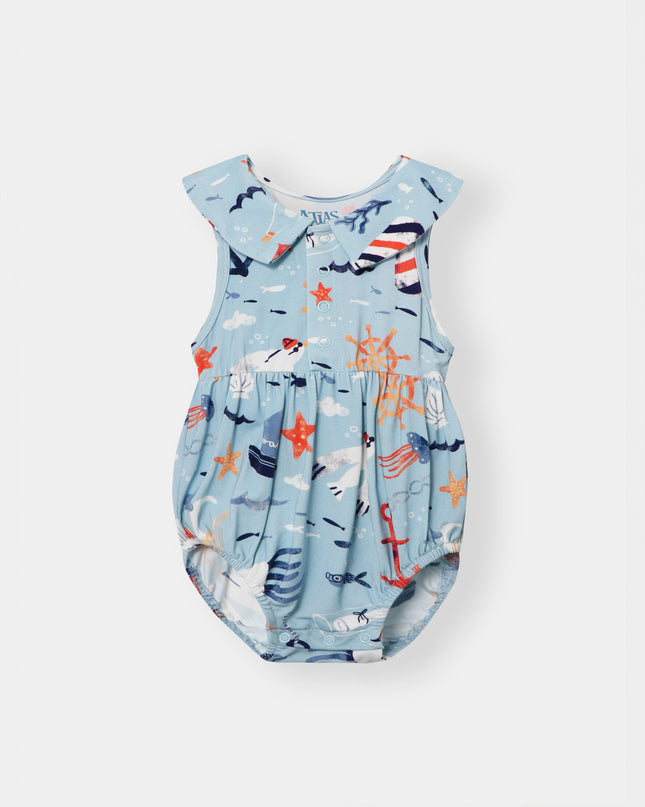
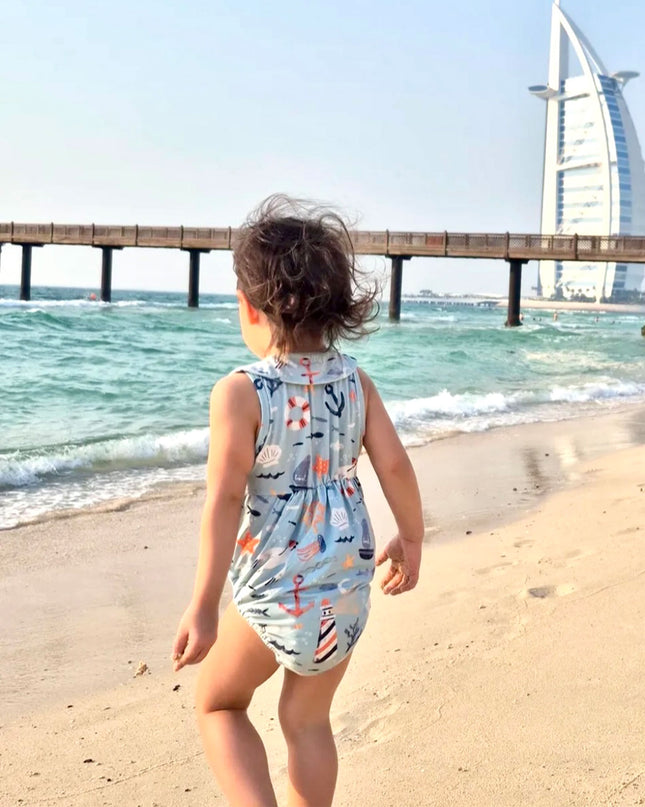
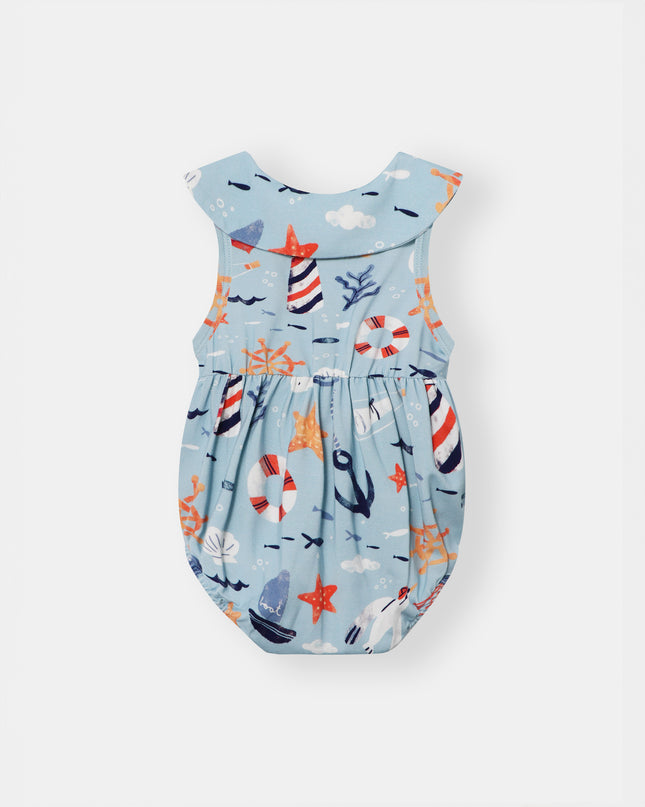
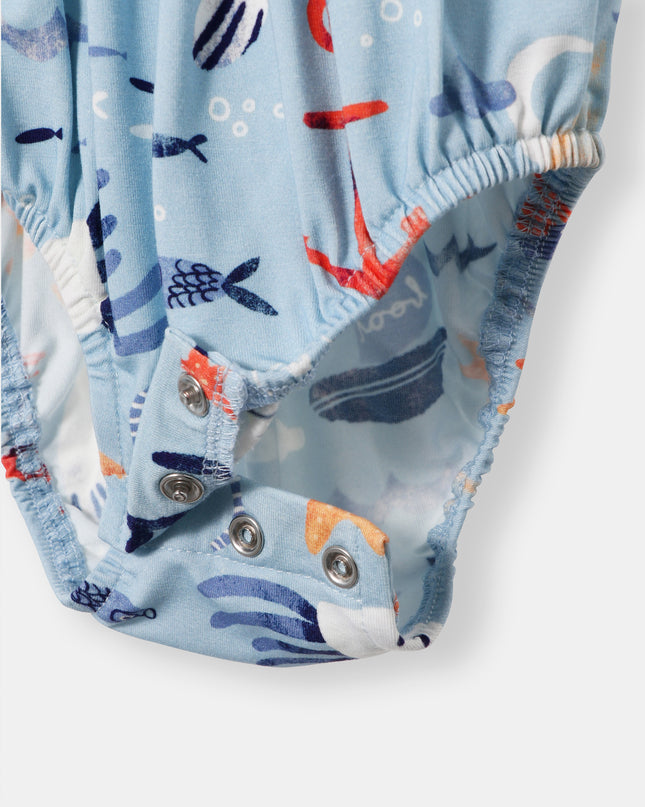
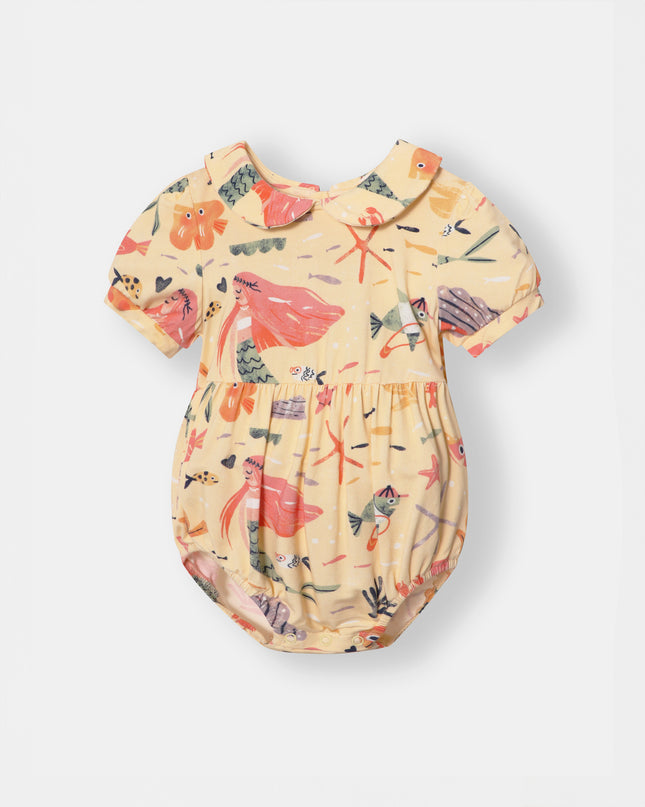
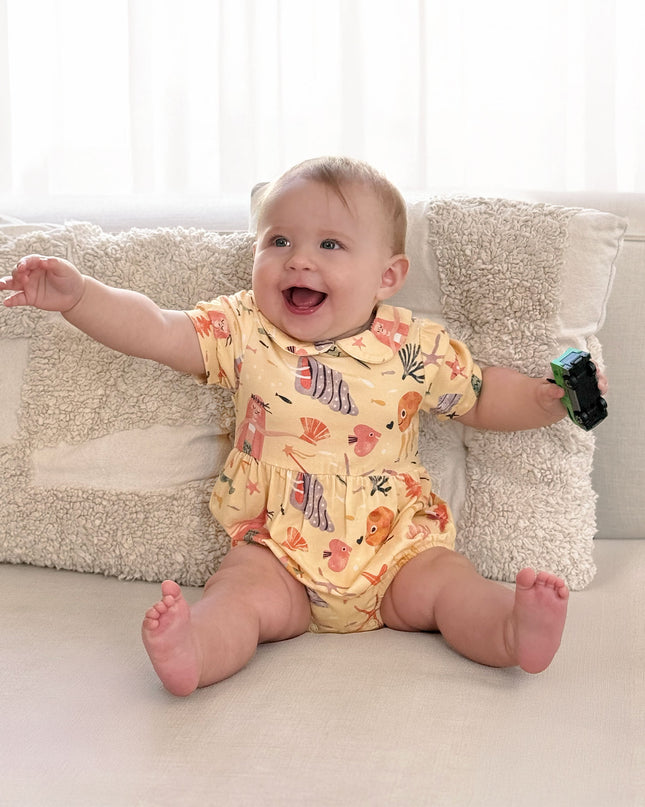
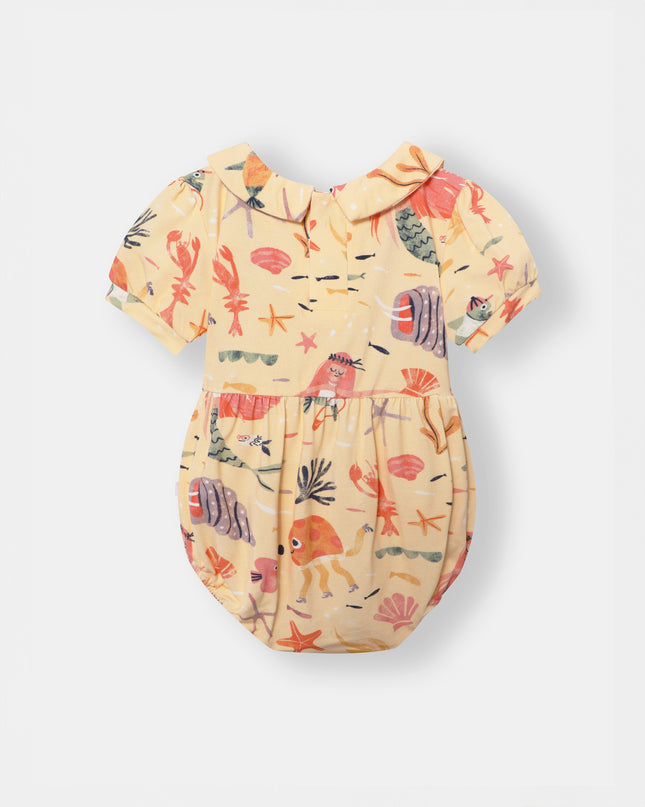
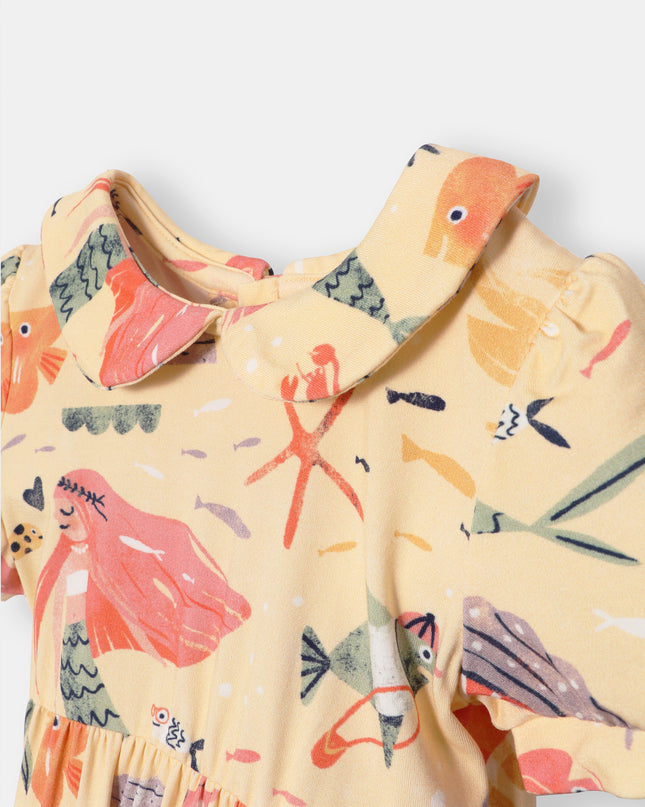
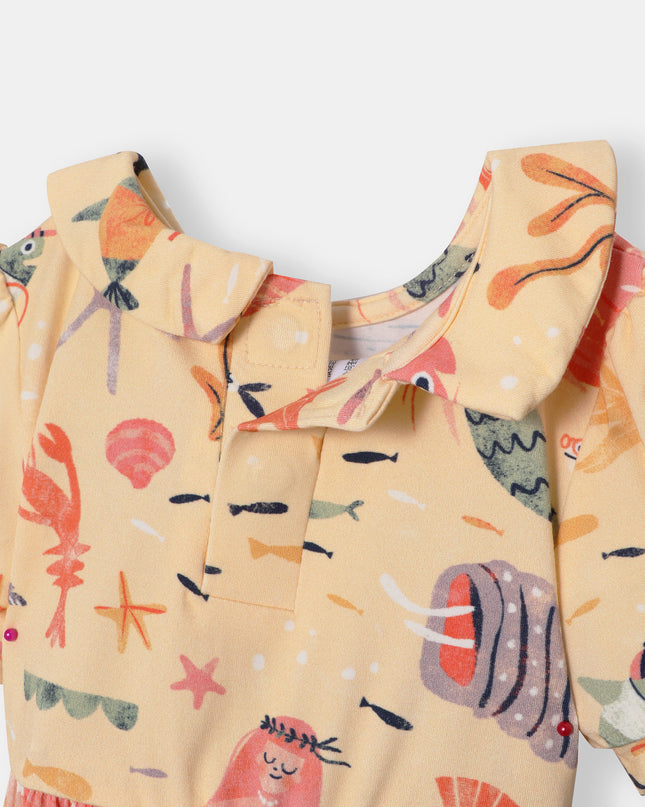
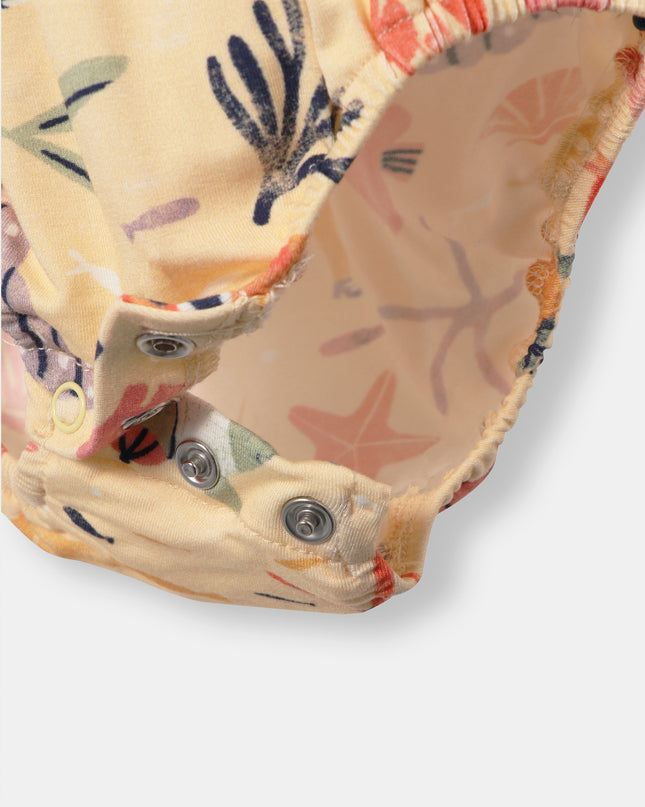
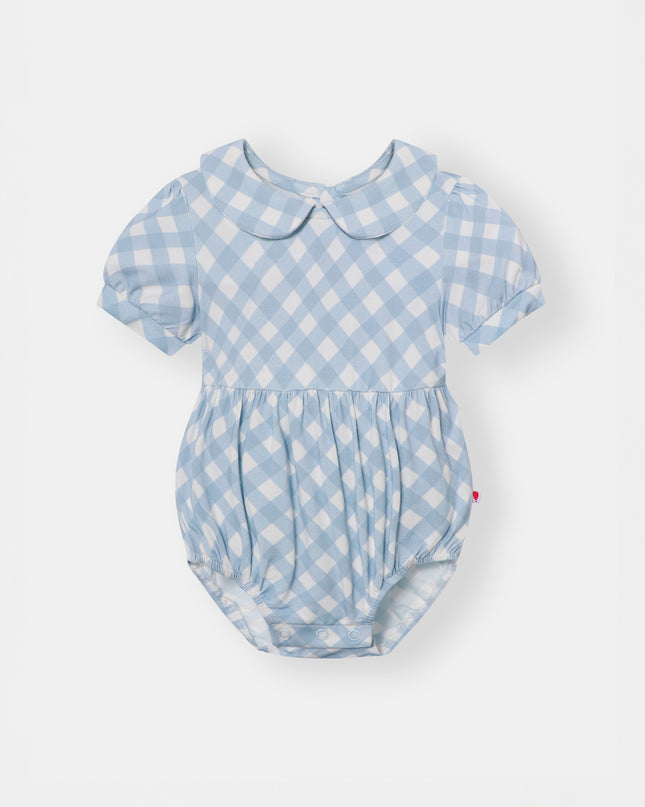
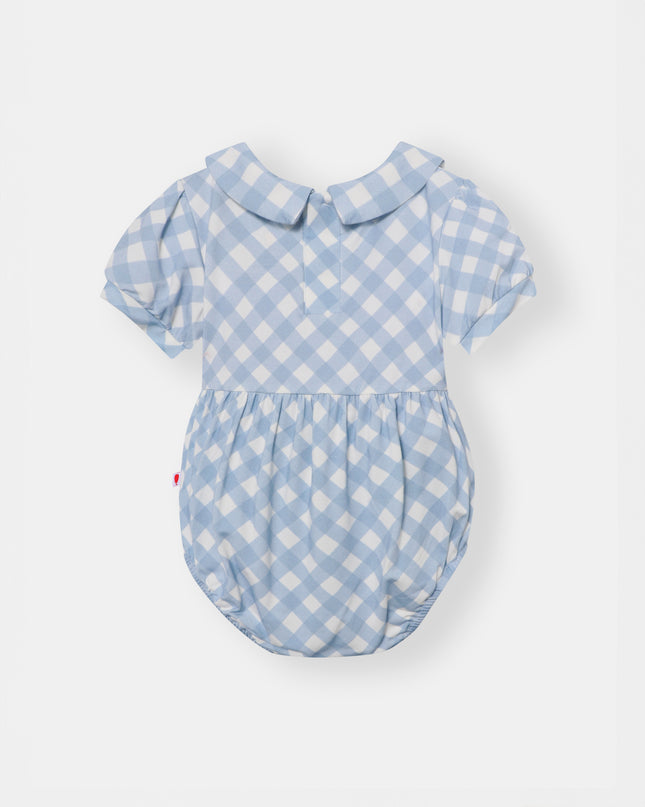
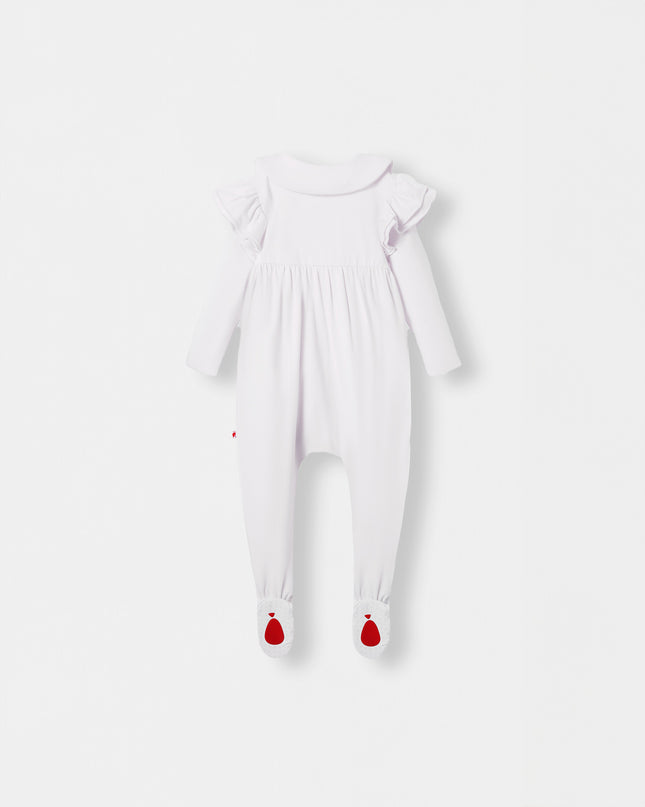
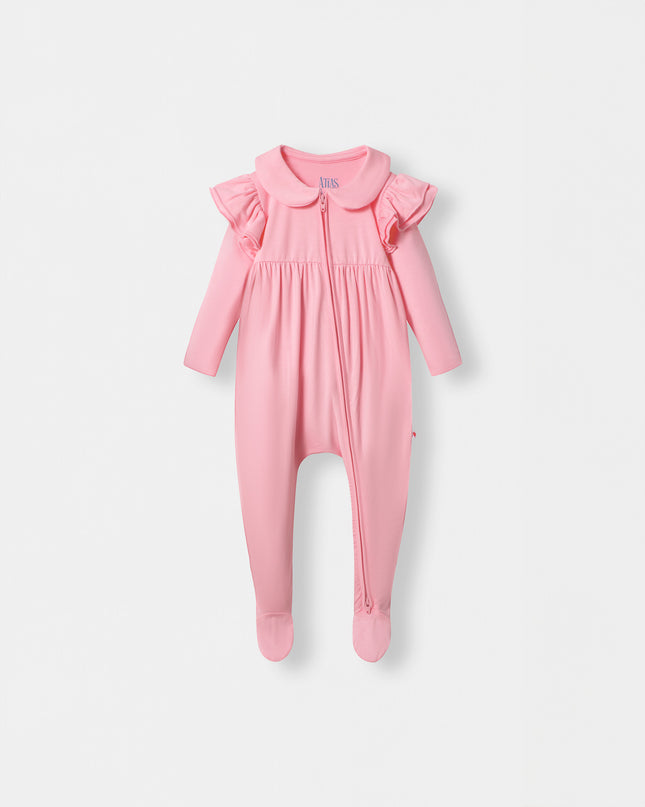
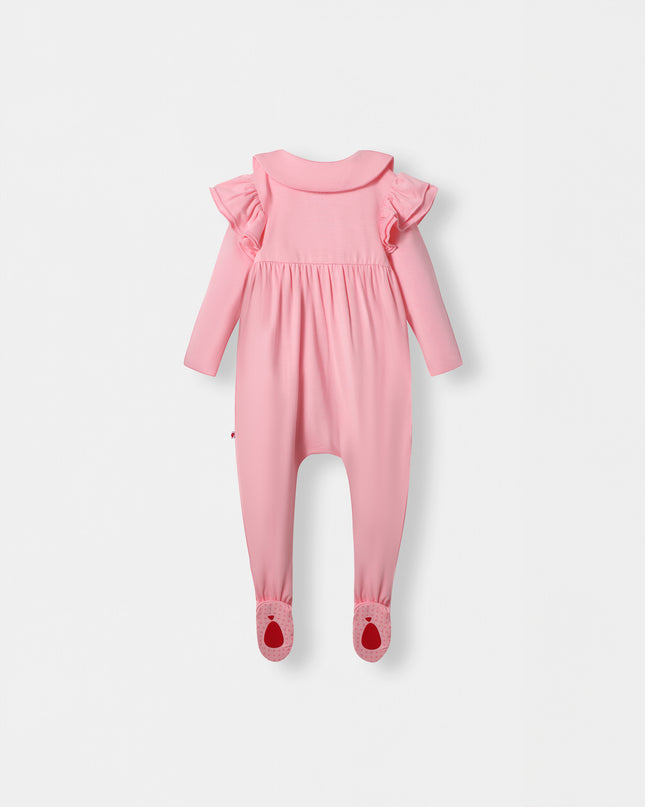
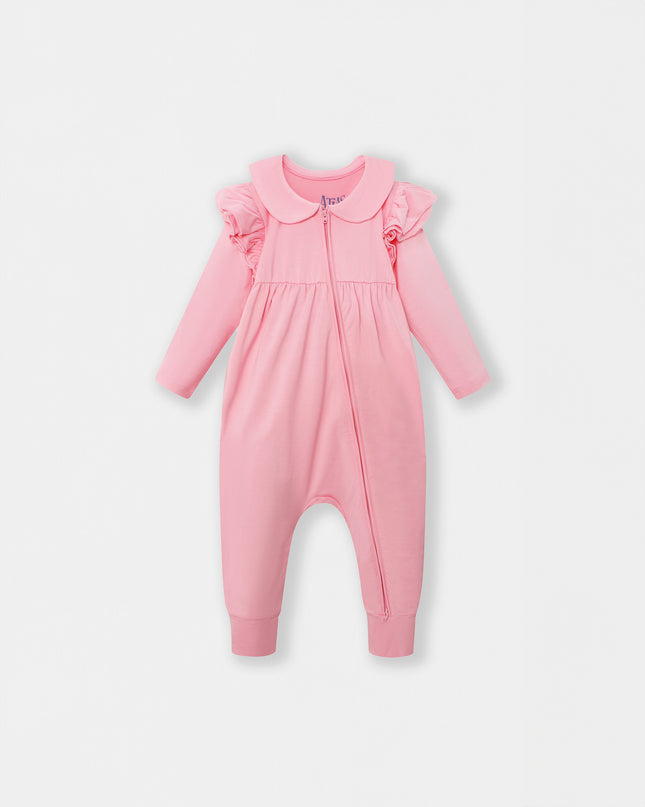
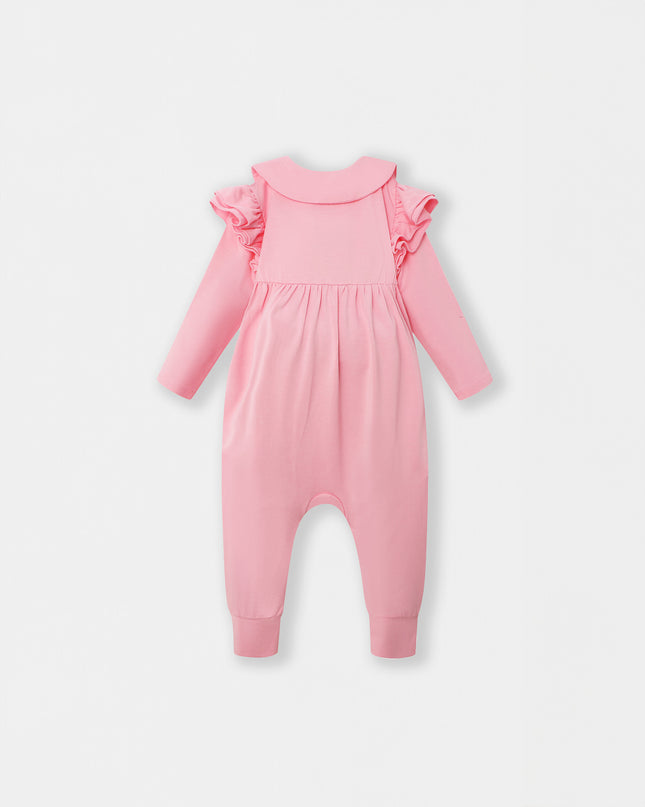
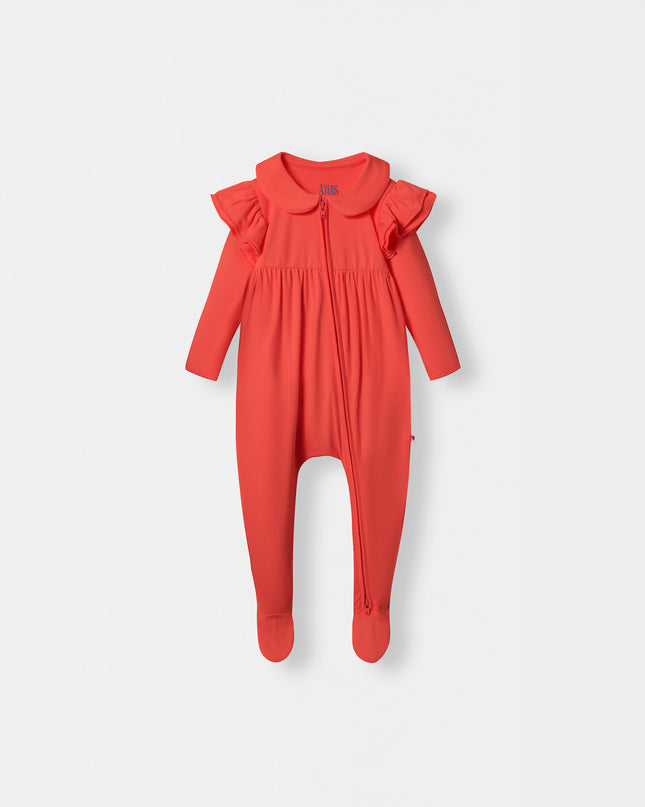
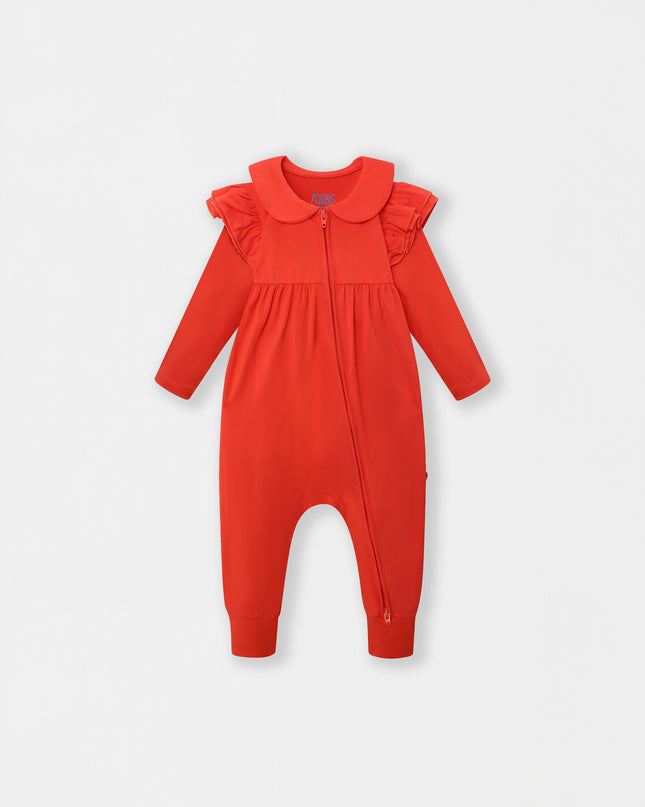
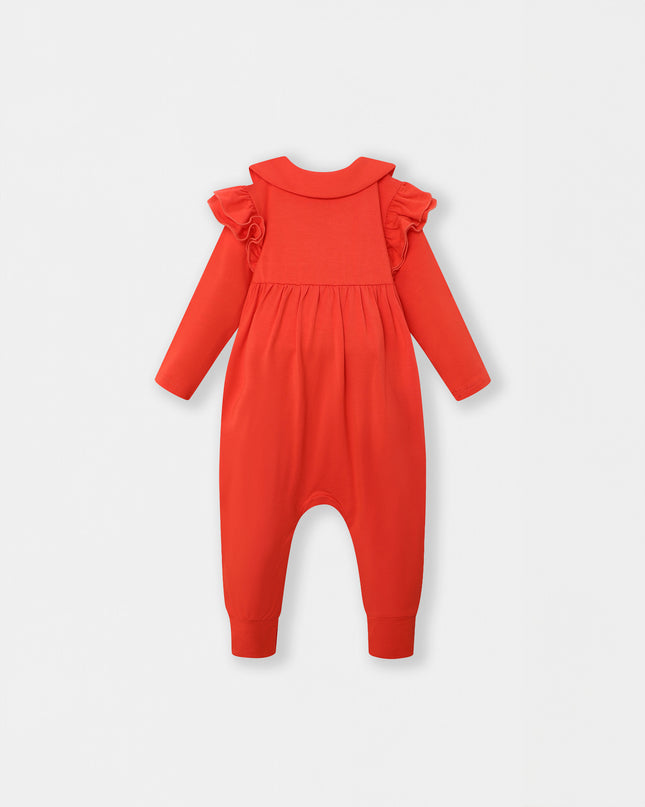
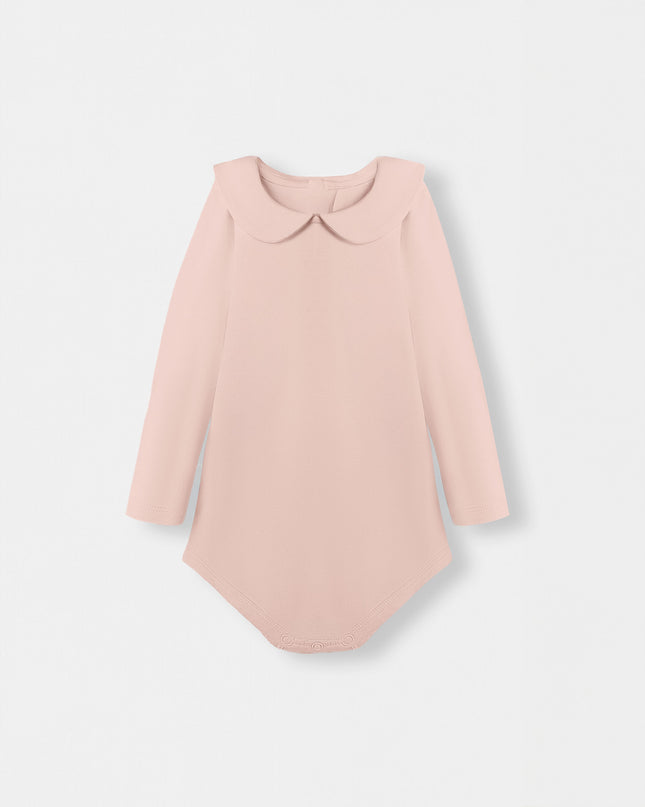
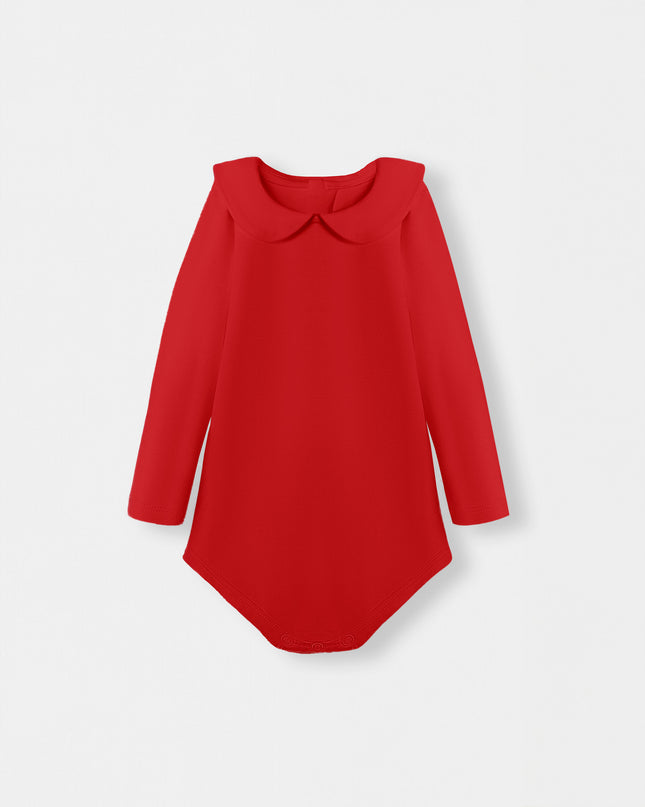
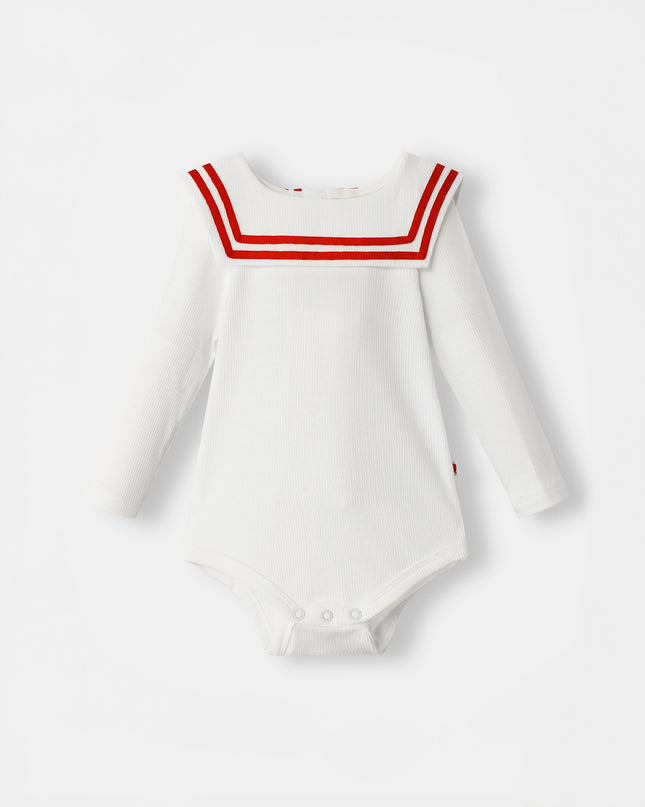
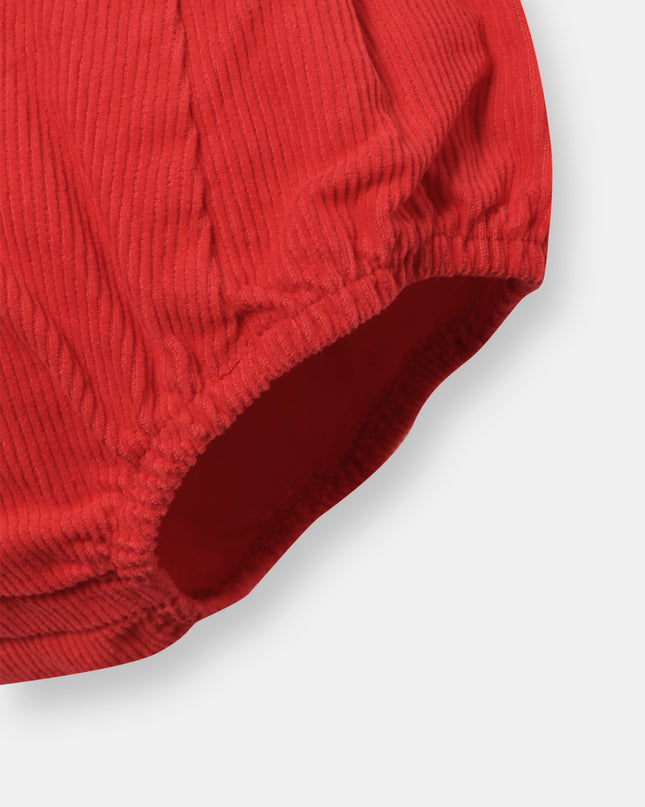
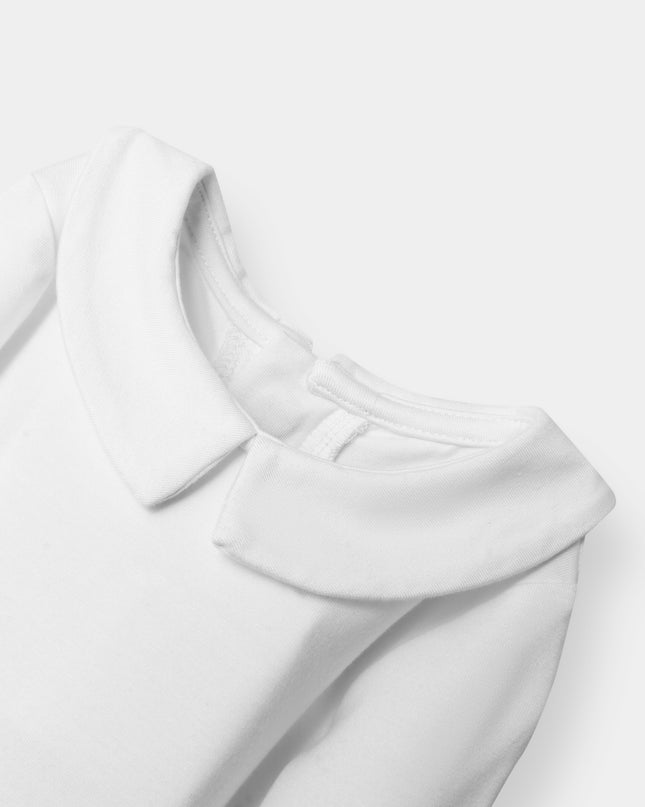
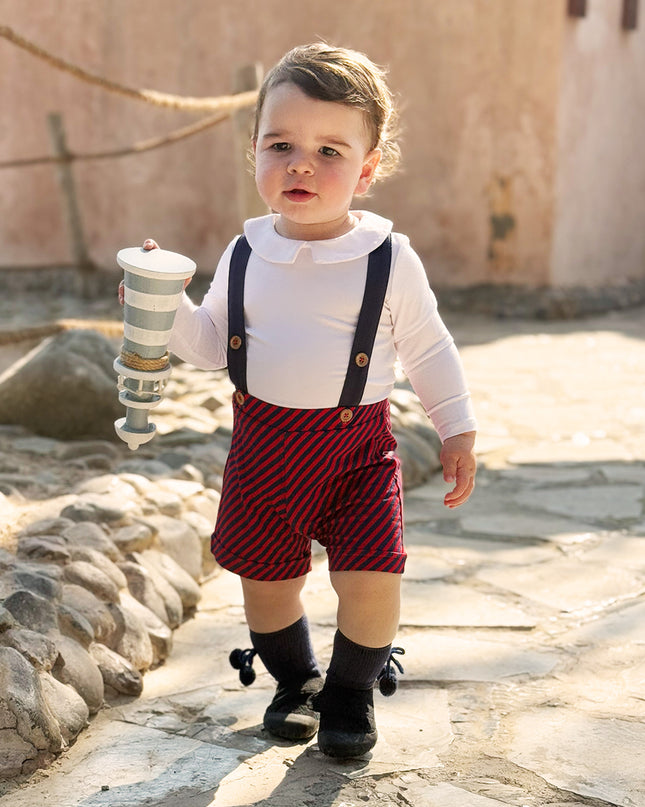
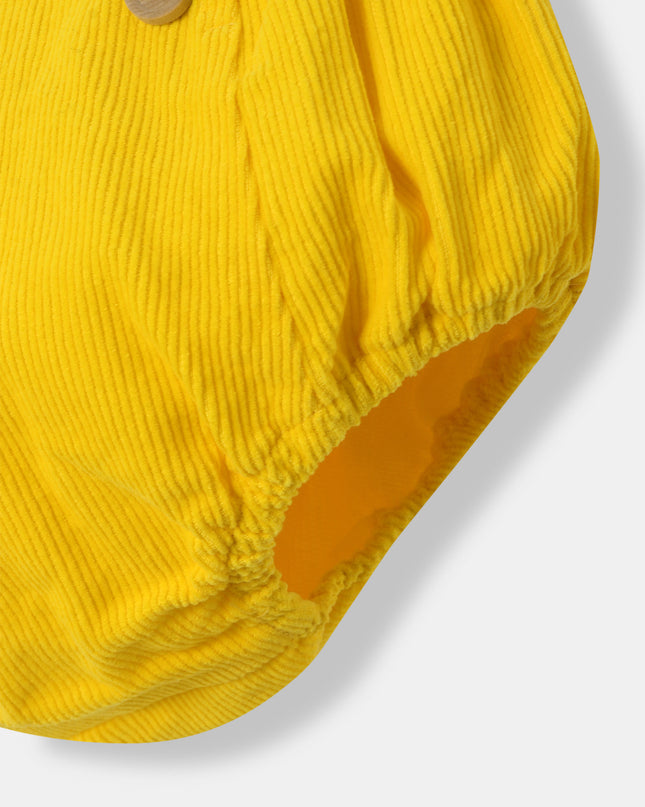
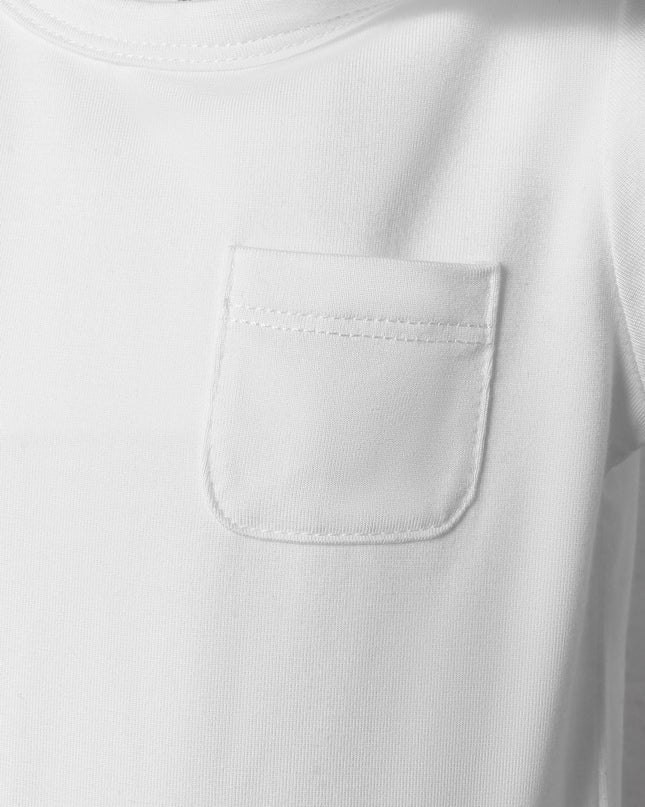
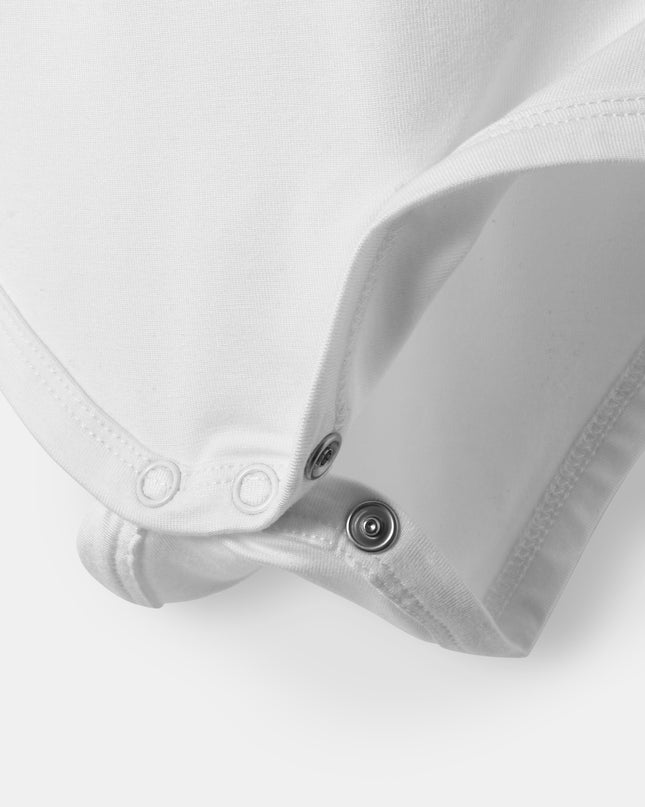
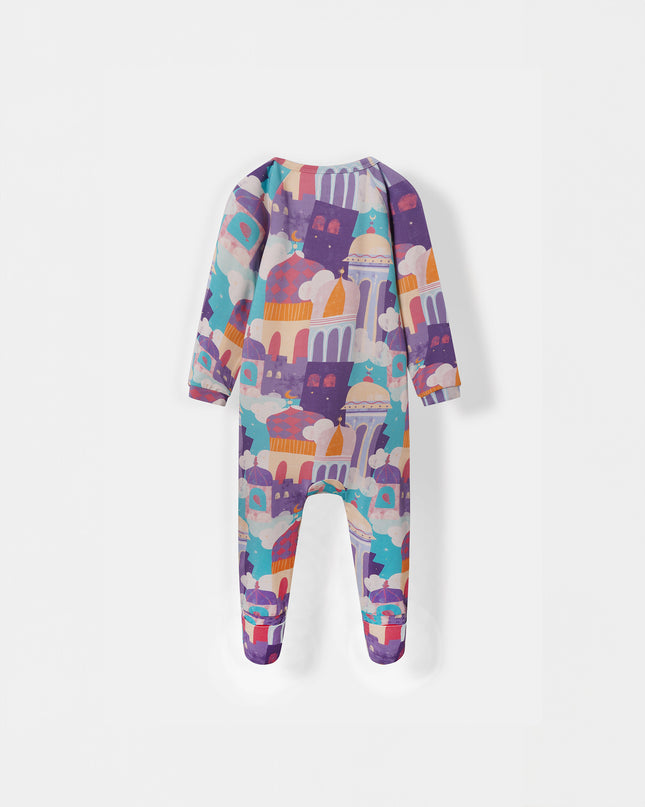
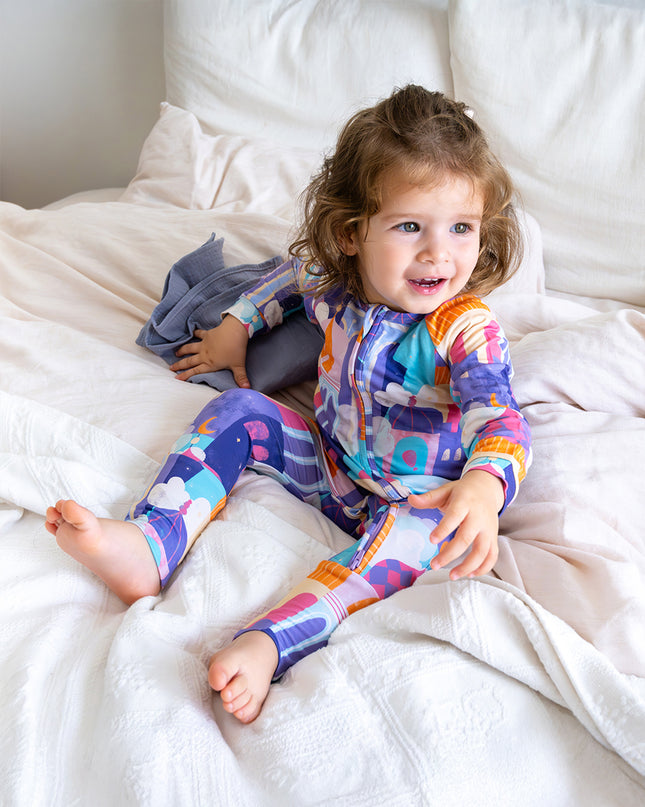
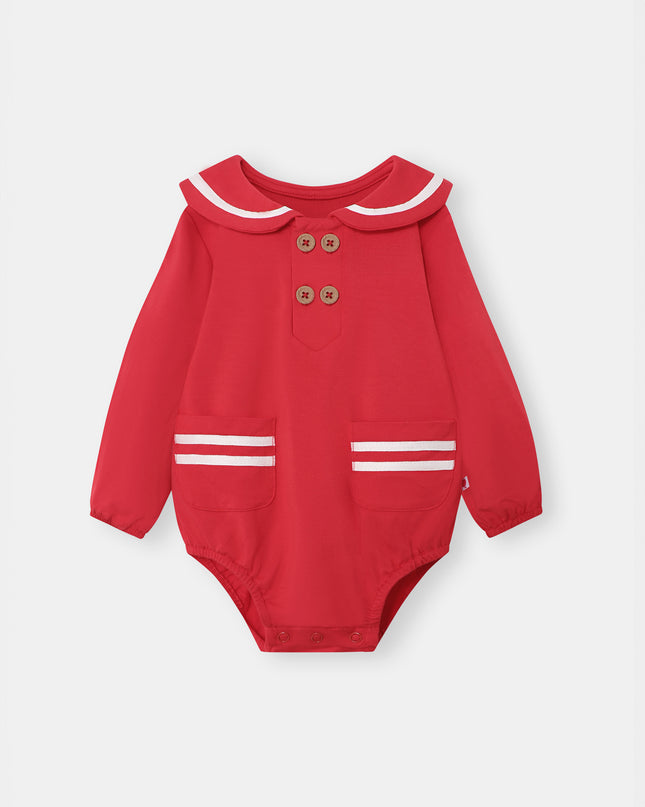
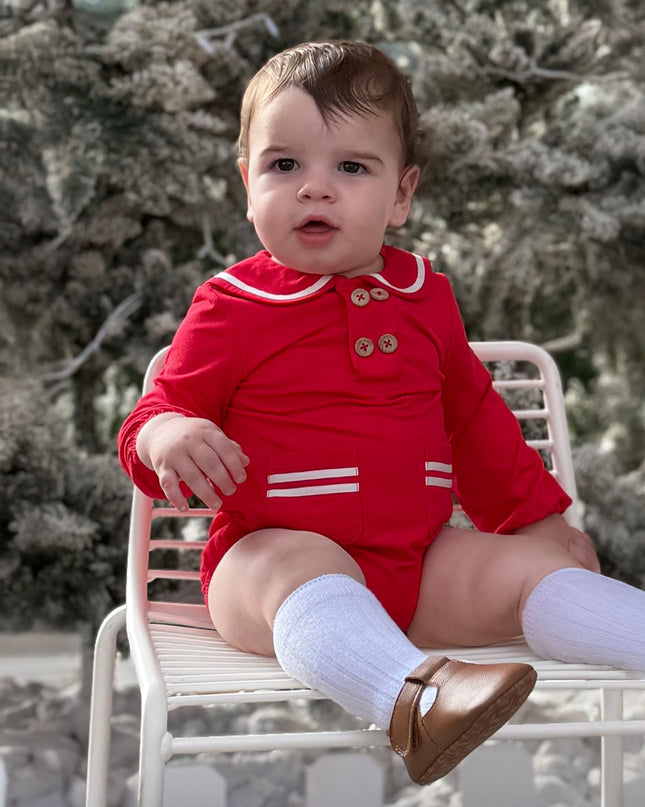
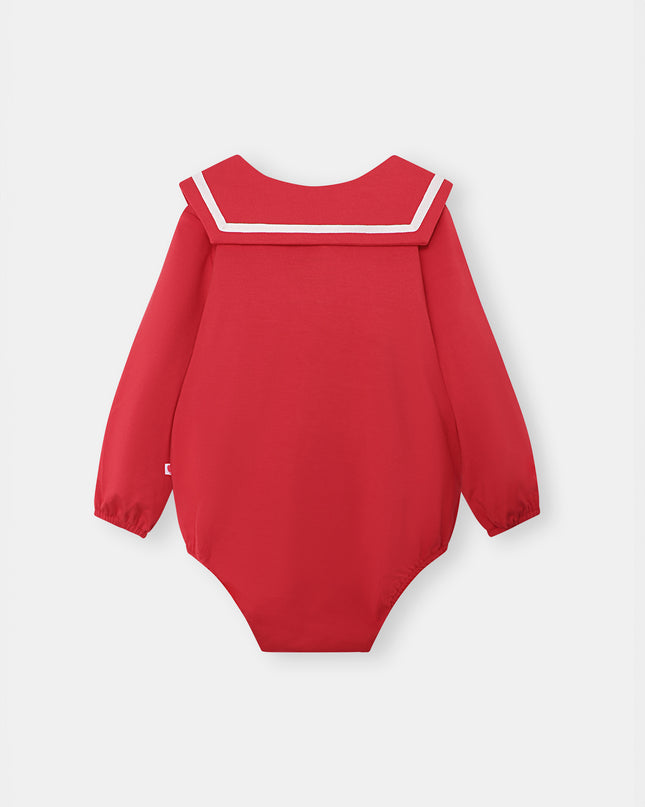
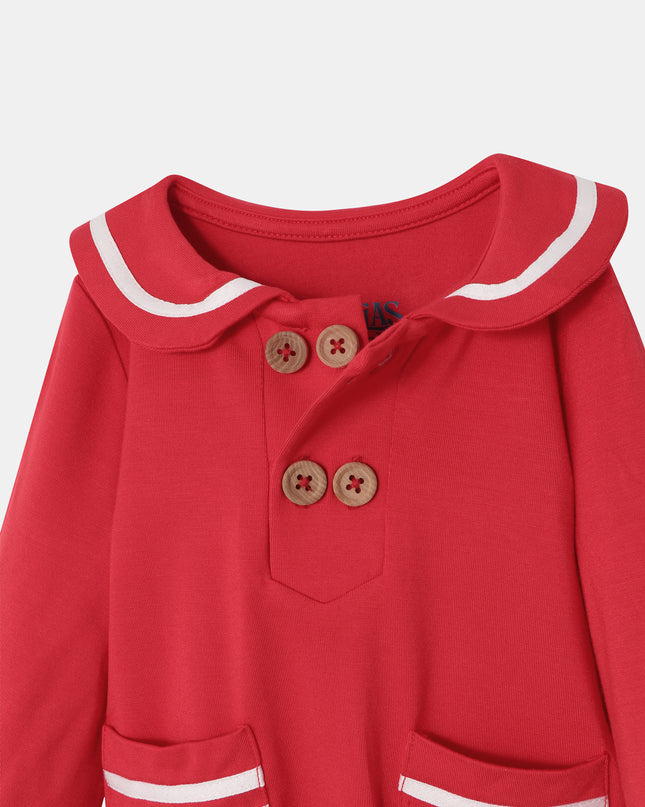
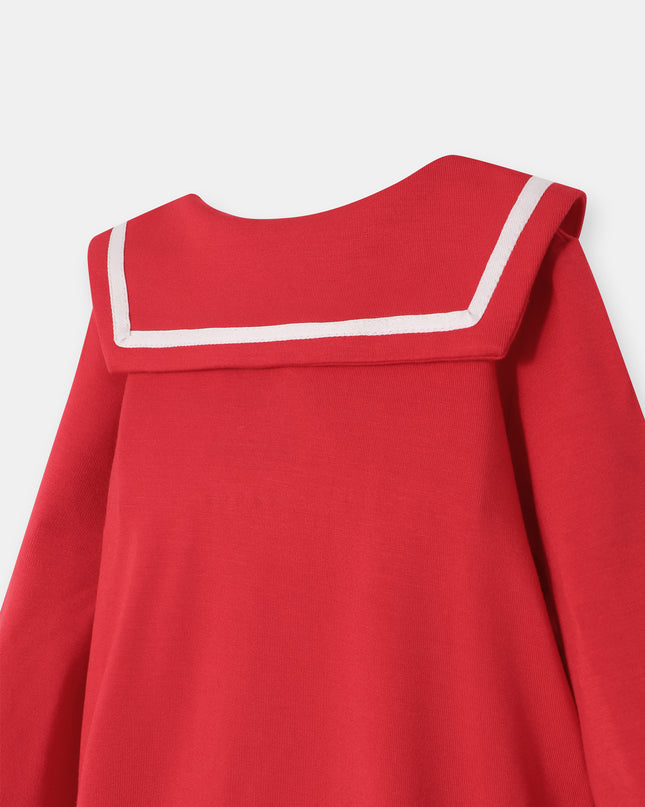
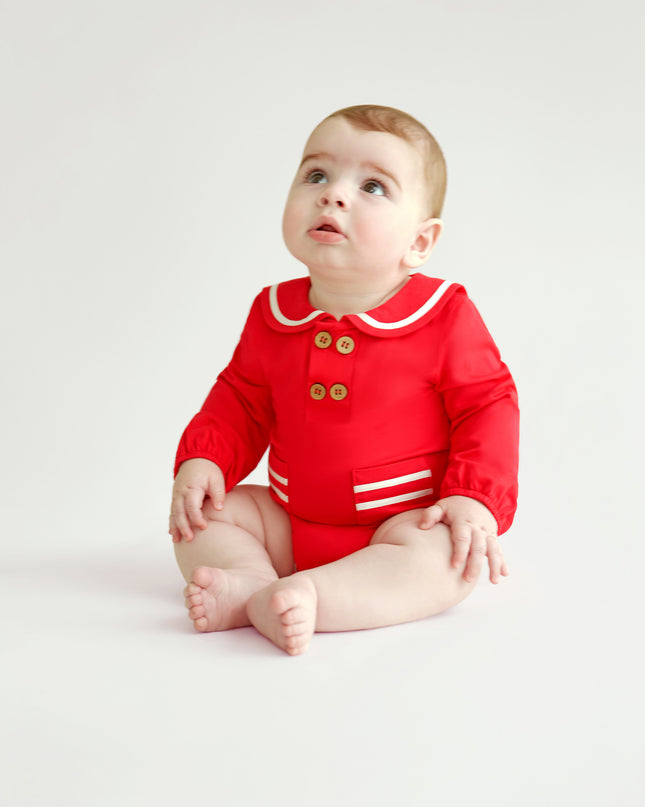
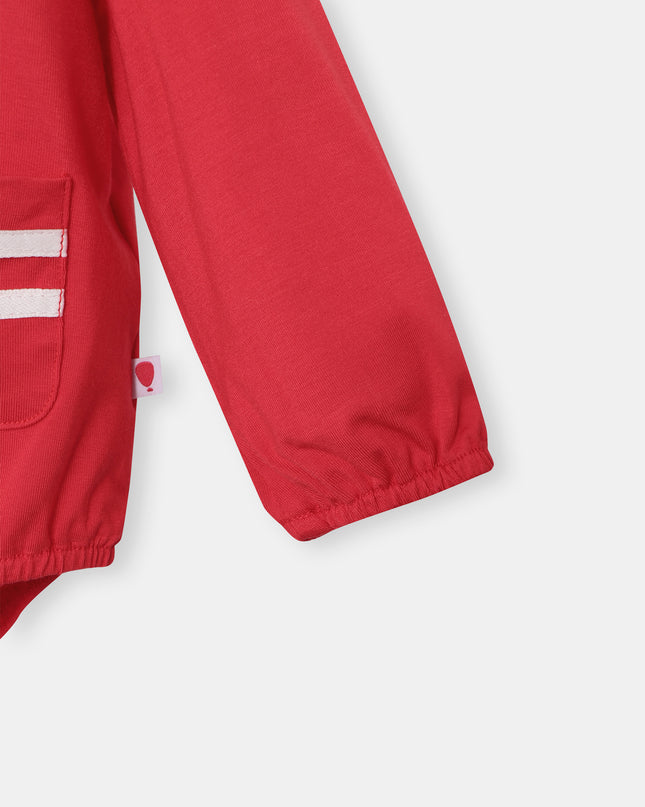
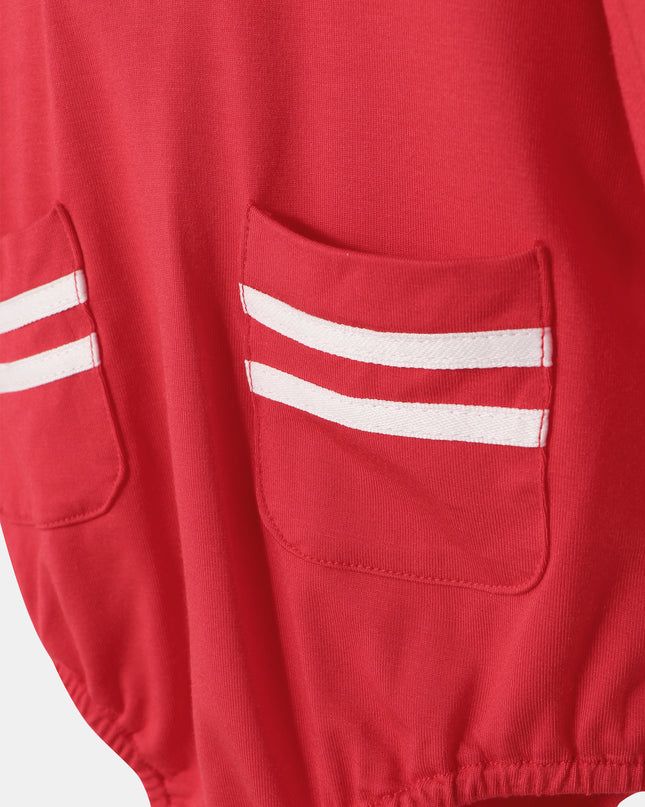
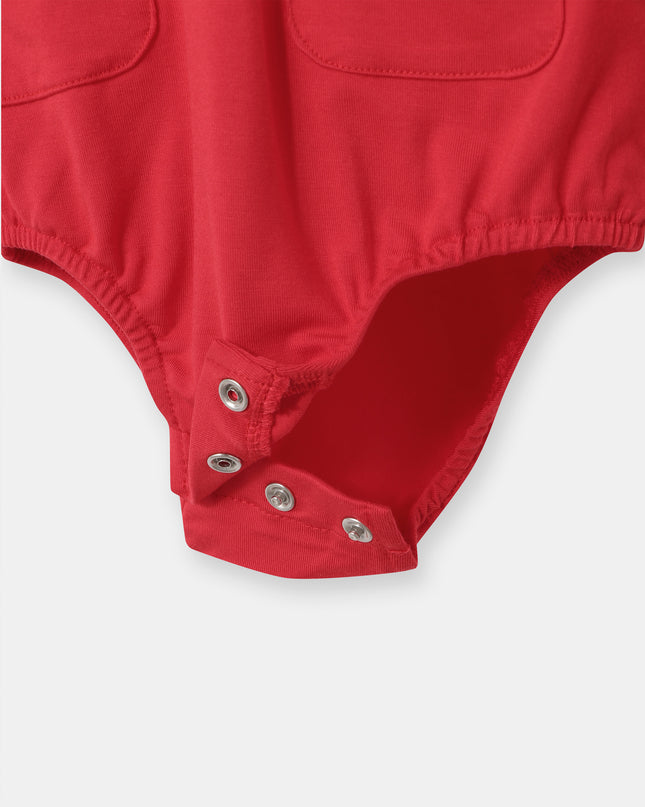
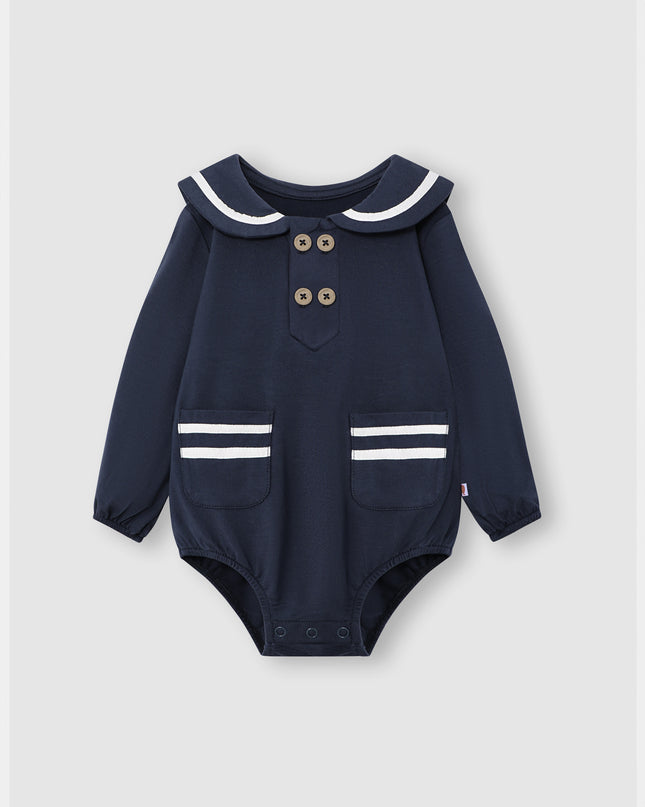
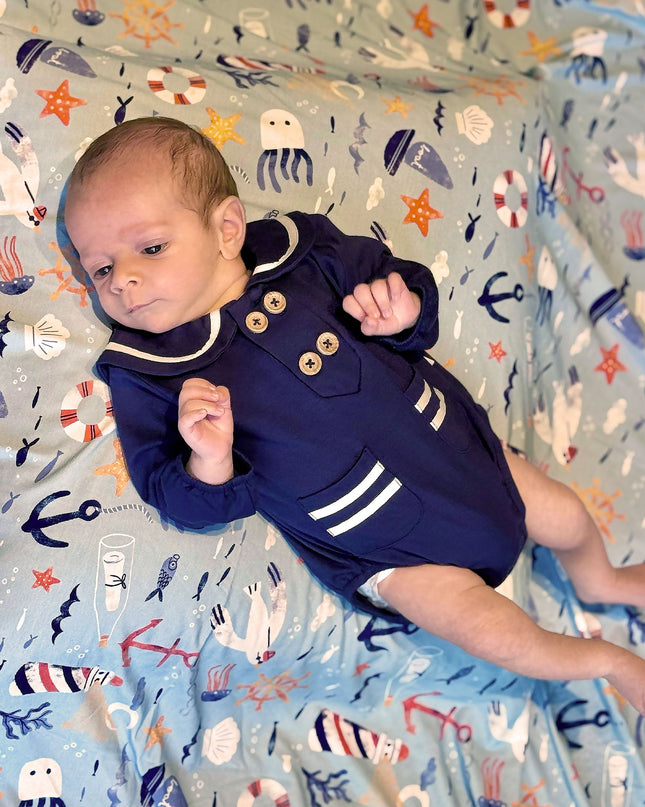
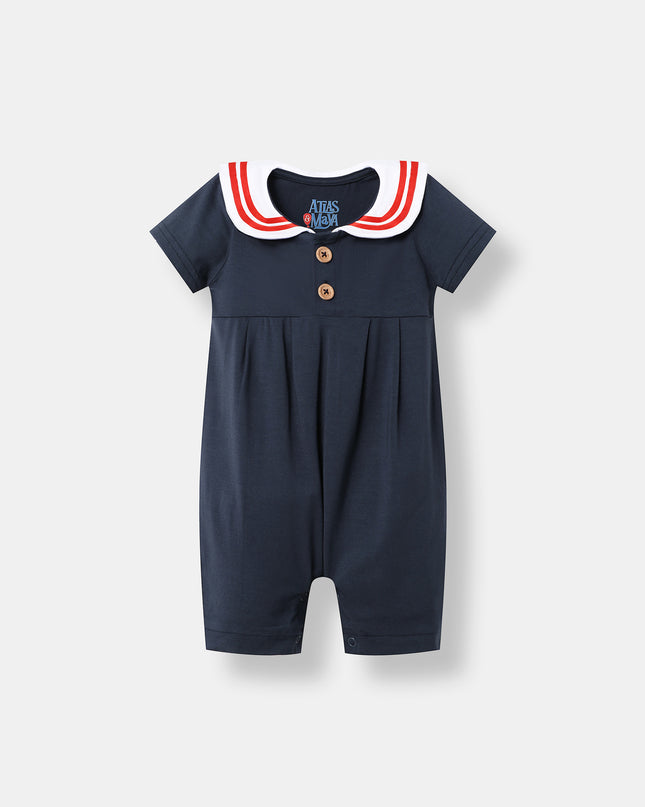
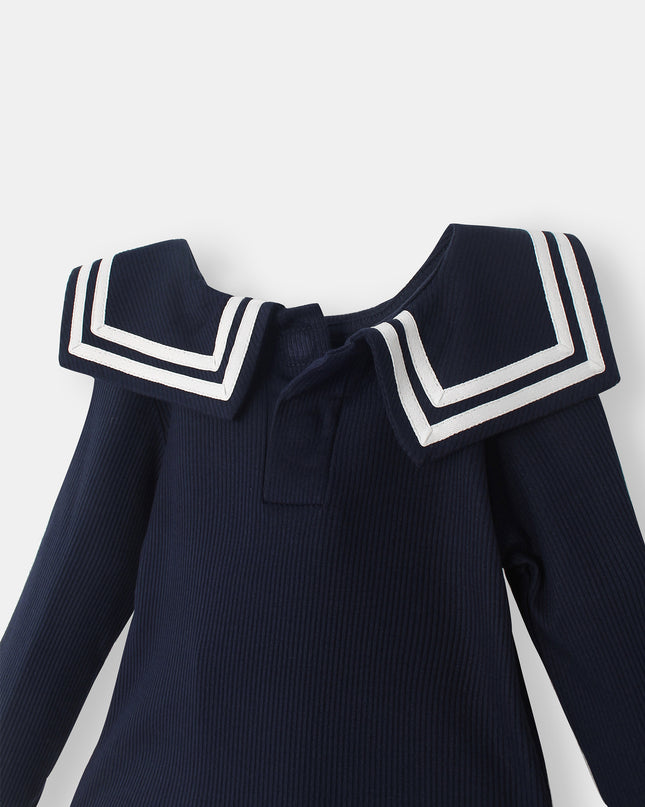
I kept things for best and I regret it. A dress that was too nice for a Tuesday, so it waited for an occasion that came around twice before she was out of the size. A romper I did not want ruined, worn maybe four times.
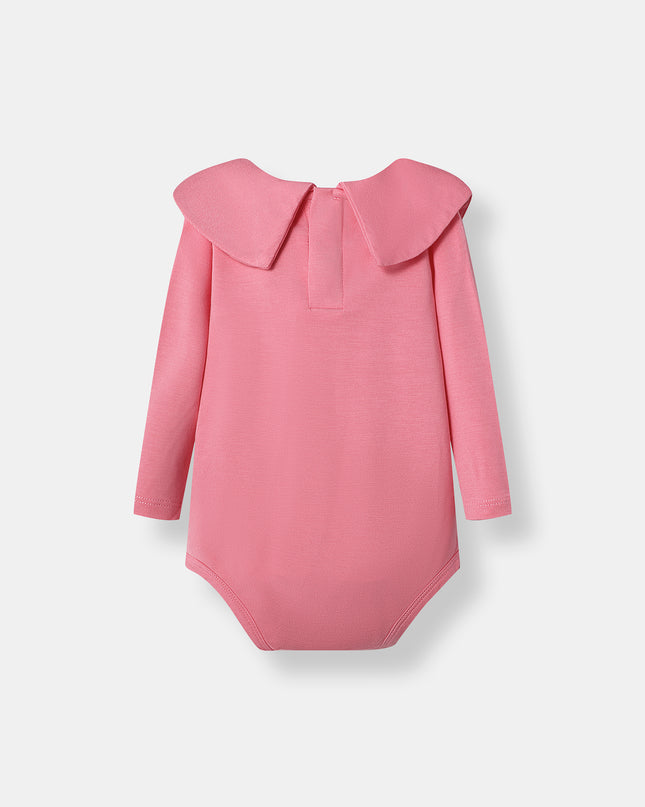
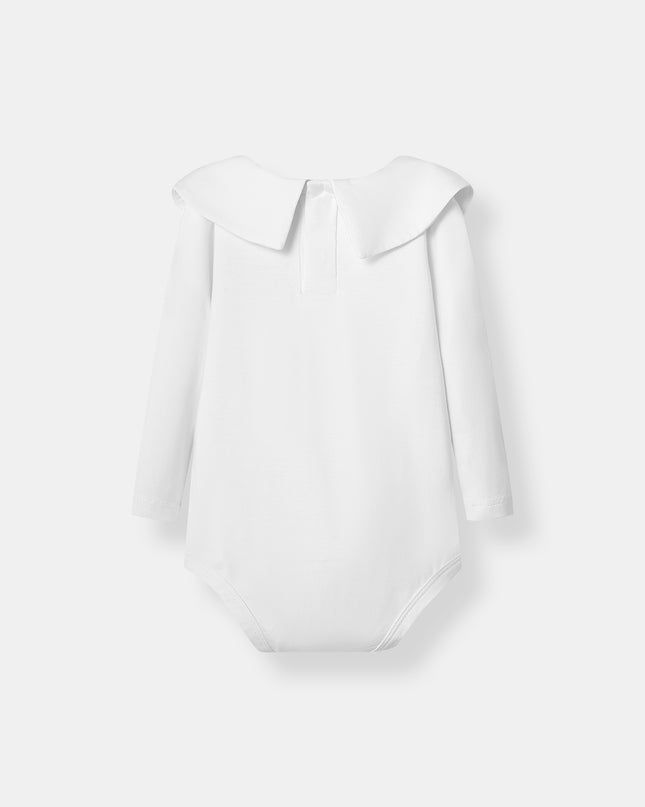
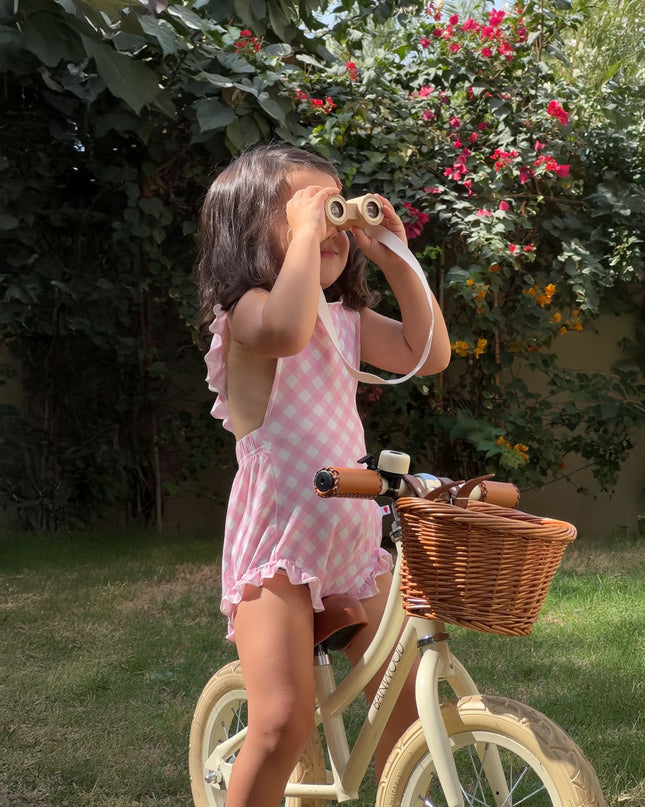
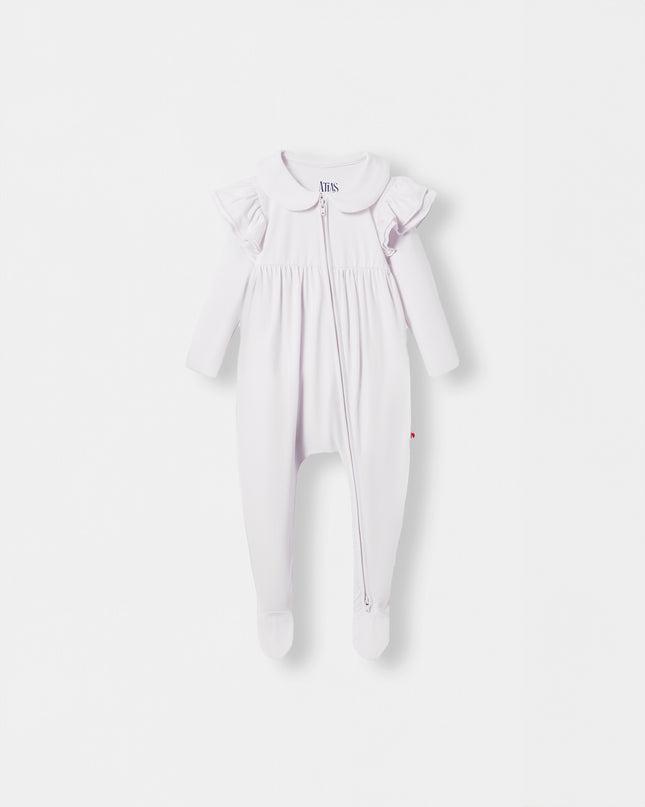
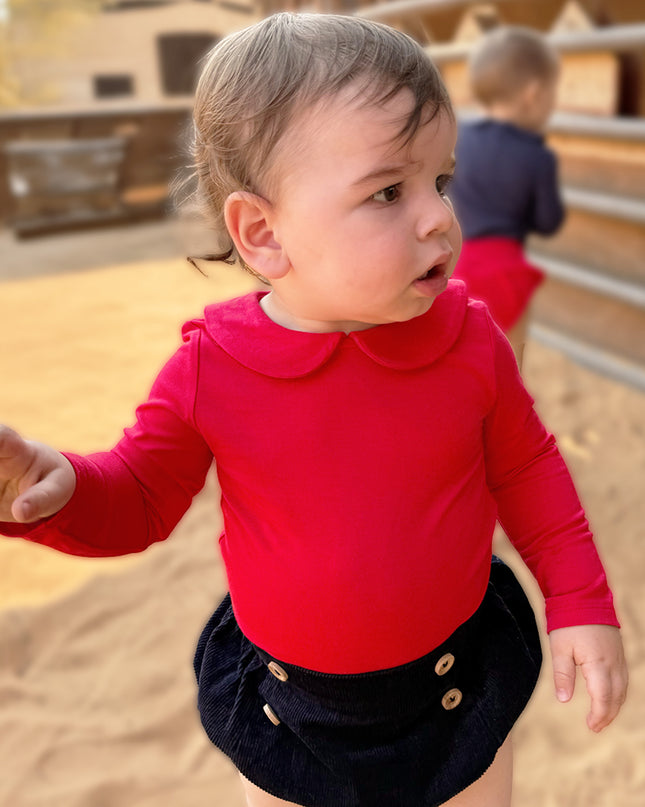
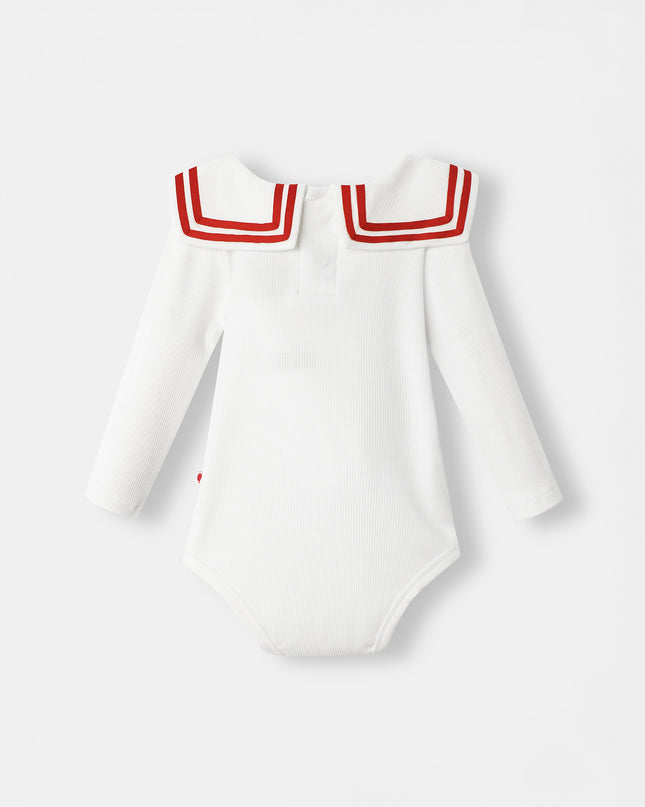
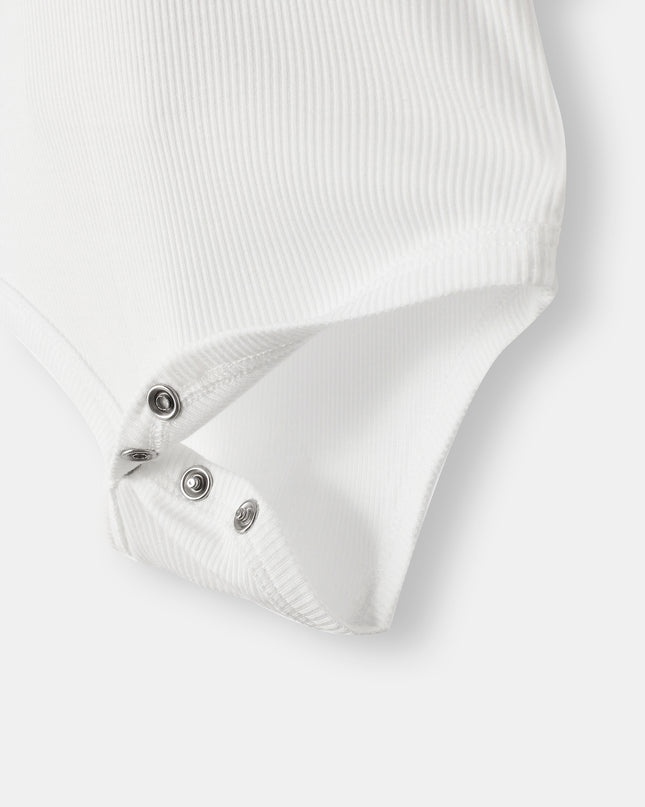
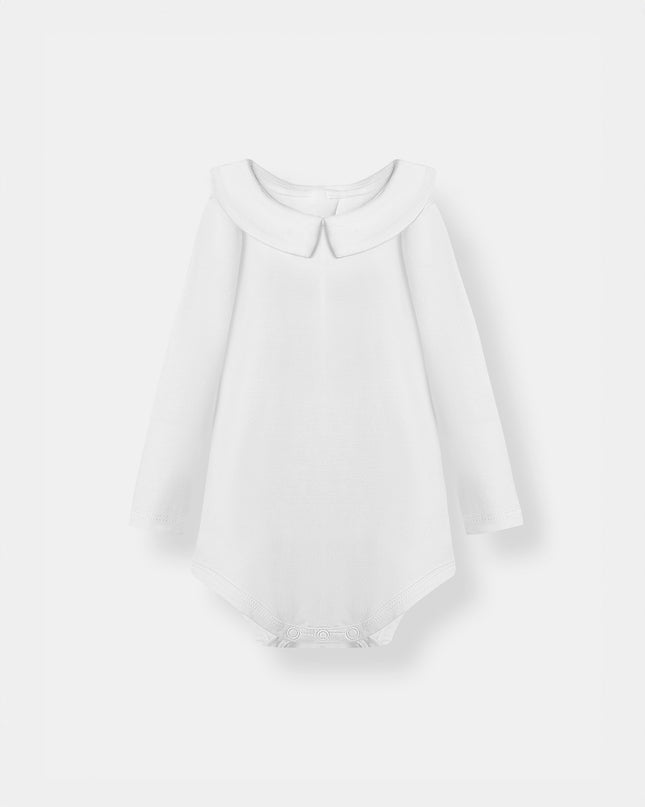
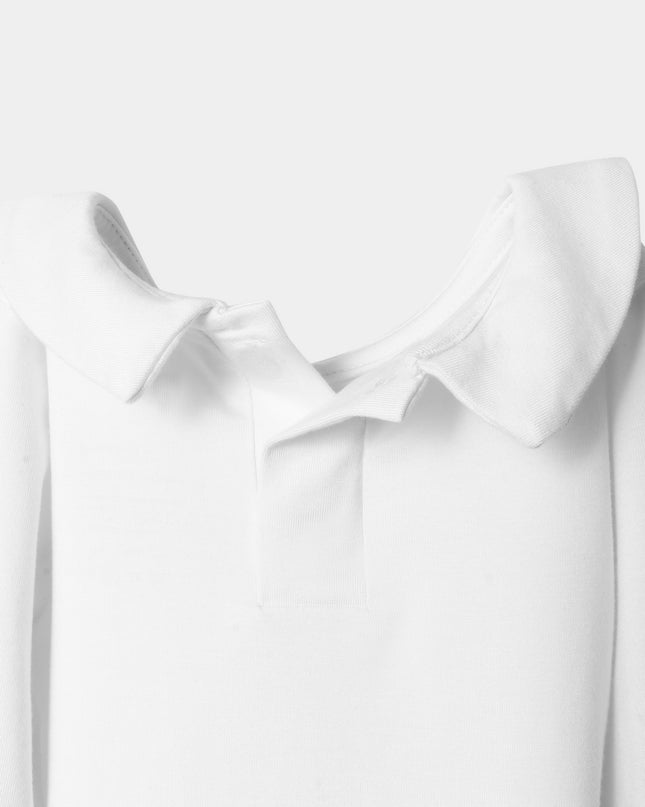
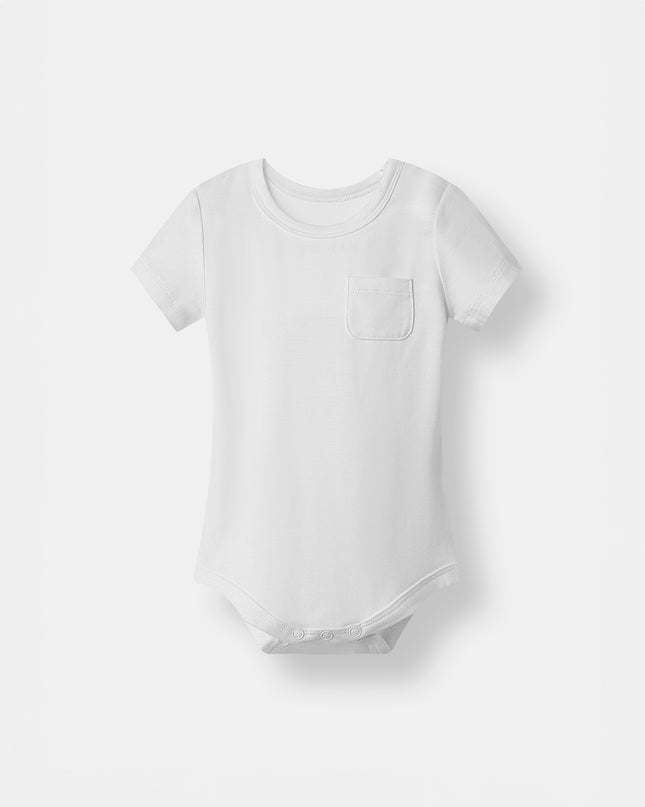
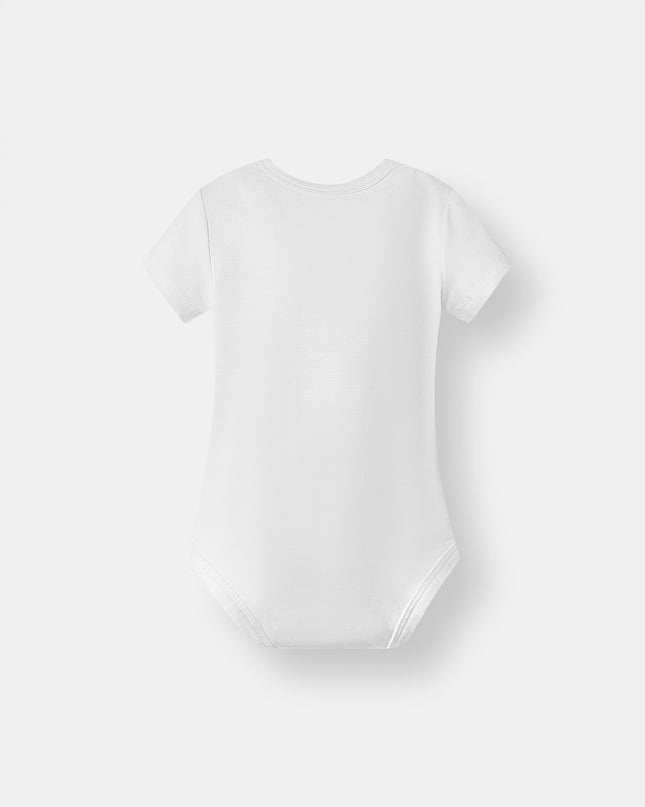
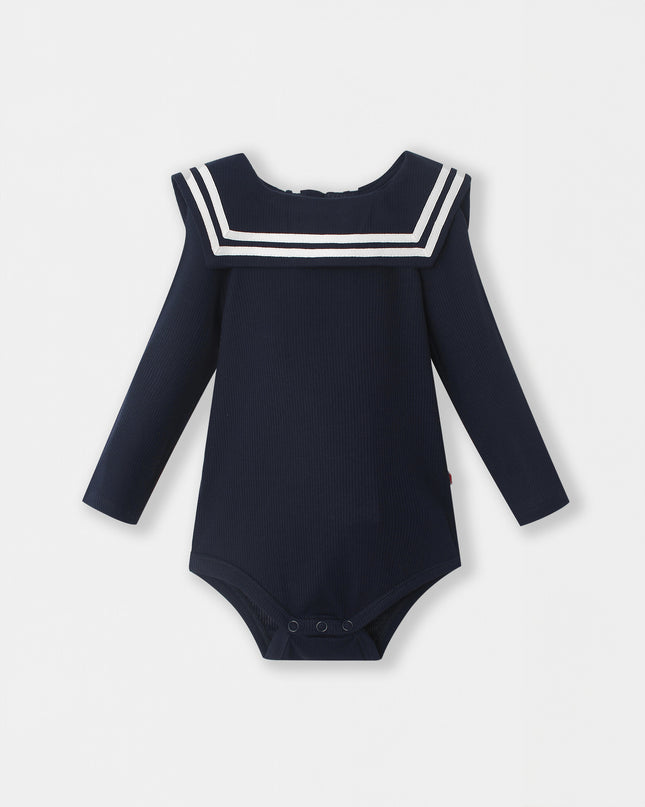
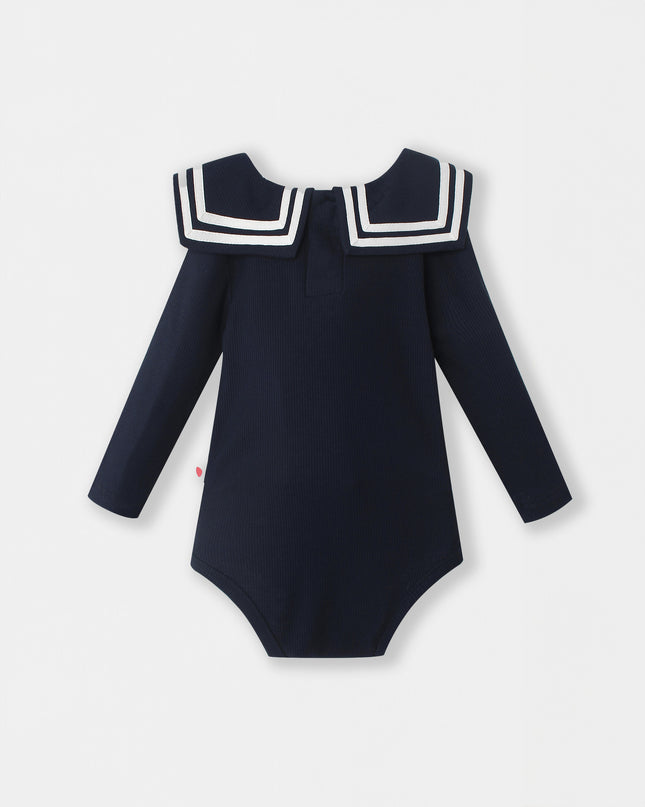
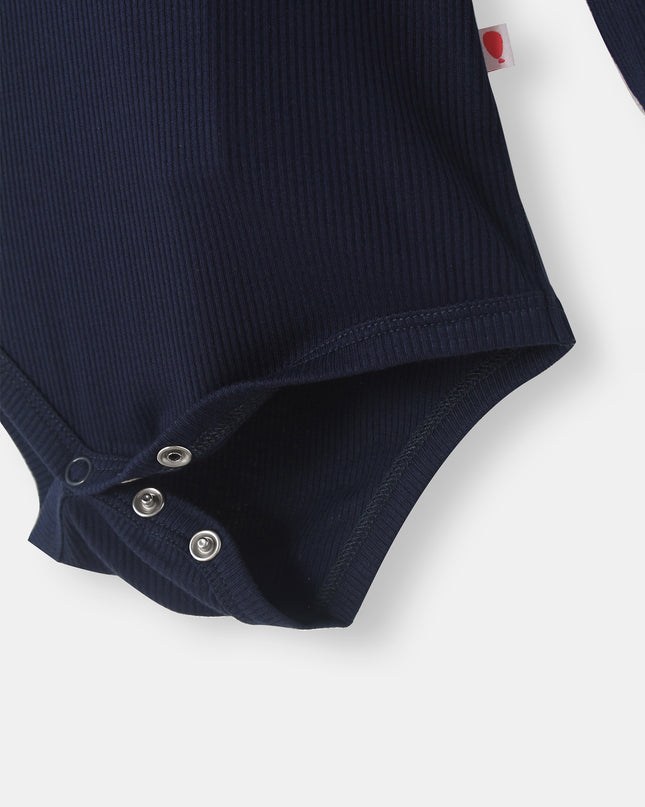
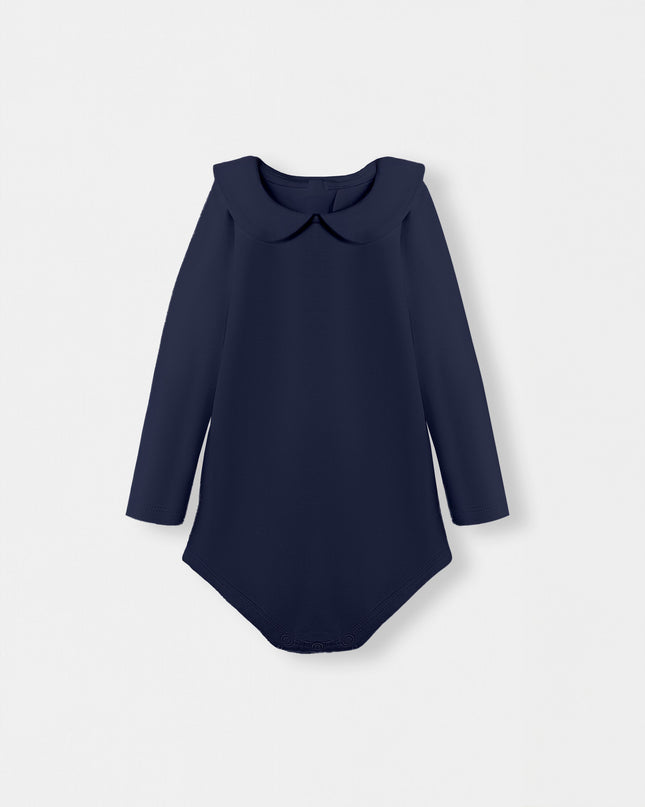
Meanwhile the plain bodysuits and the everyday skirts went through the wash three hundred times and are the ones in every photograph I actually have of her at that age.
The maths of a girls wardrobe from newborn to ten is unforgiving. She is in each baby size for something like three months.
Ten years sounds long and it is really a series of very short stays, and anything held back for the right moment is being held back from most of its life. So buy fewer things and wear them out. That is also the more sustainable way to do it, whatever the label says.
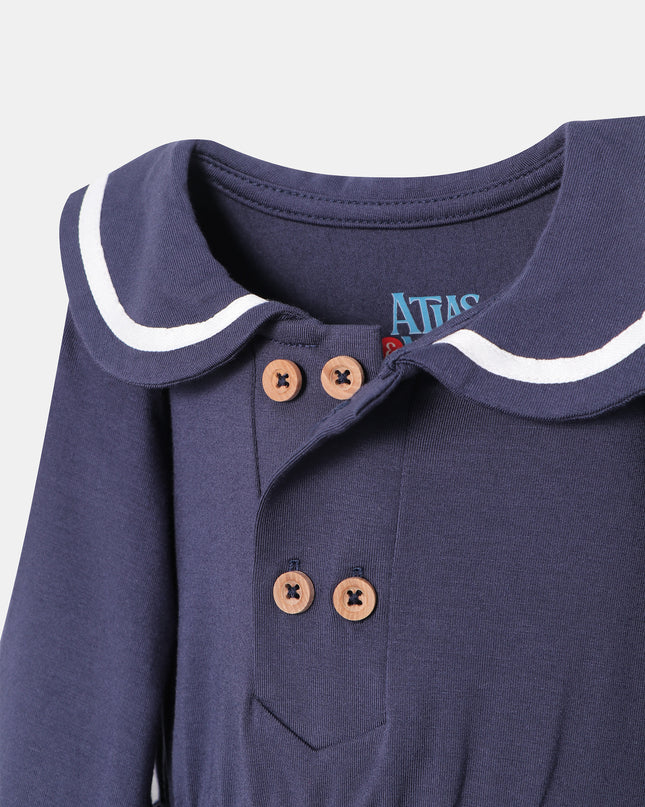
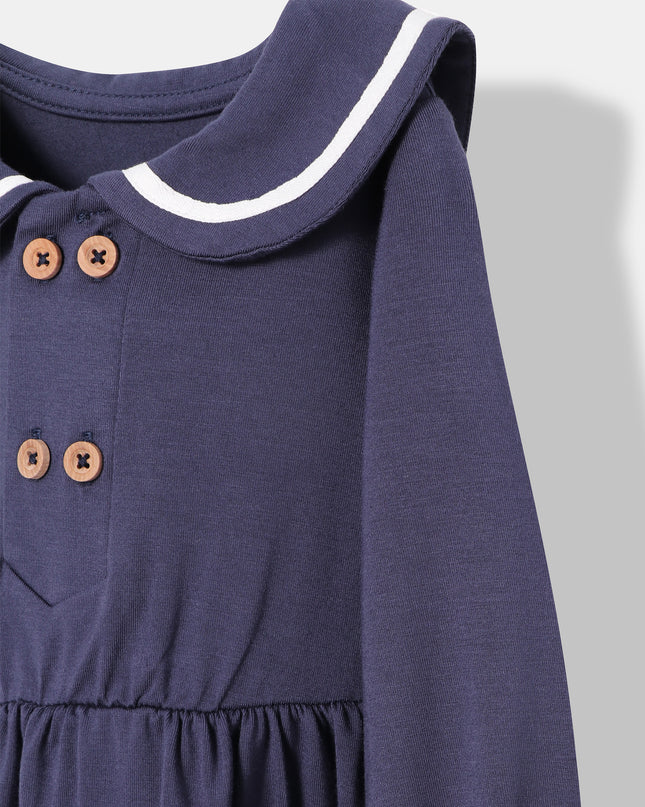
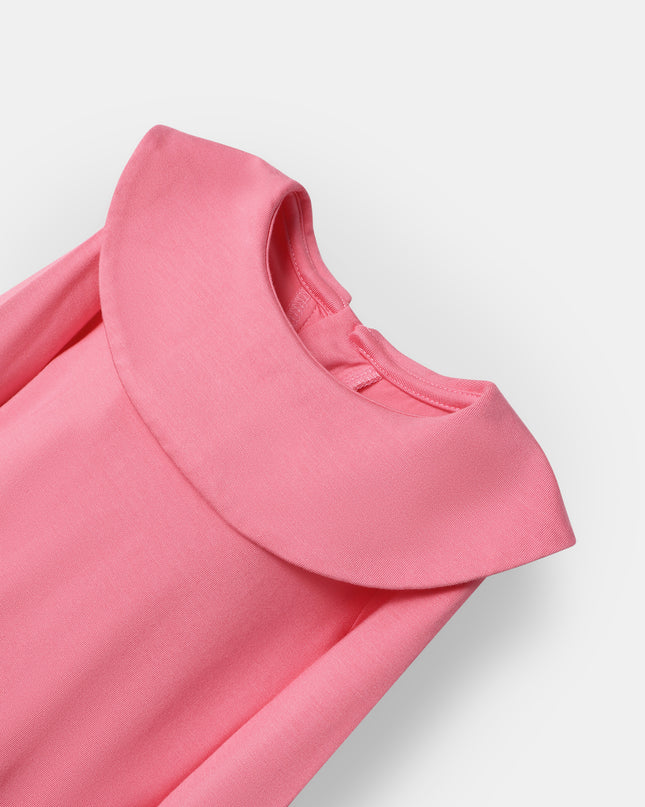
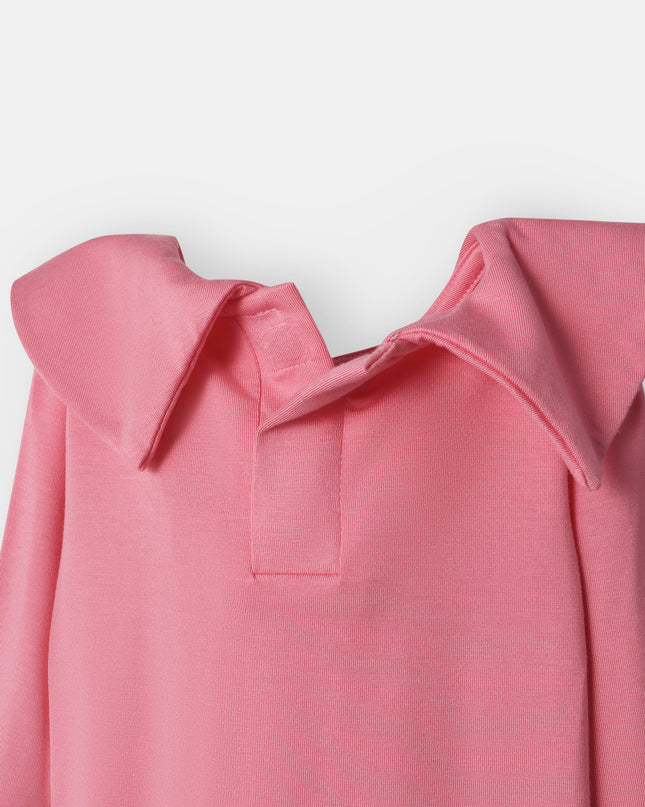
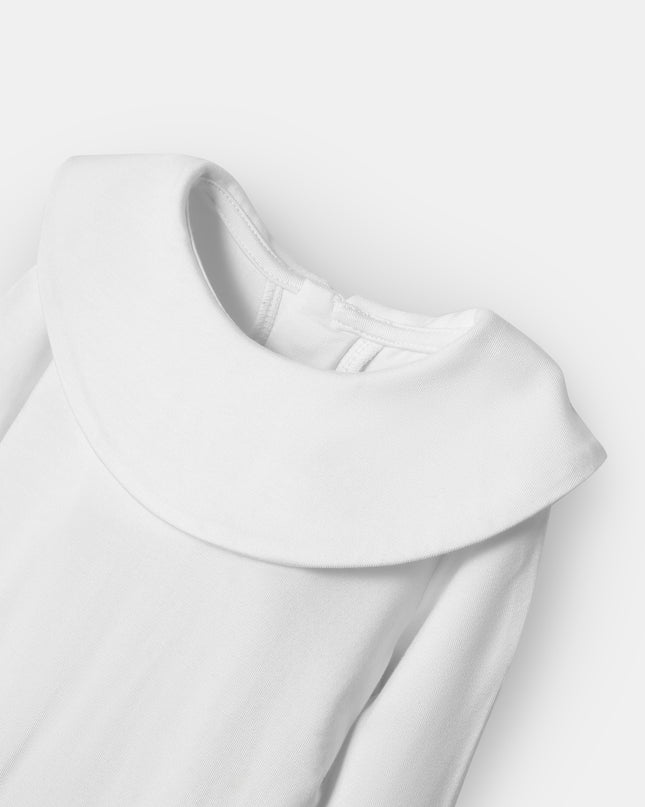
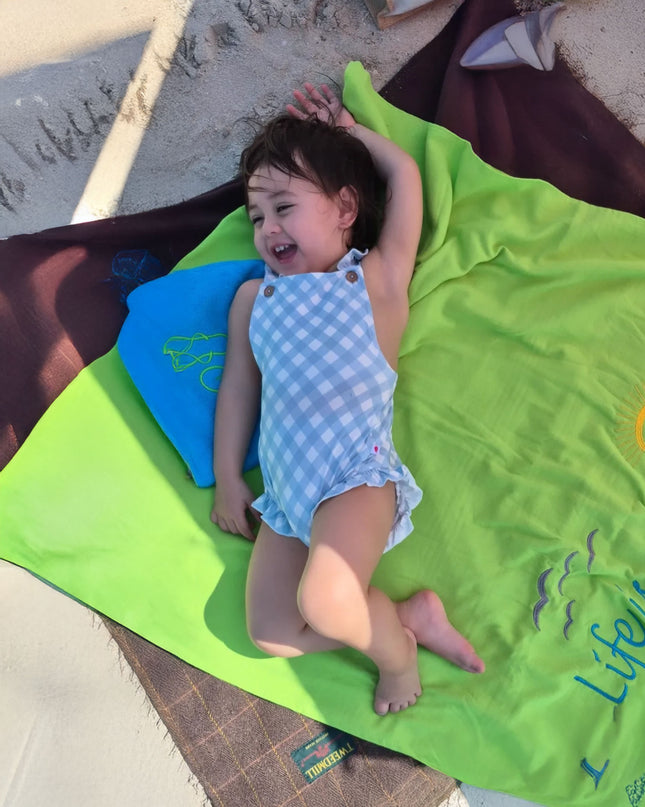
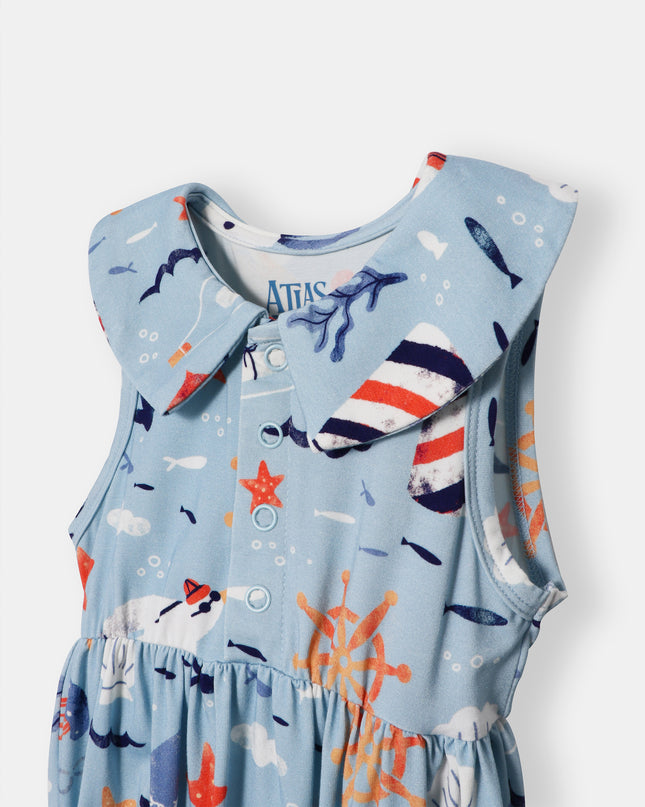
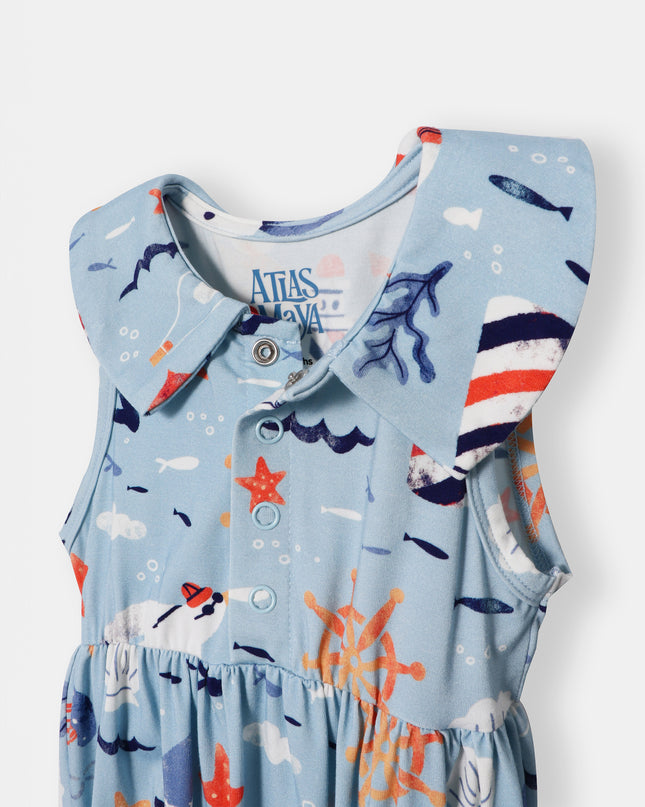
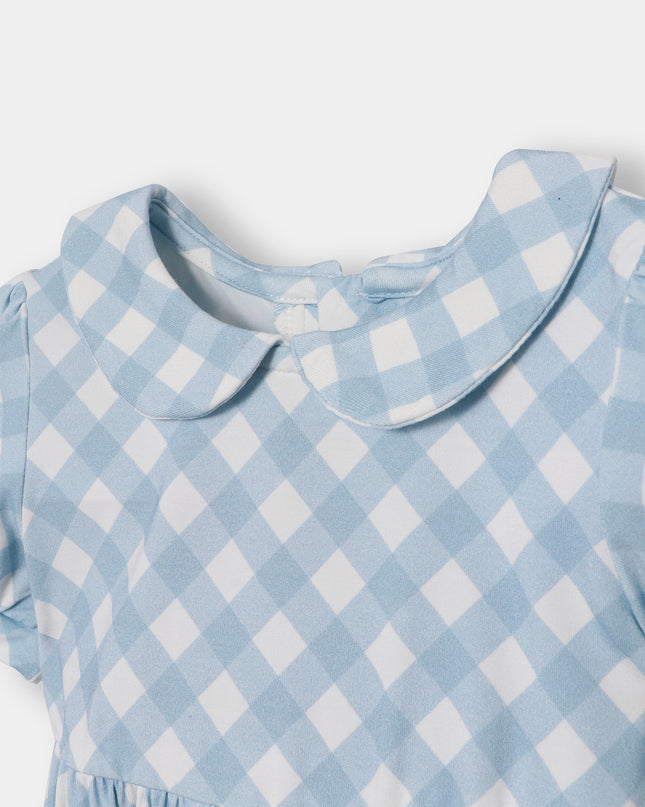
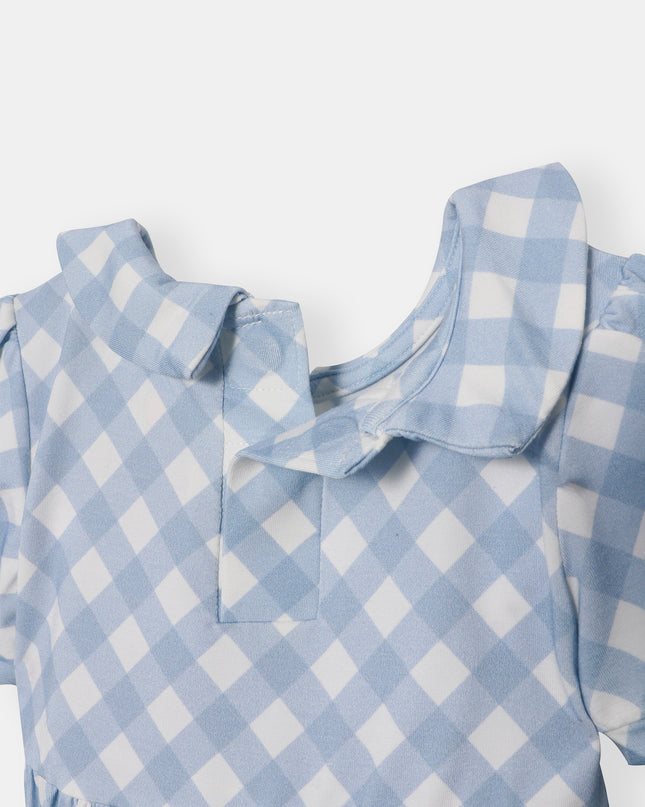
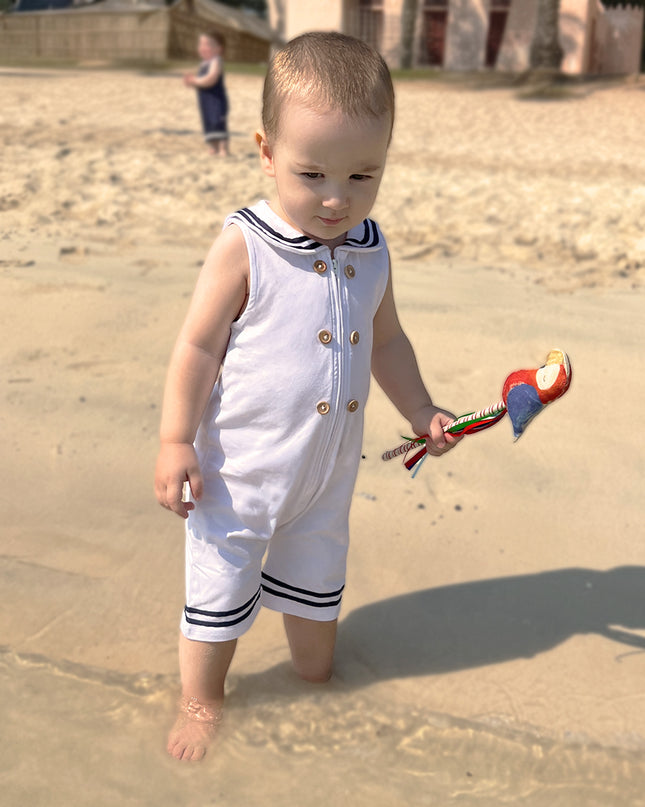
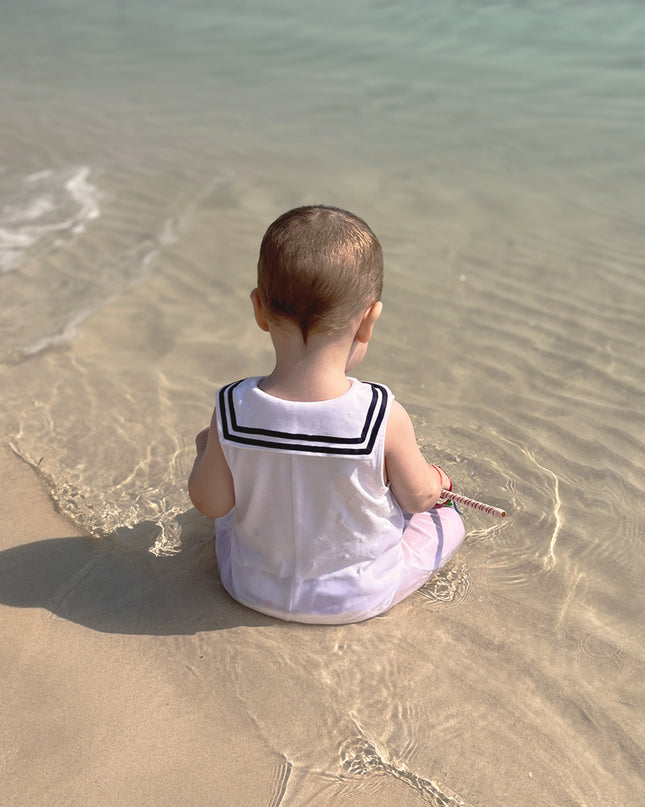
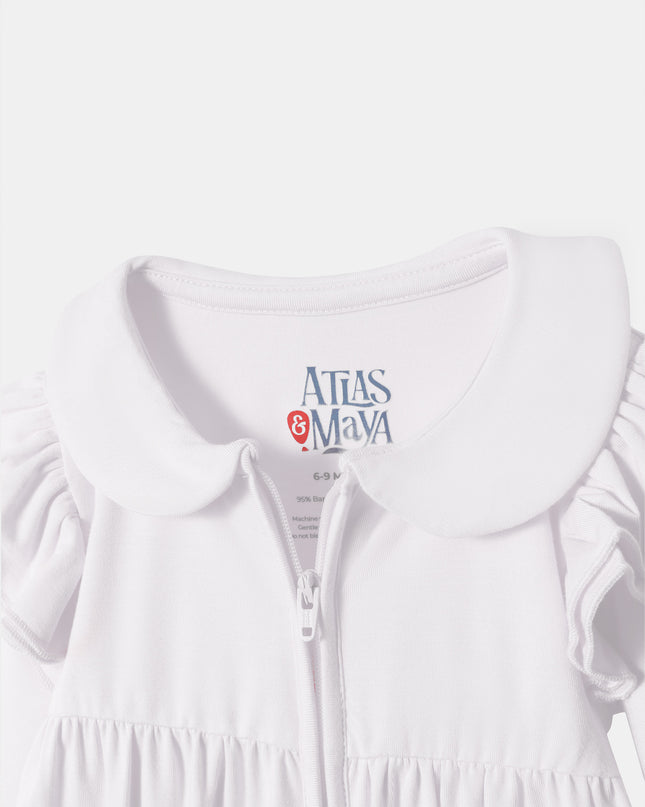
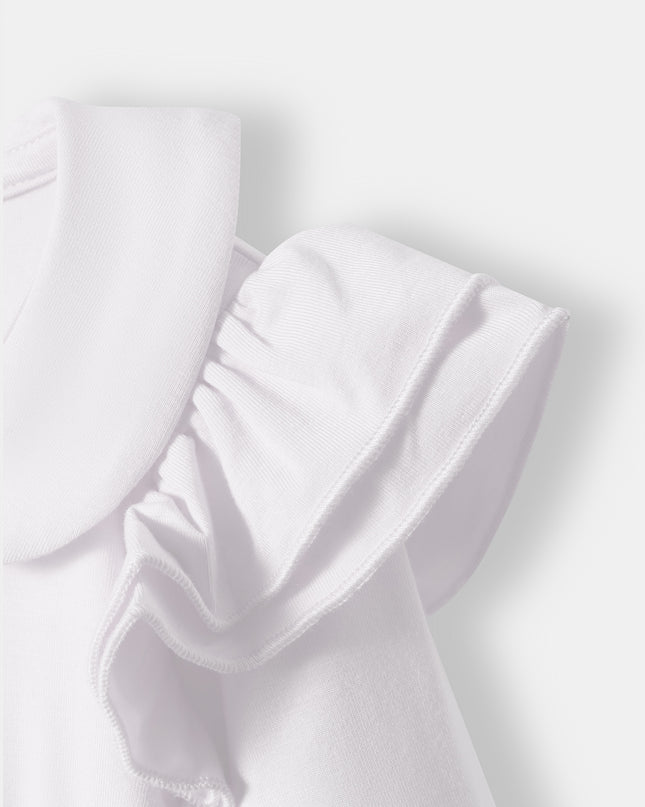
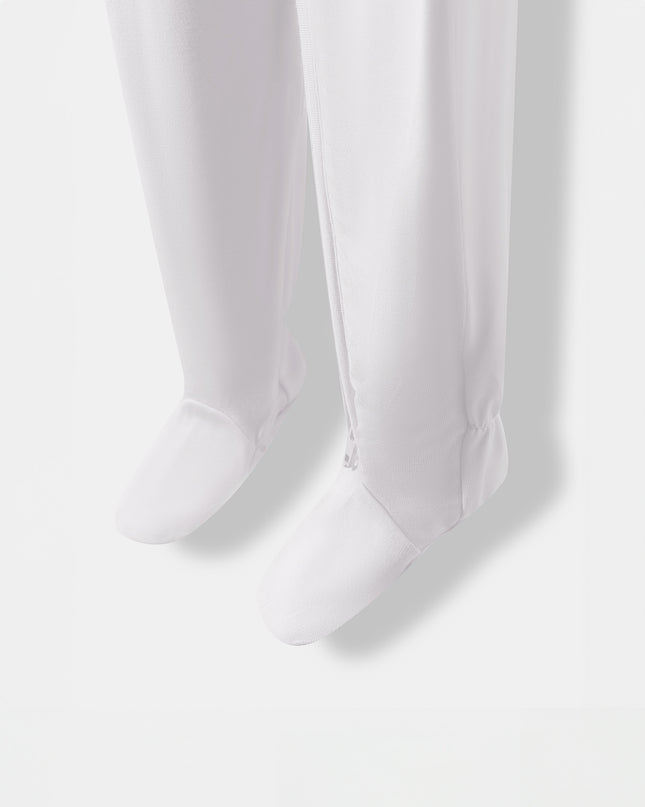
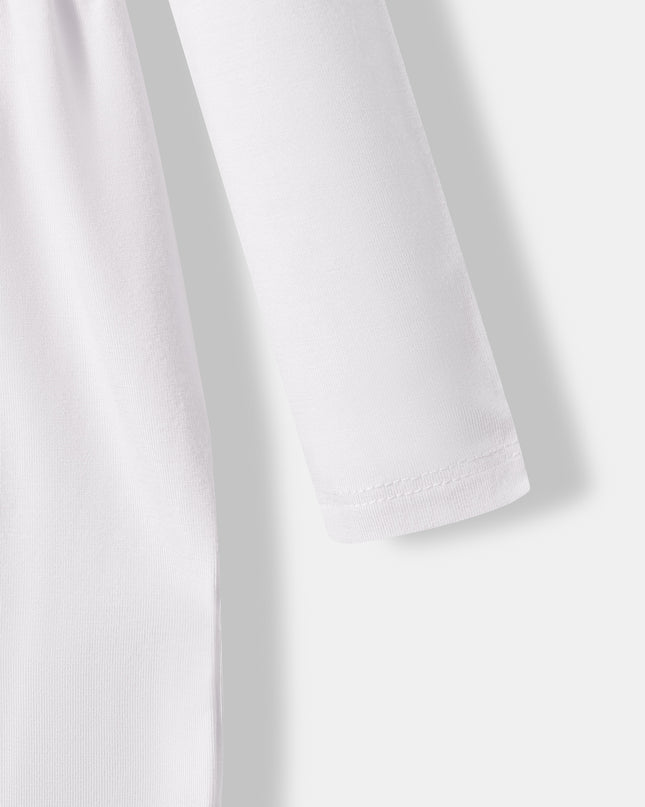
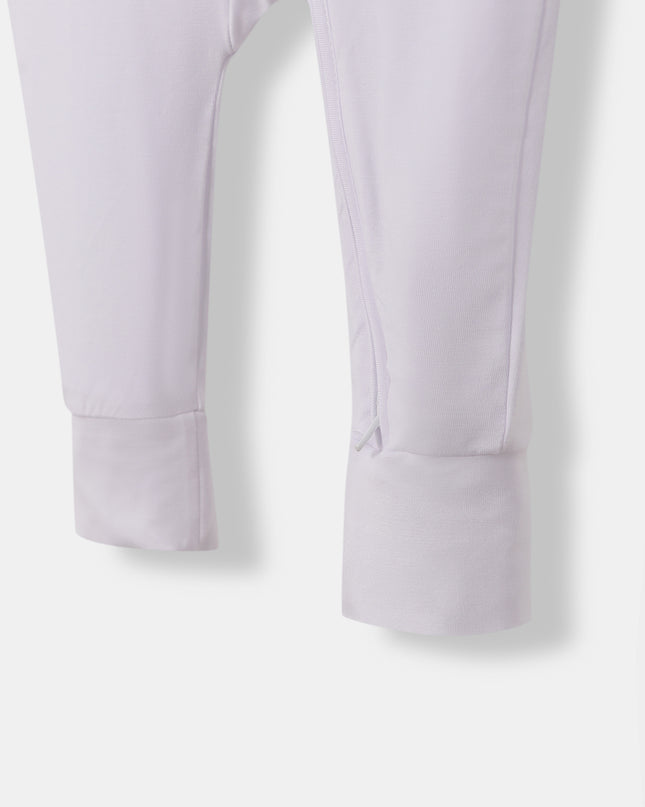
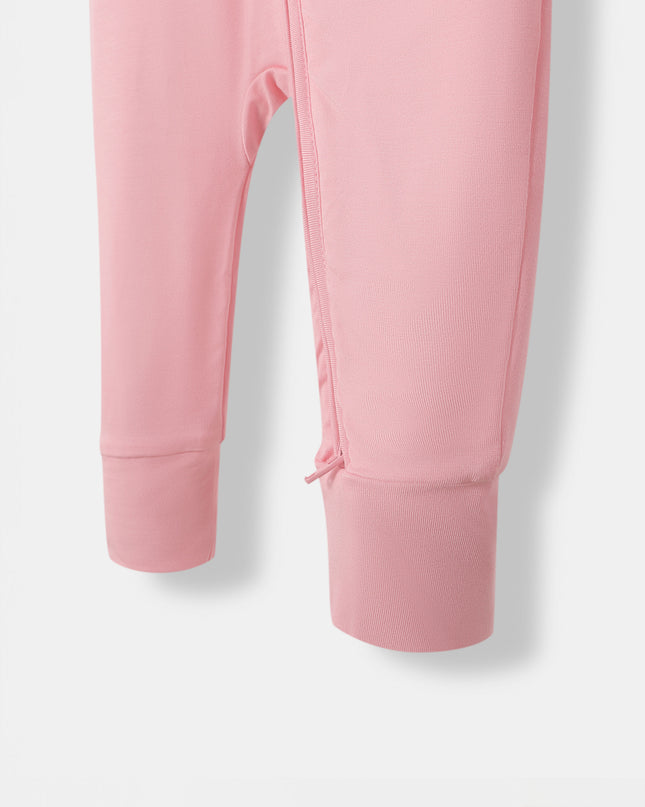
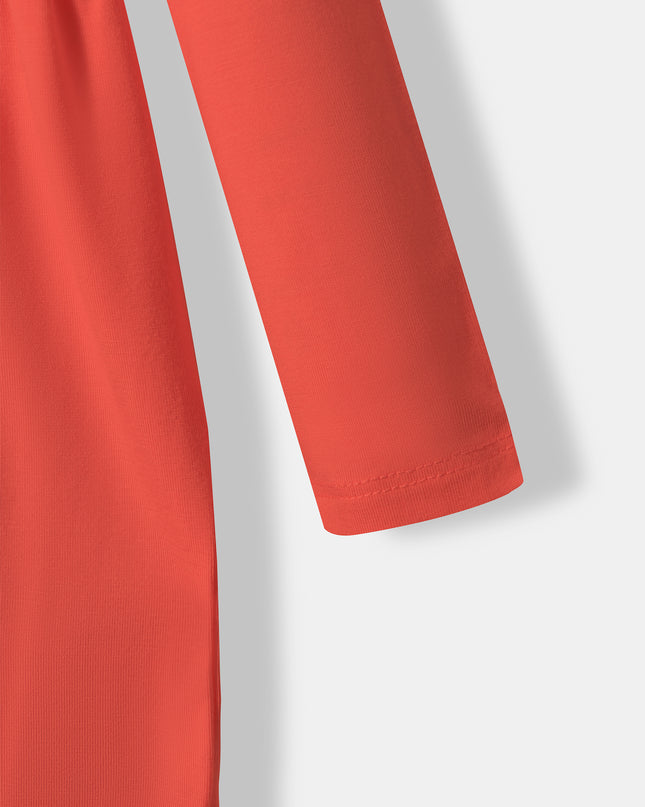
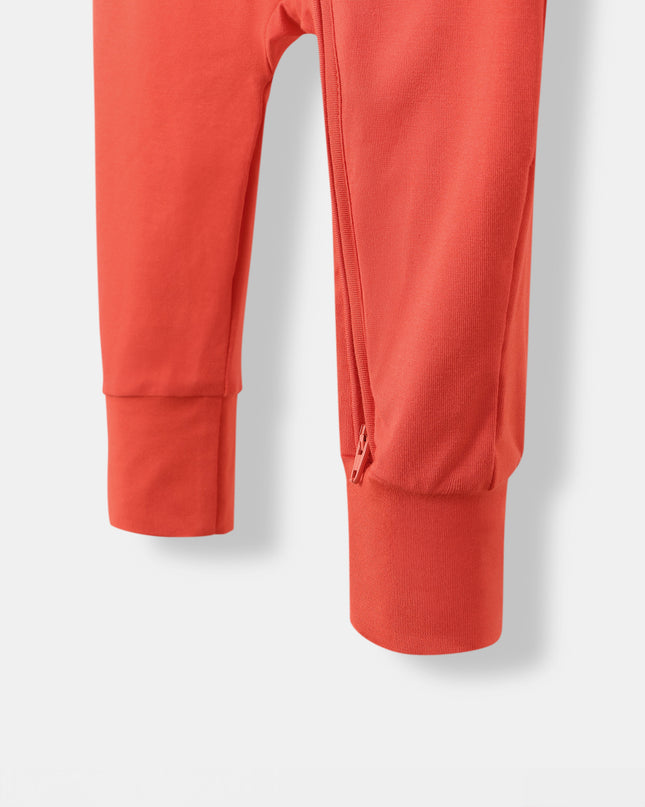
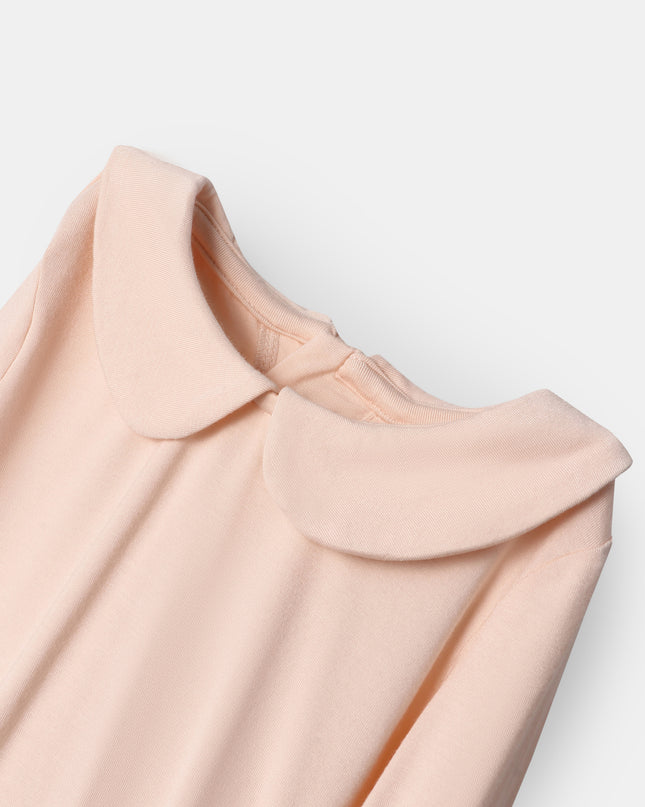
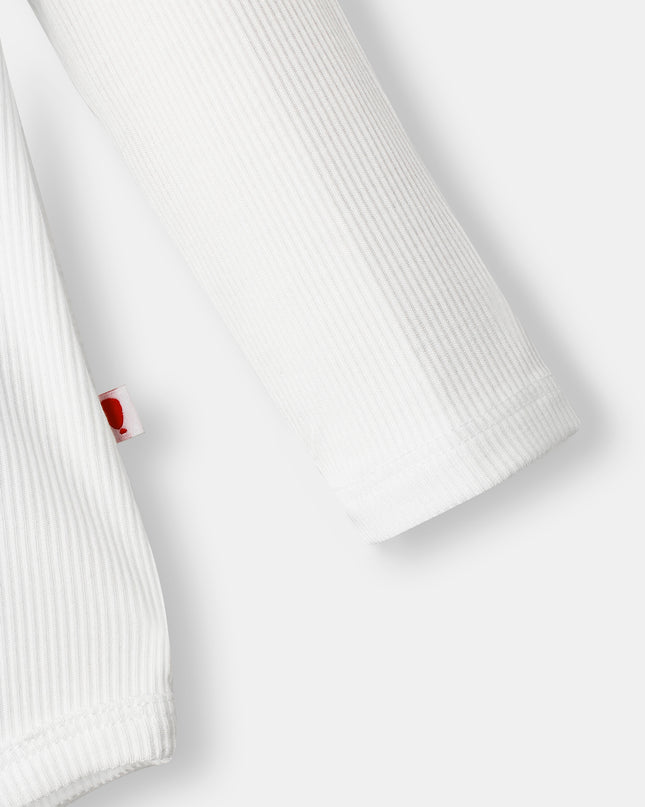
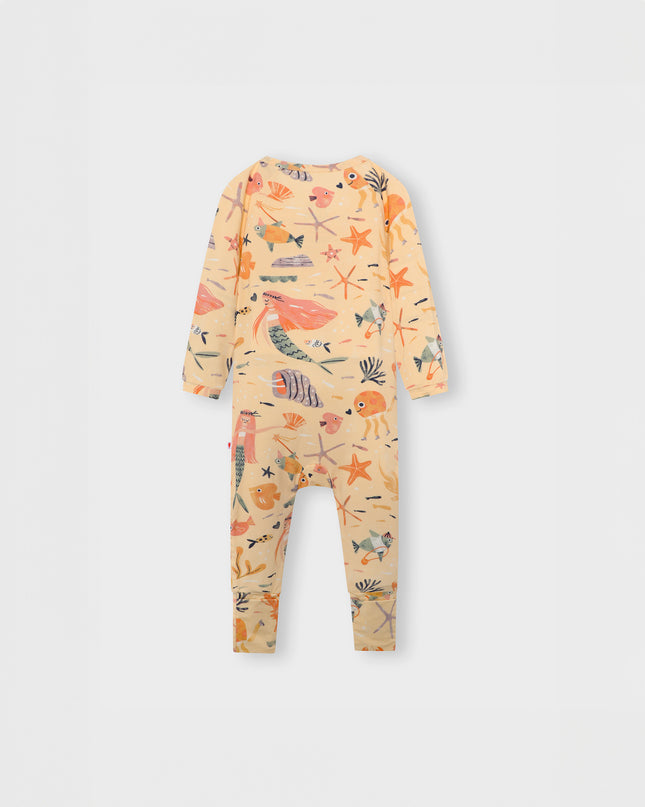
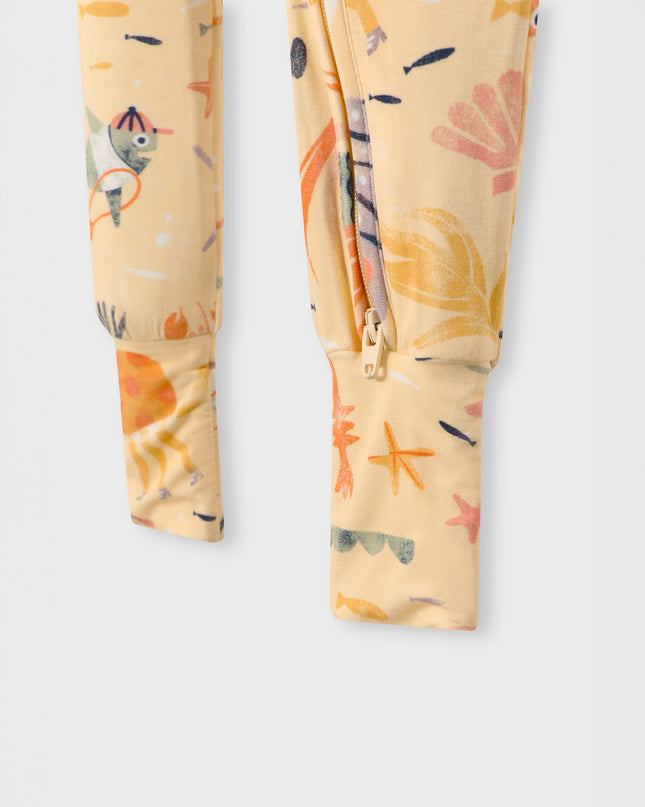
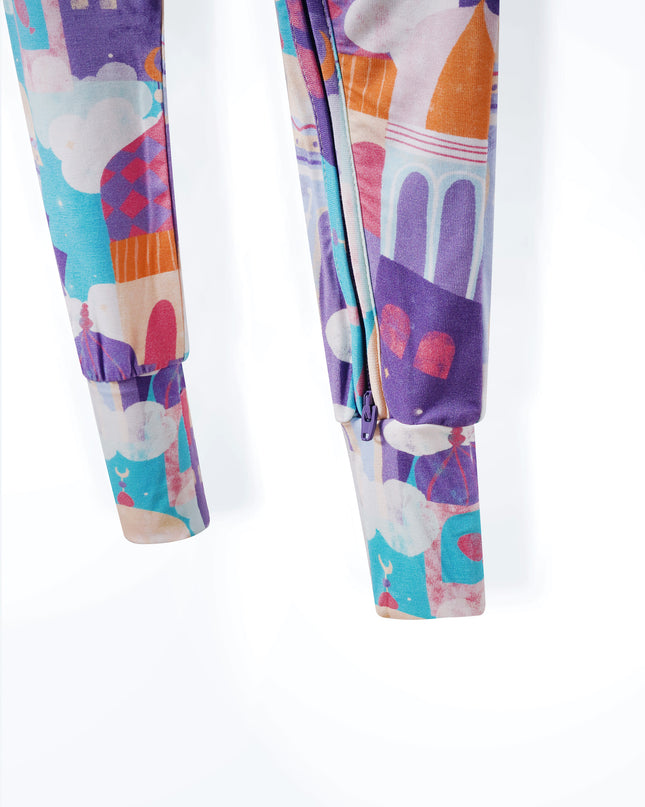
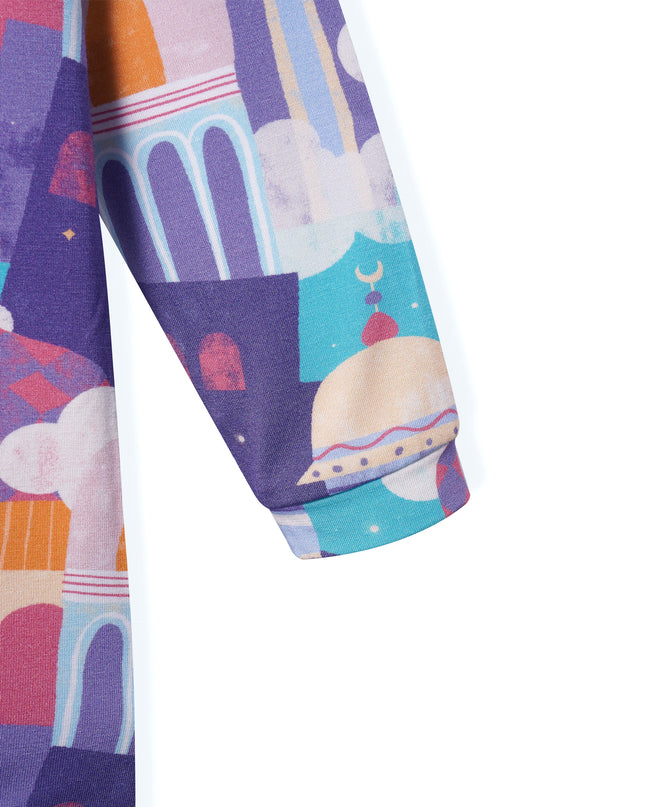
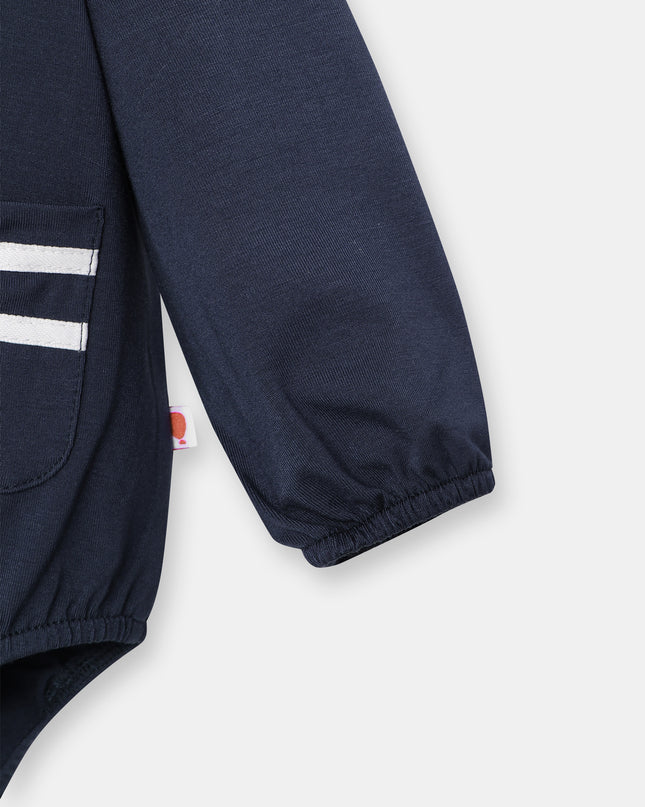
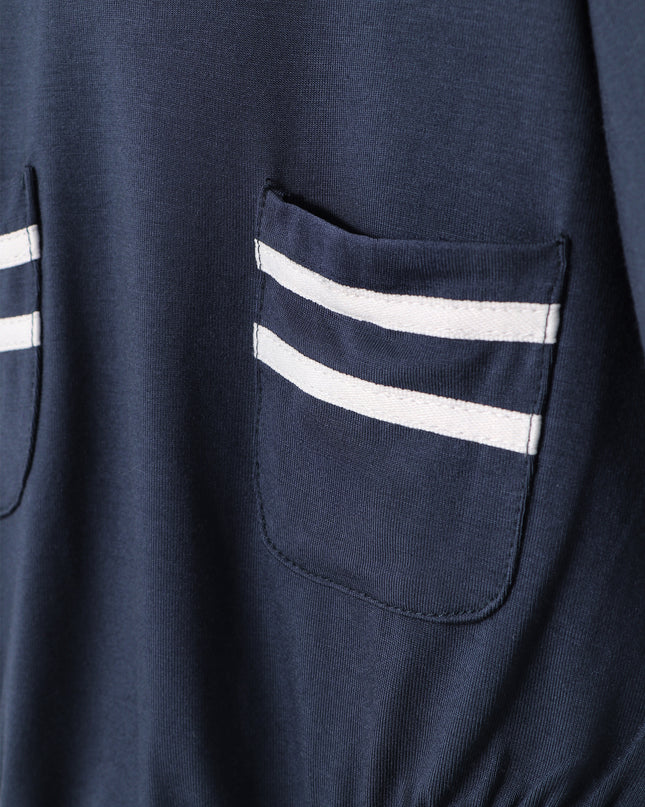
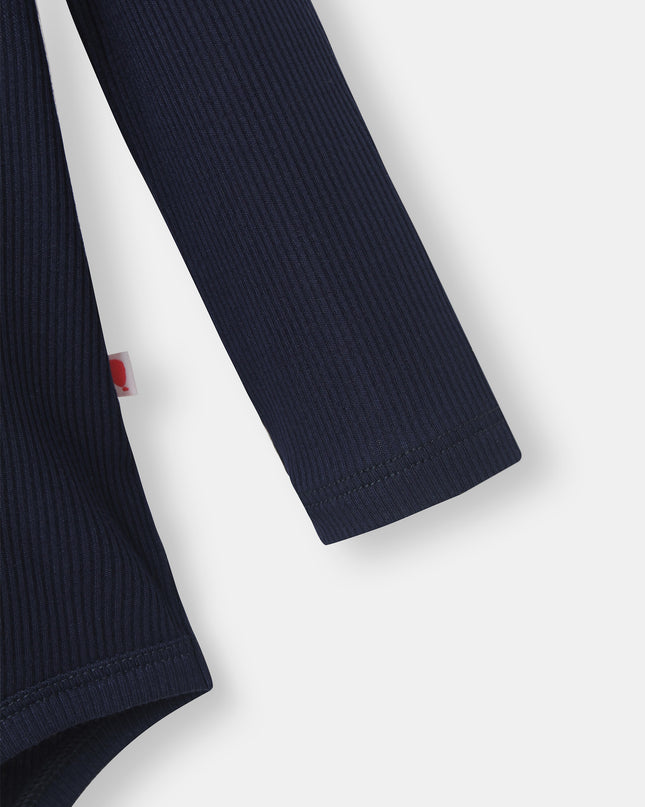
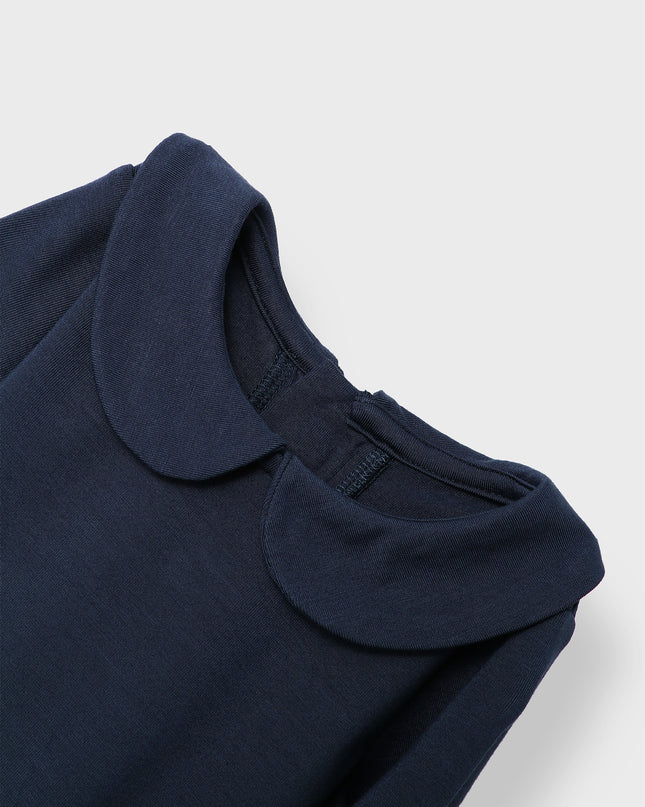
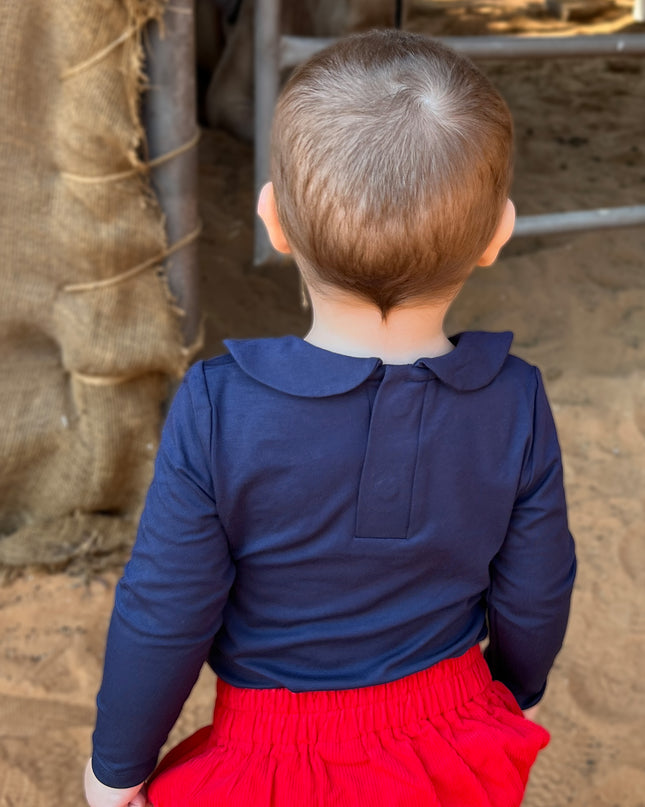
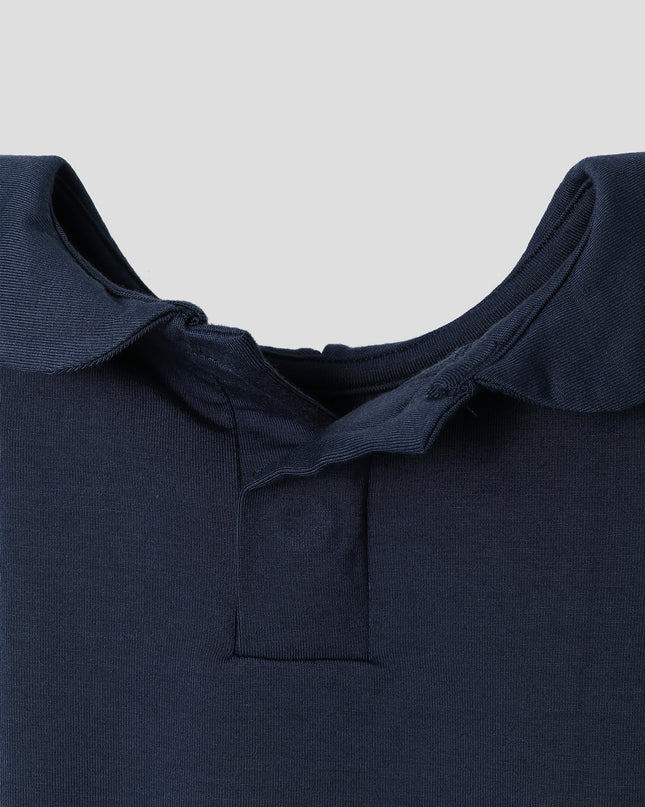
Which is why the fabric has to survive being used properly. Bamboo lyocell keeps its softness and its shape through the near-daily washing this climate demands, between the heat, the sand and everything that happens to an outfit before lunch.
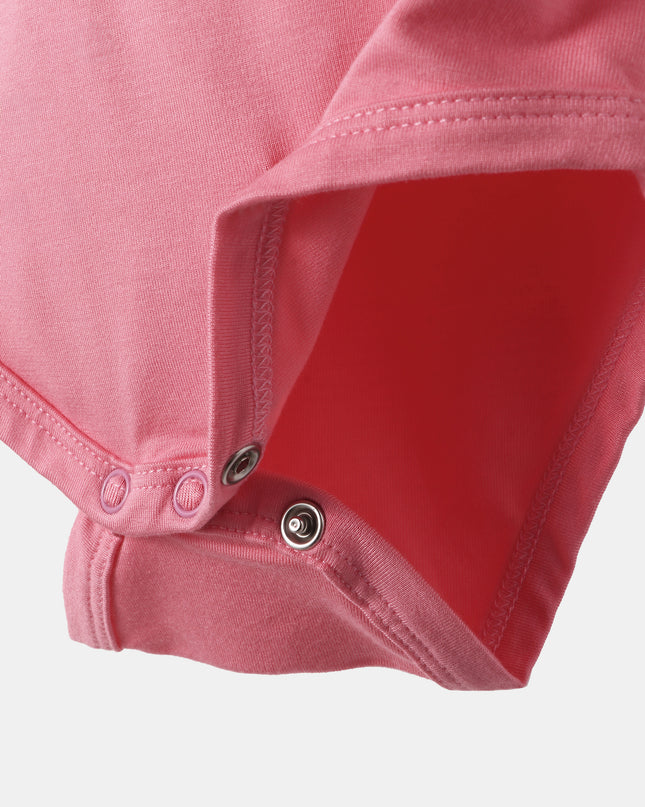
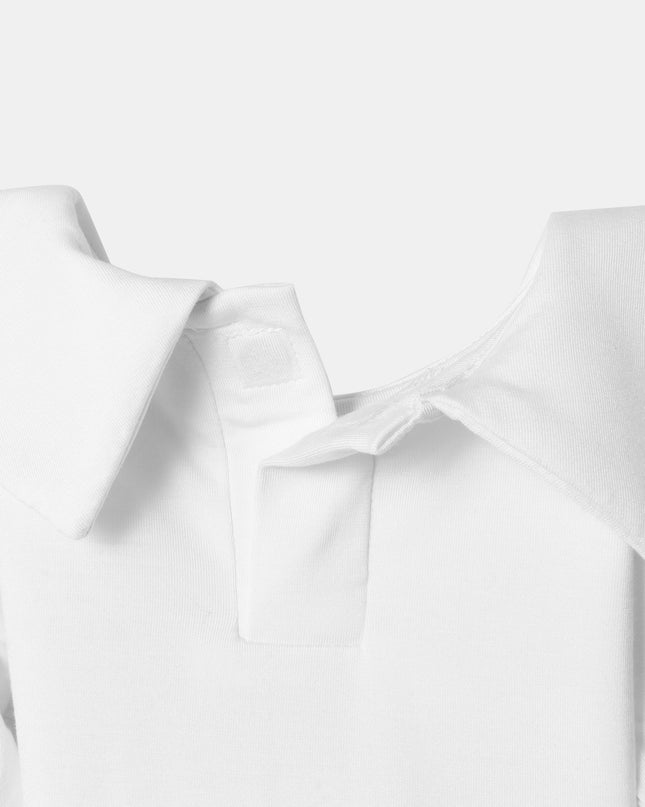
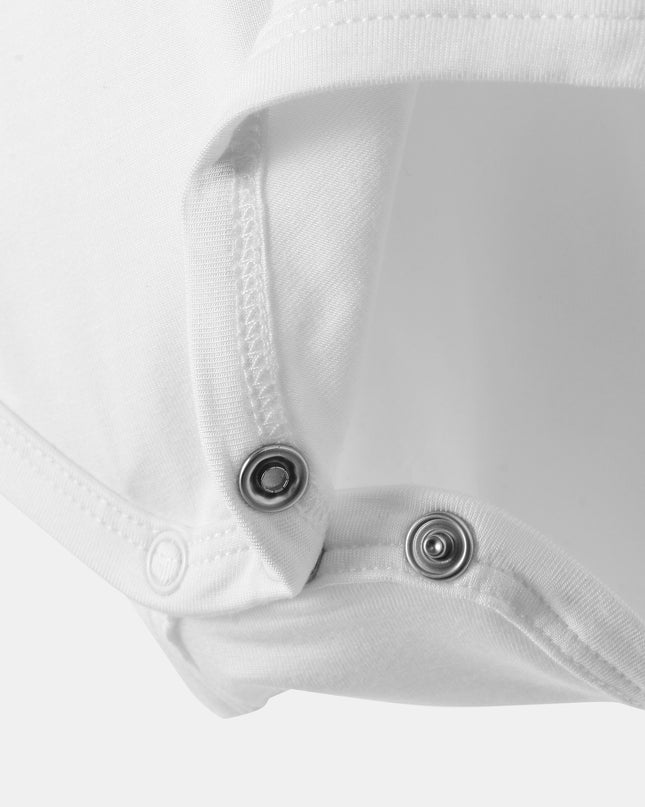
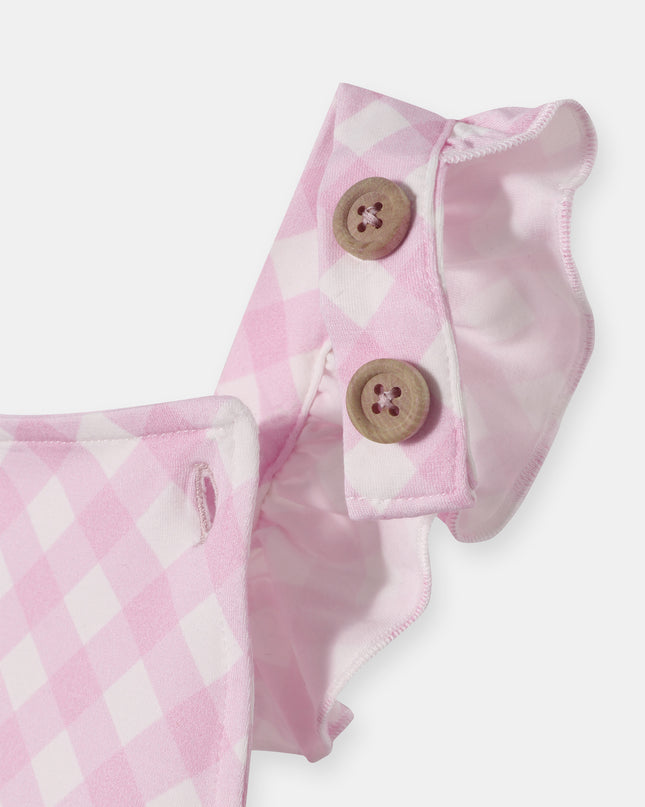
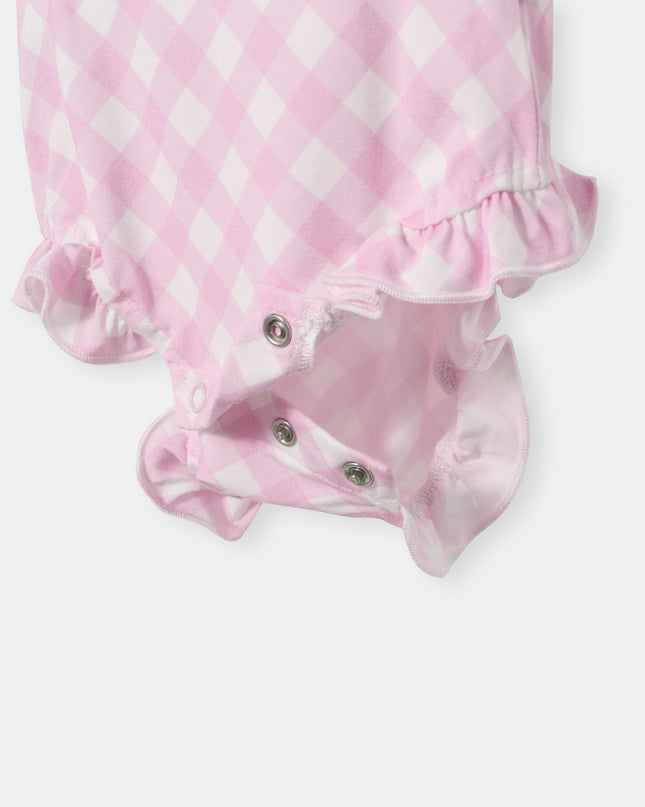
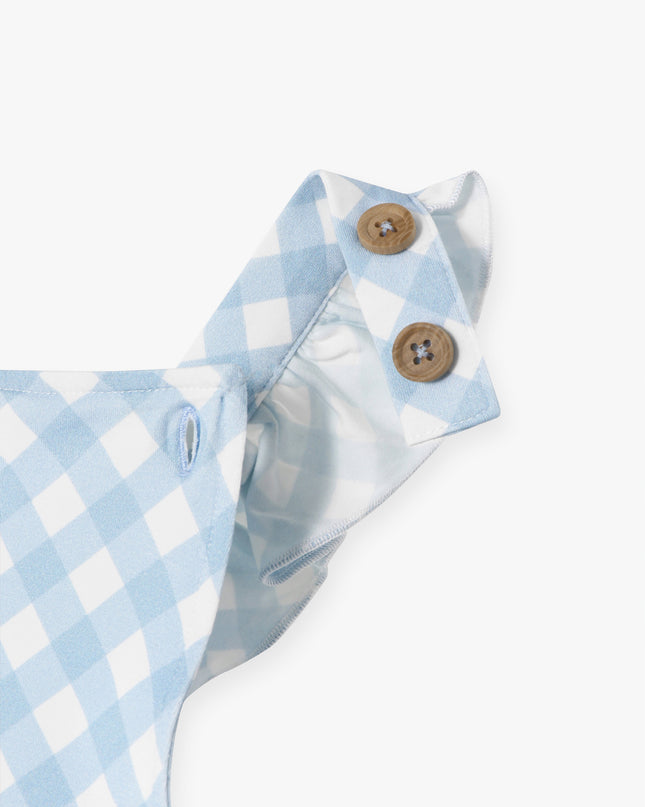
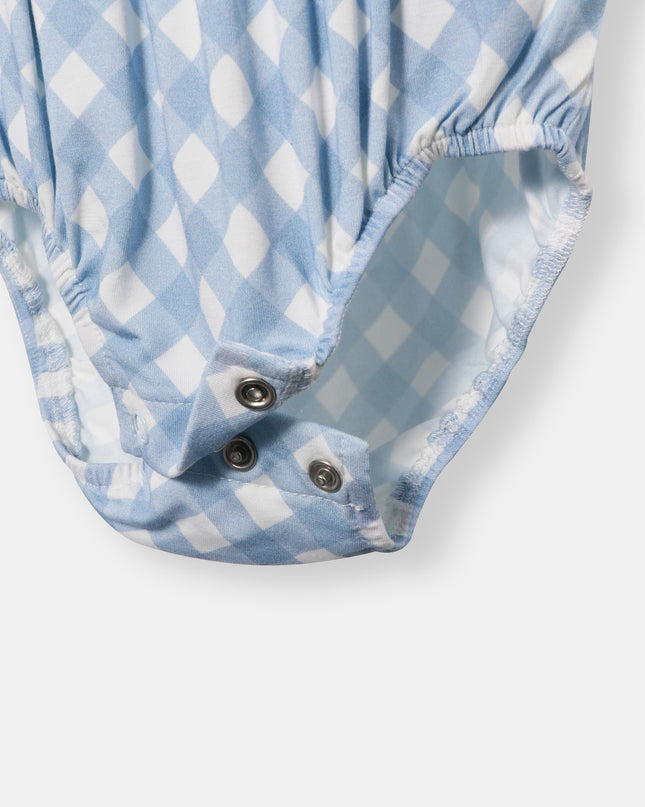
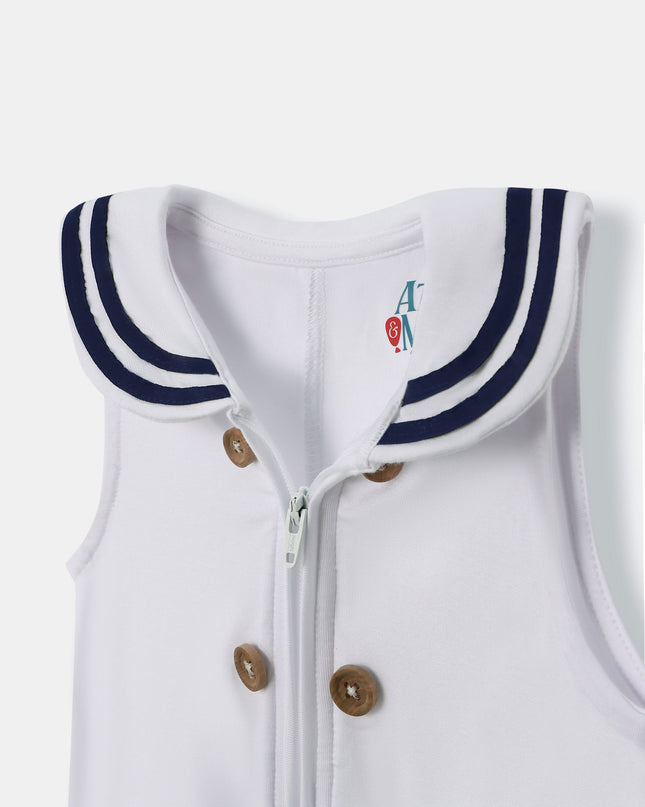
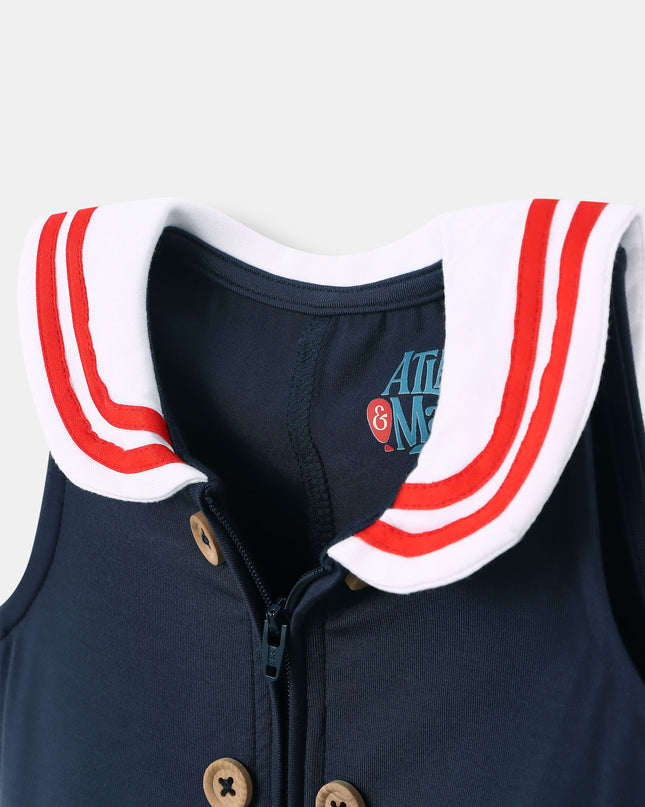
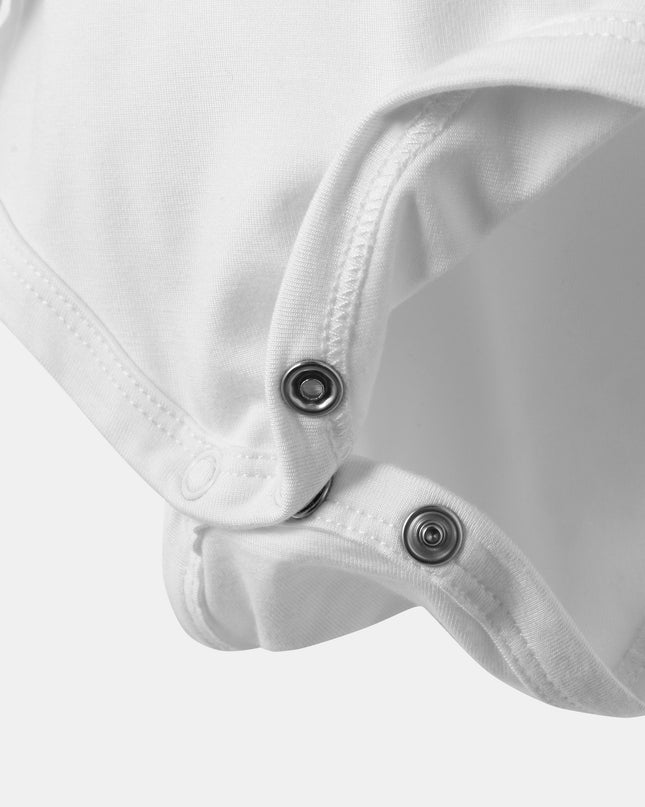
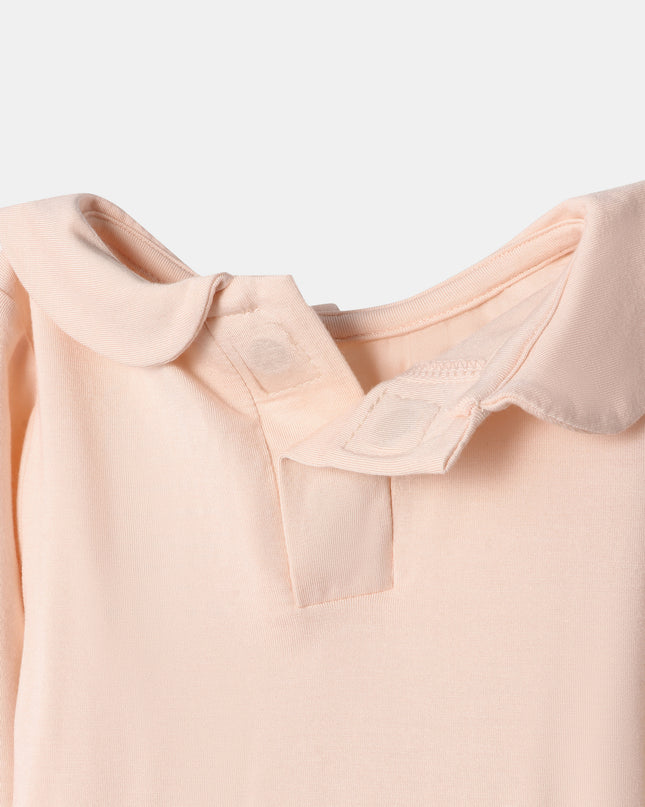
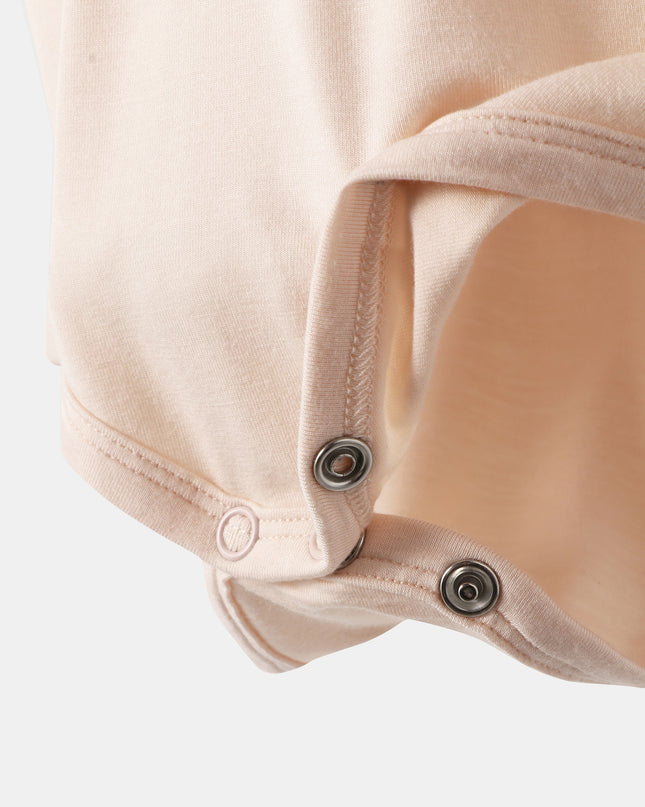
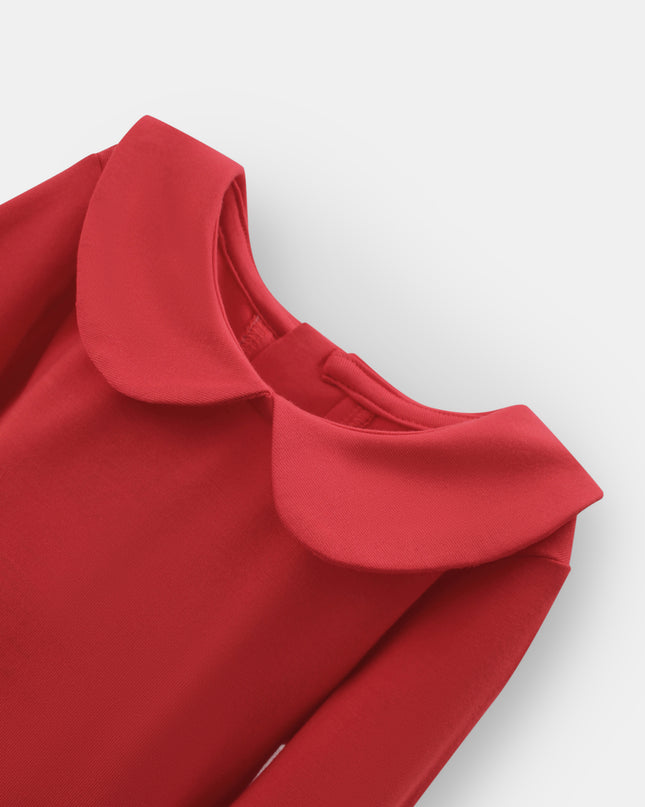
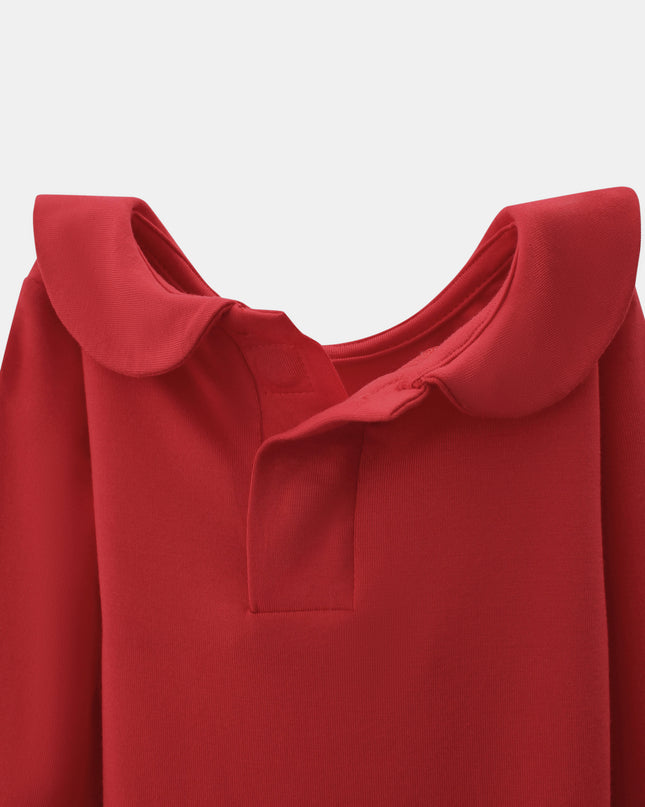
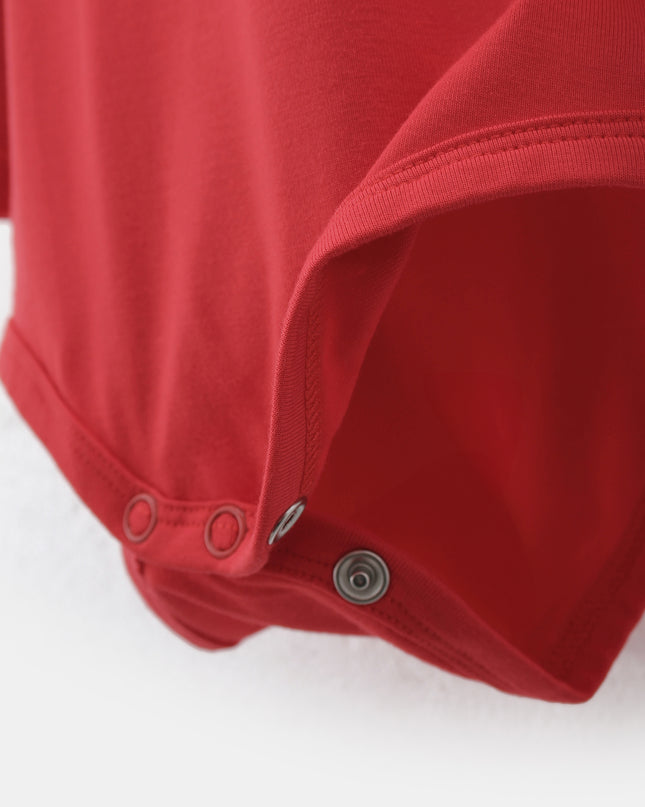
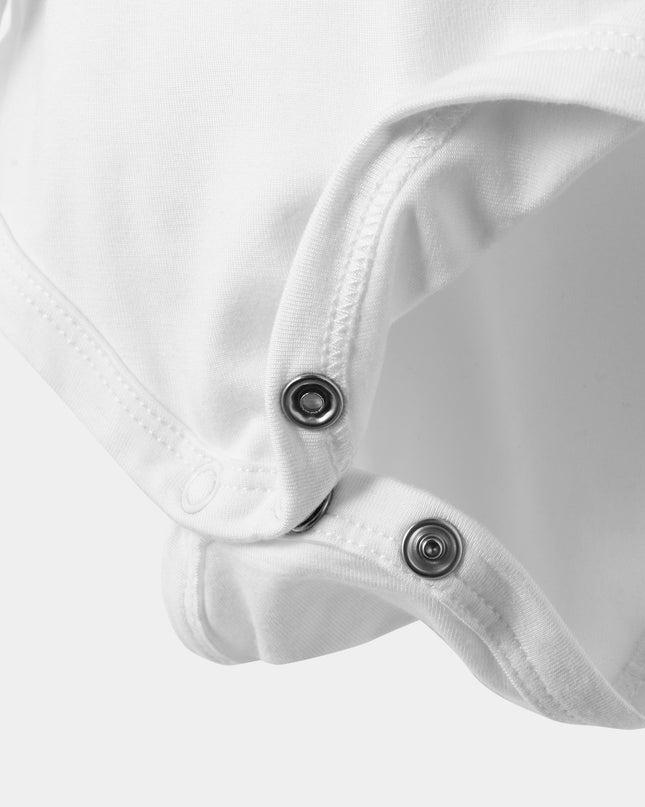
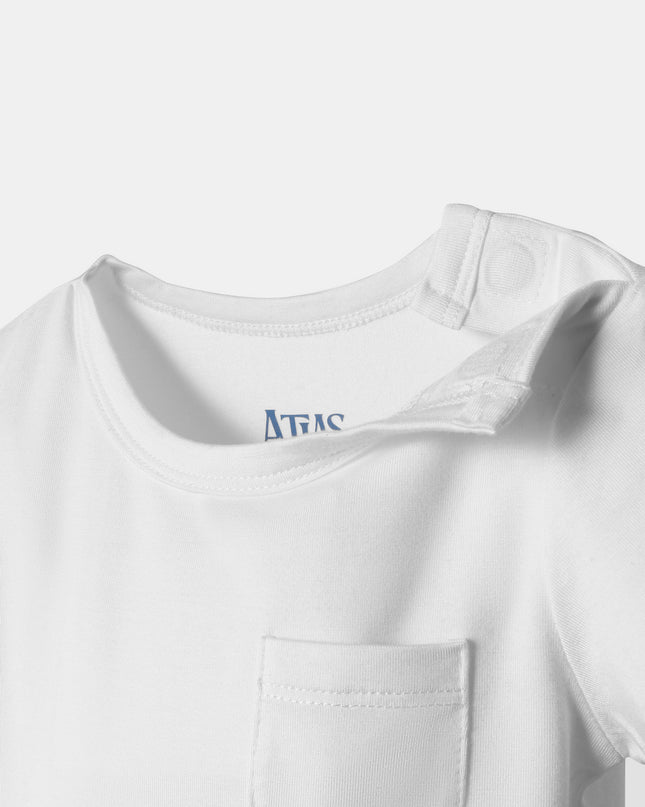
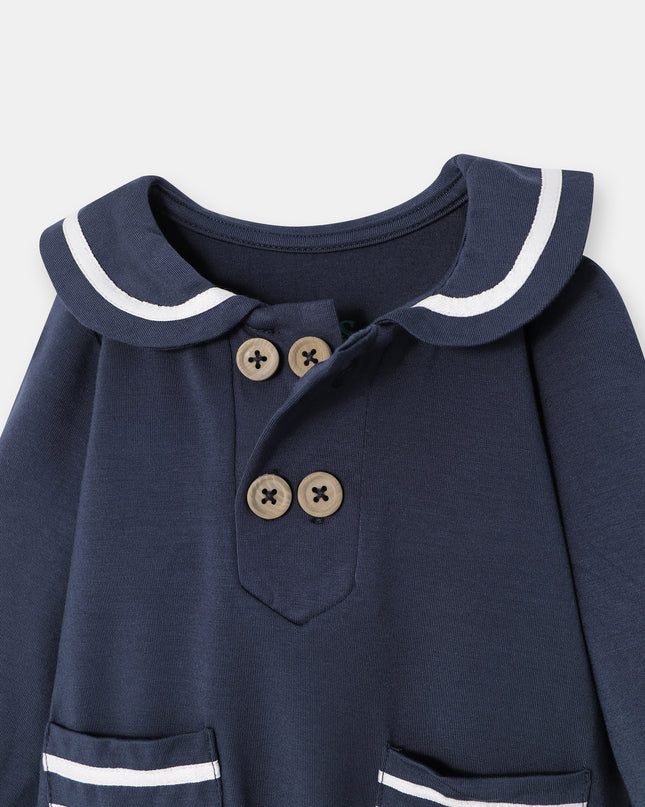
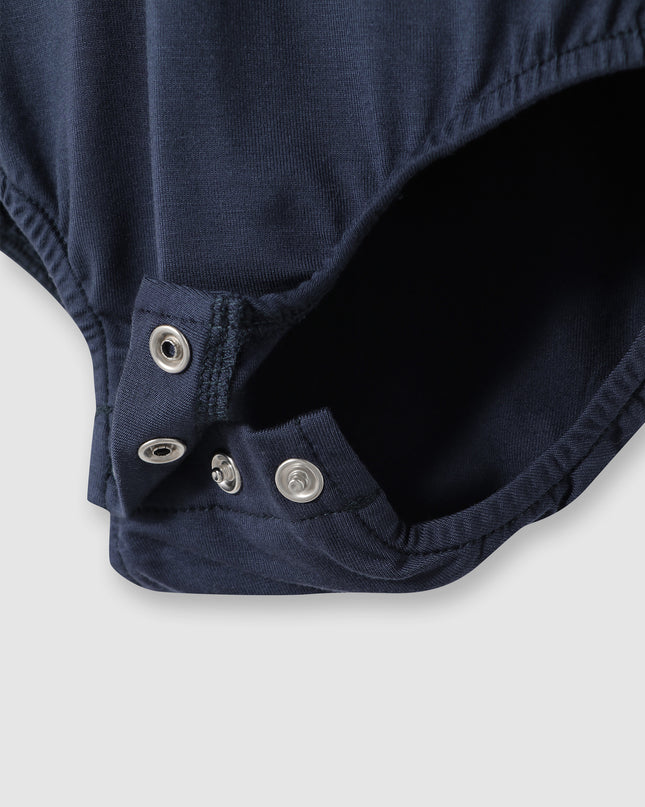
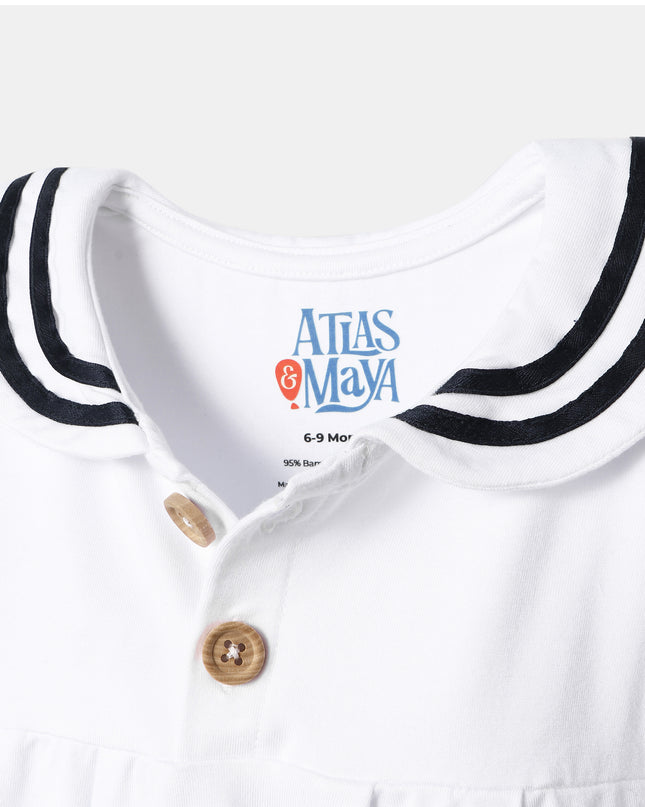
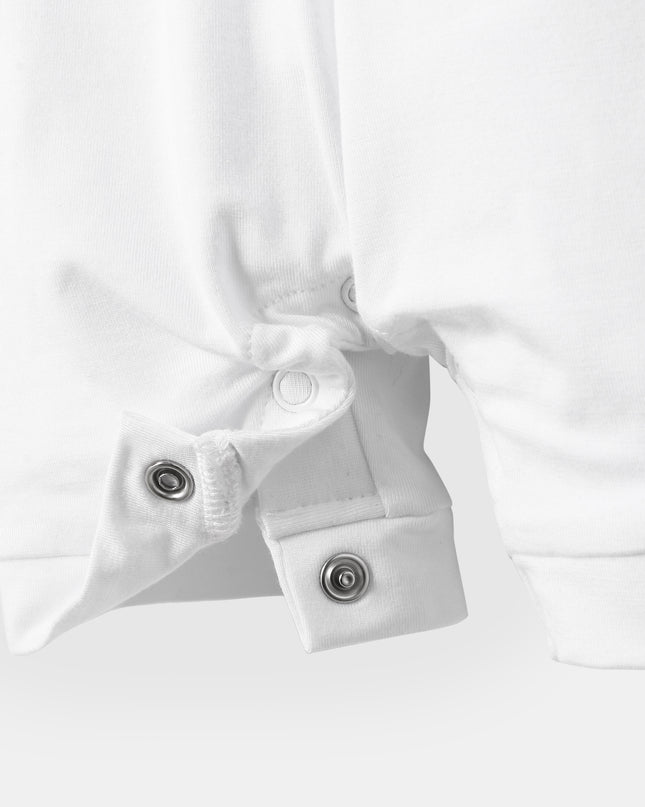
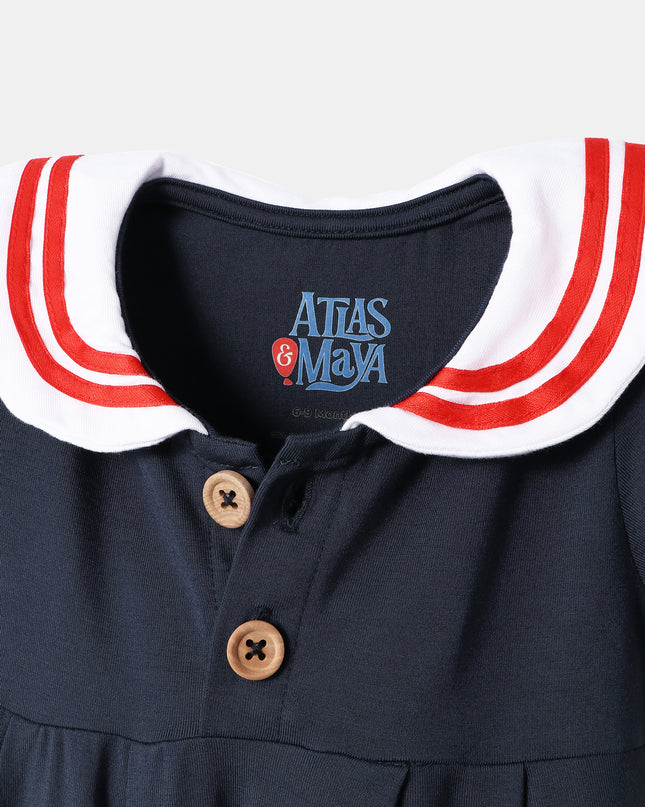
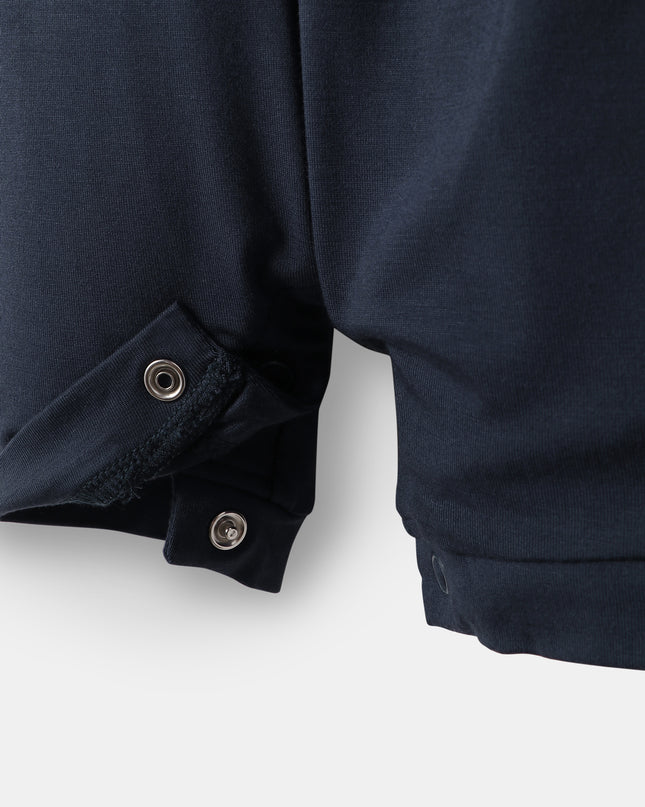
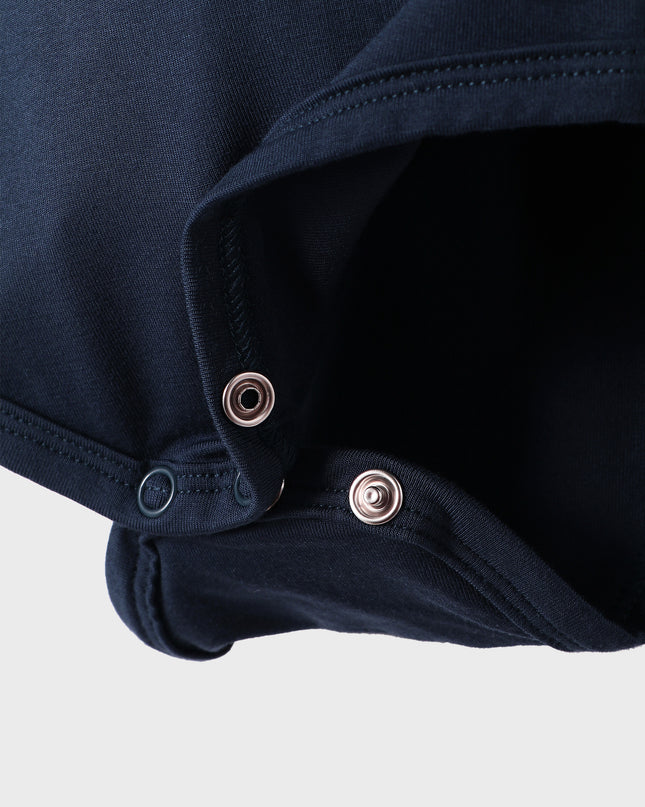
It breathes, so she is comfortable crossing from 45 degrees outside in Abu Dhabi to a mall at 20, several times a day from May through October, rather than damp and cold ten minutes after being hot. Every thread, dye and fastening is tested to OEKO-TEX Standard 100, Product Class I, the tier written for articles worn by babies and toddlers.
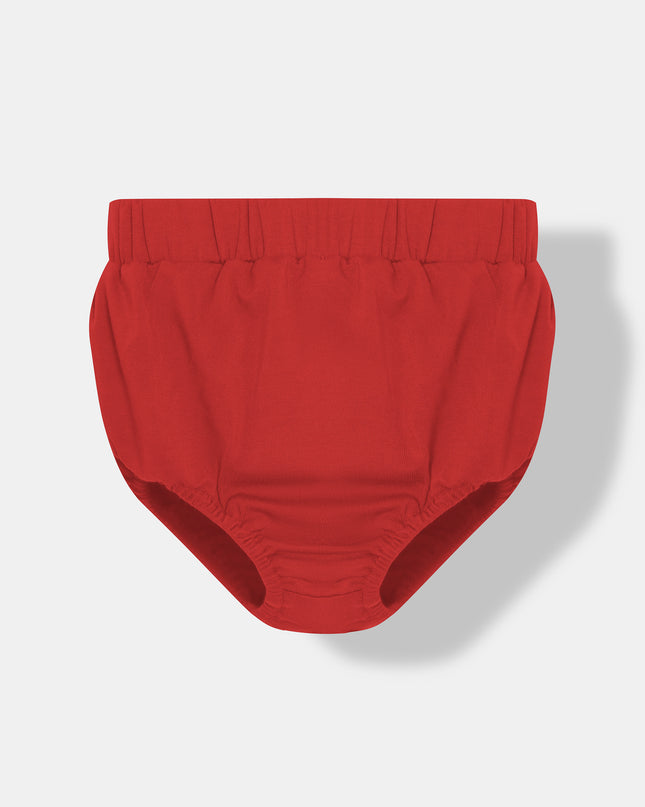
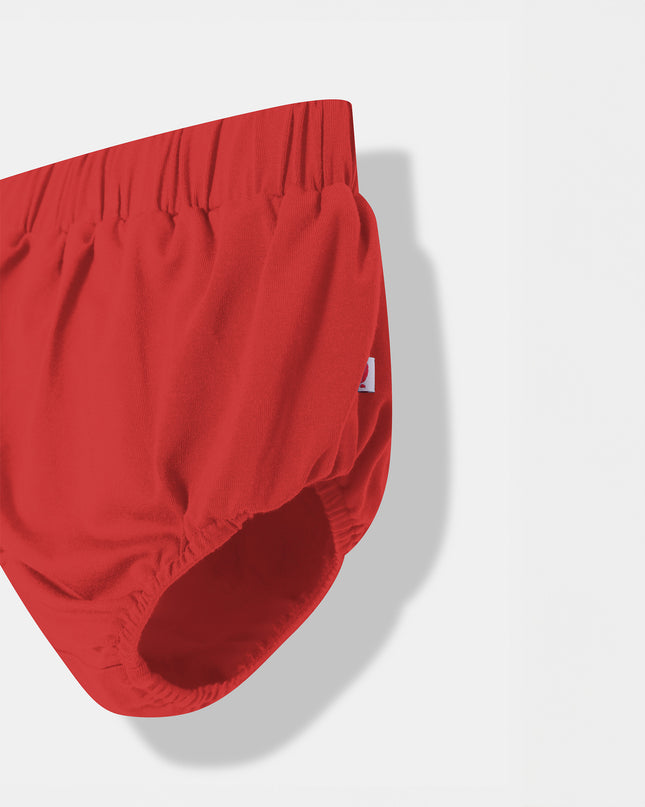
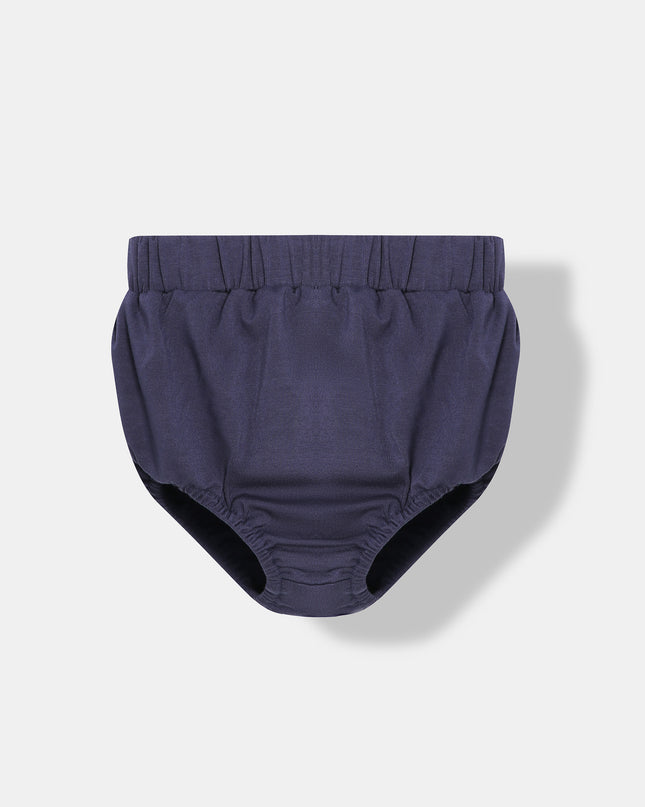
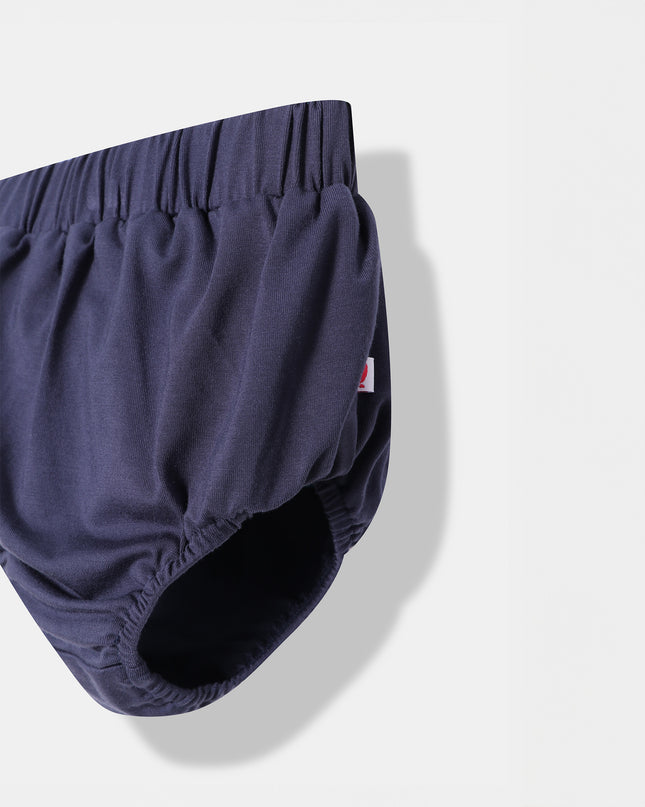
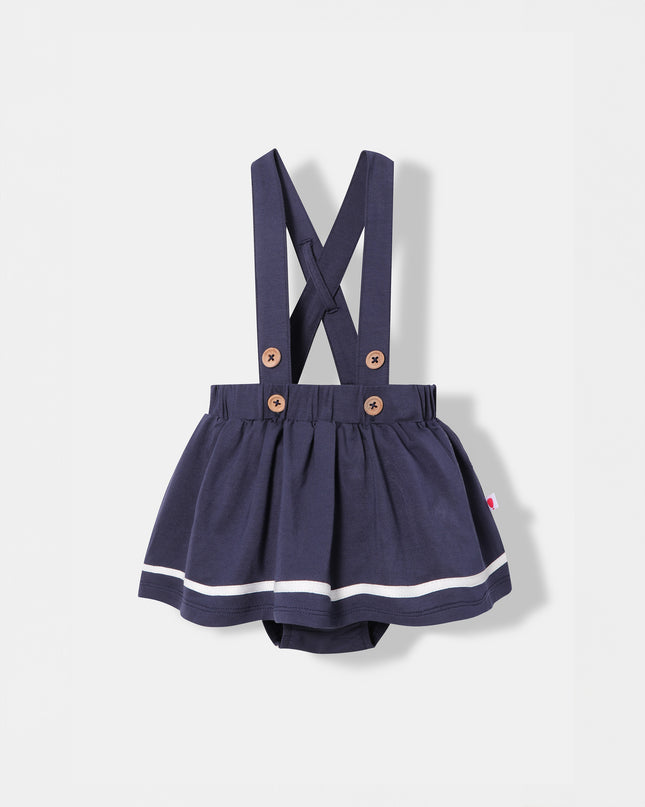
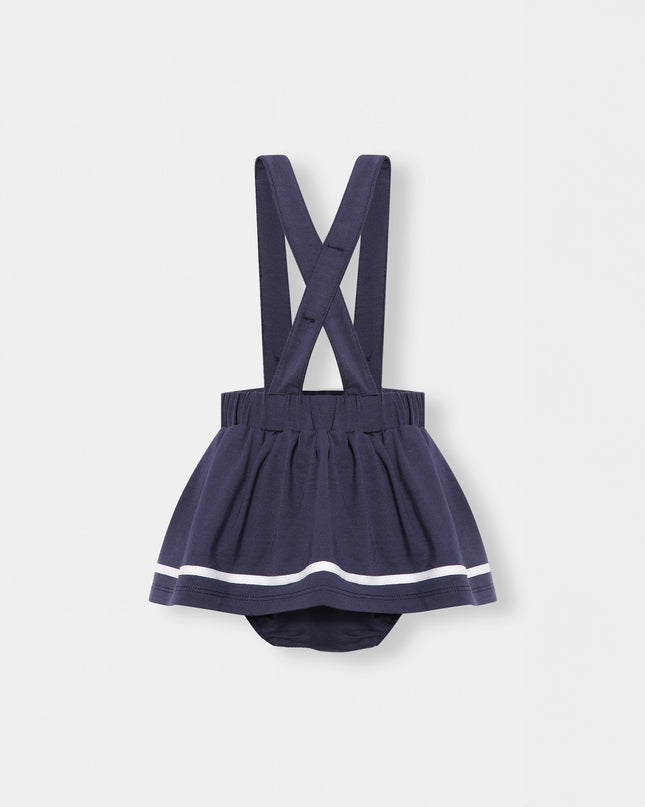
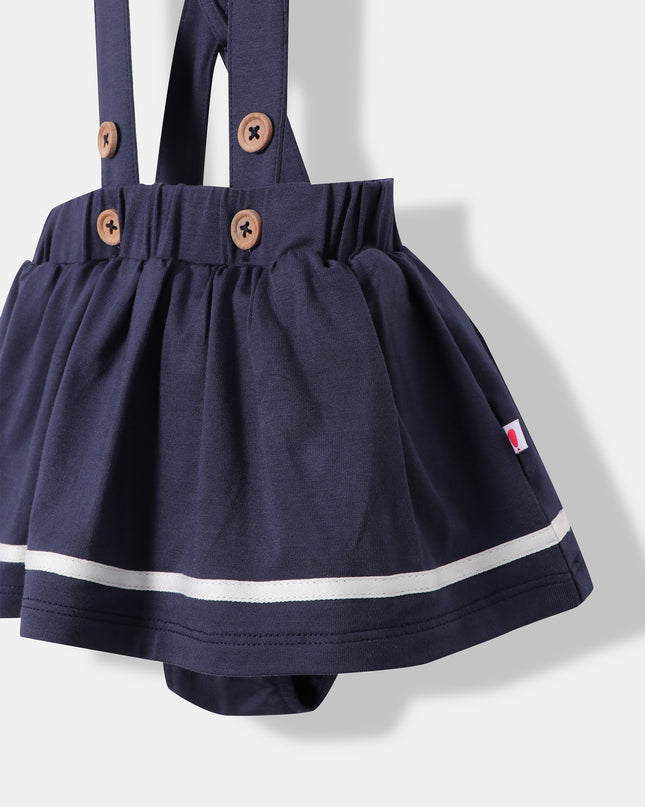
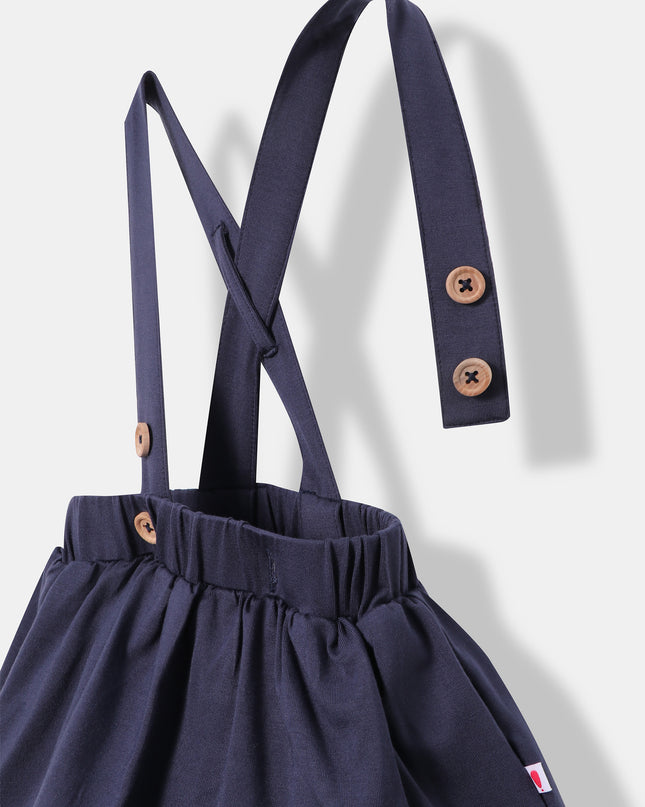
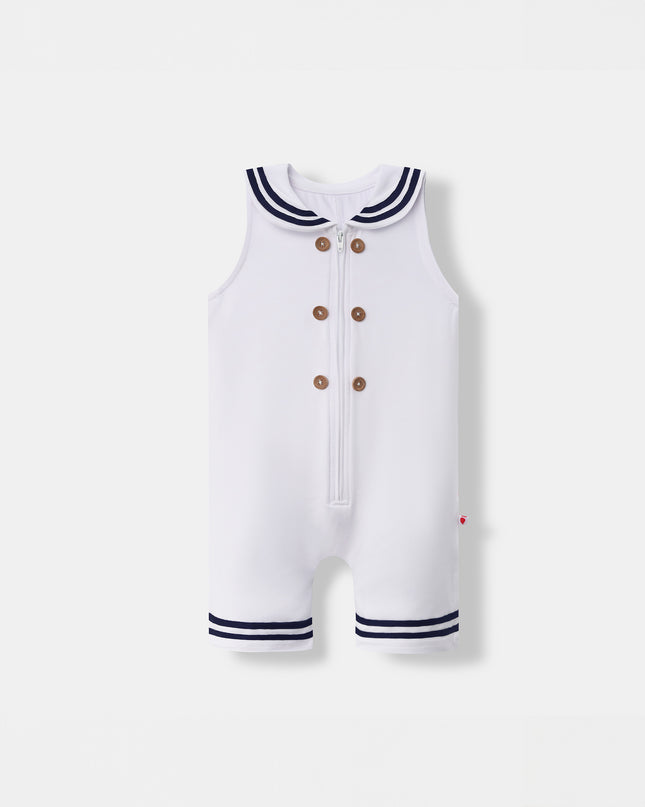
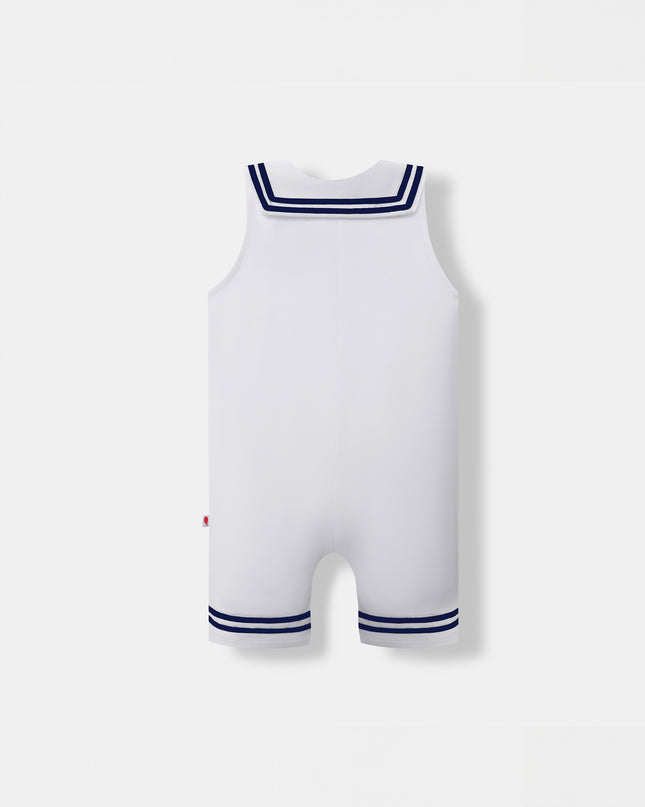
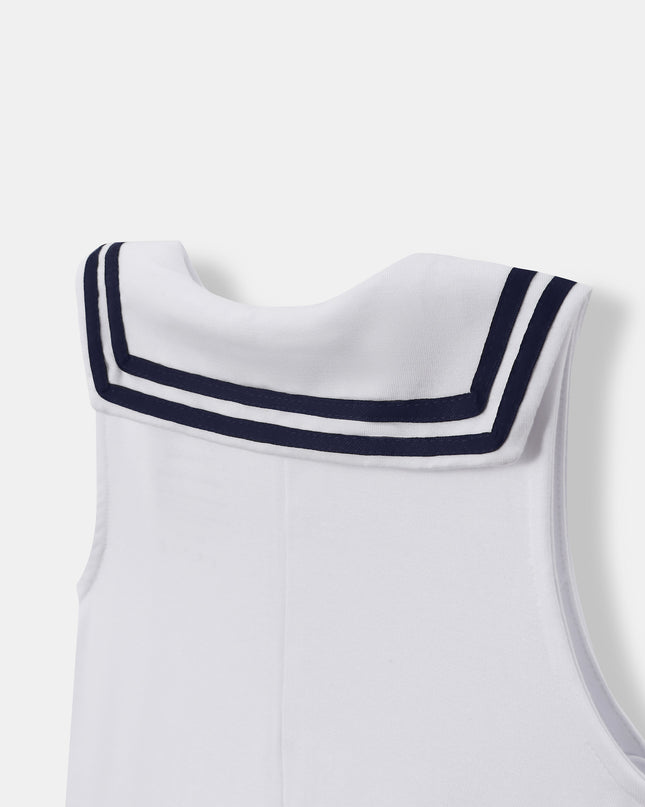
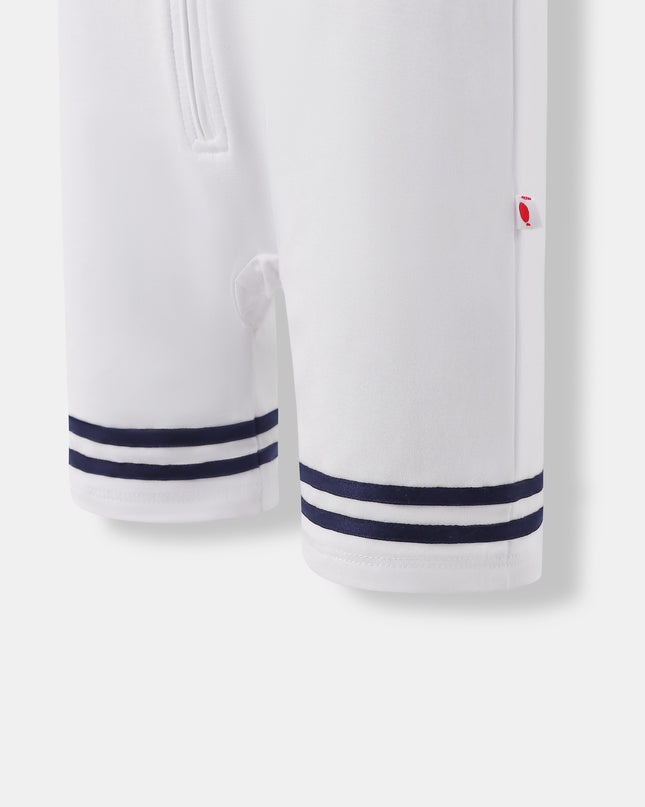
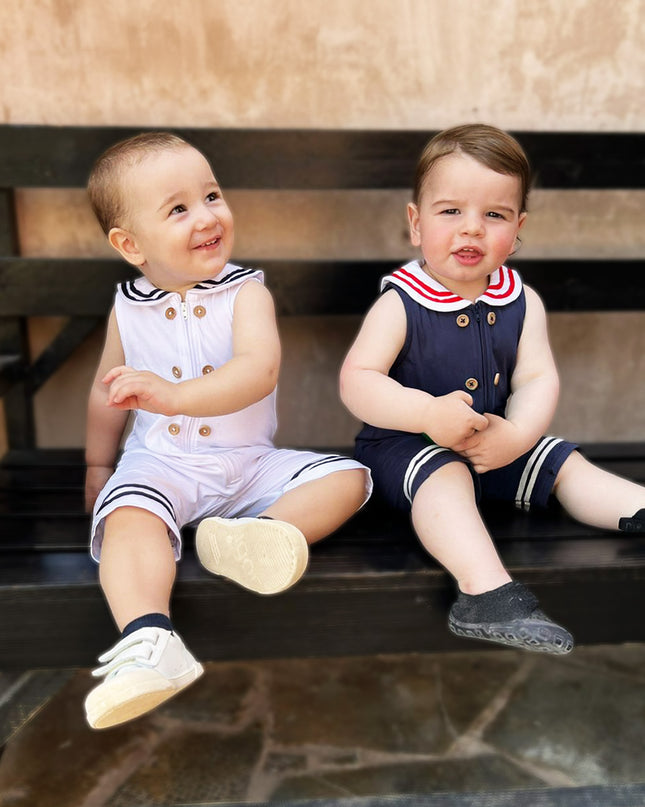
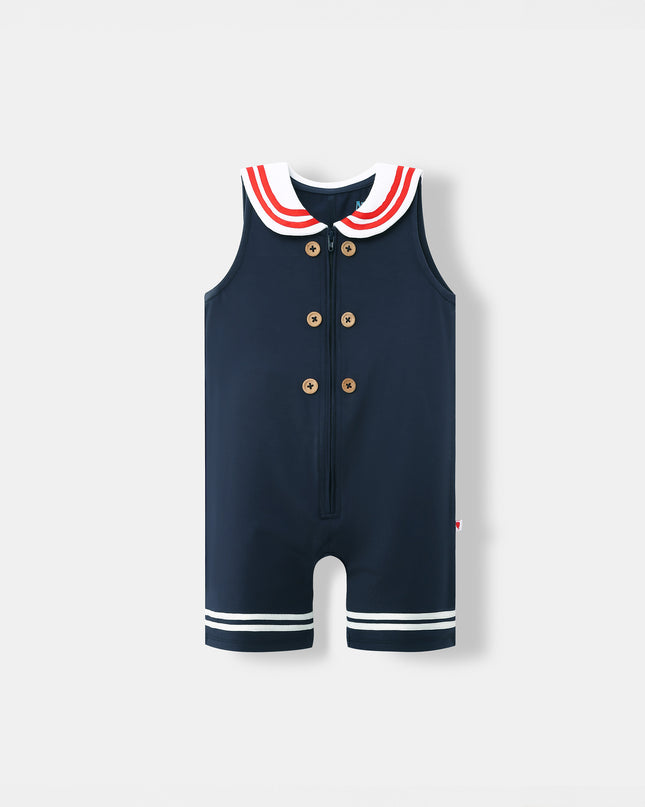
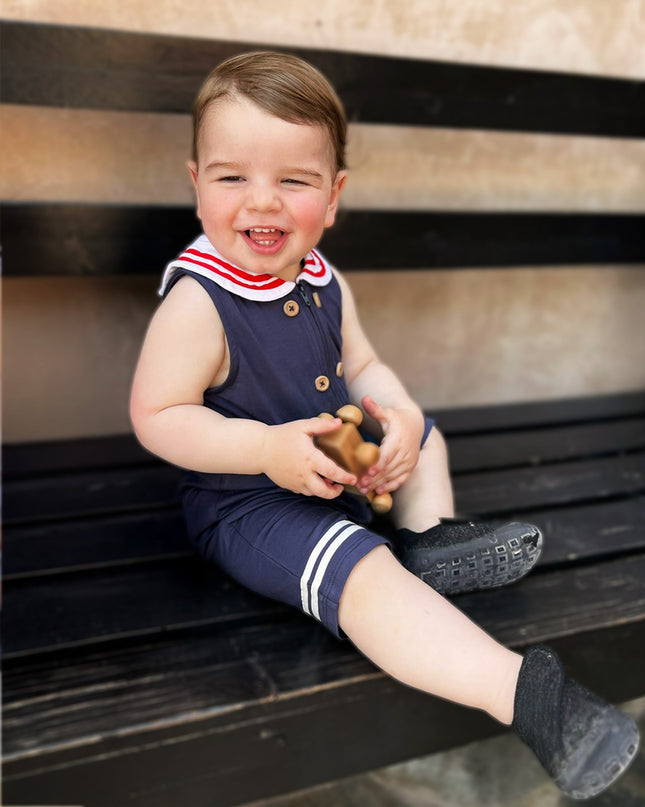
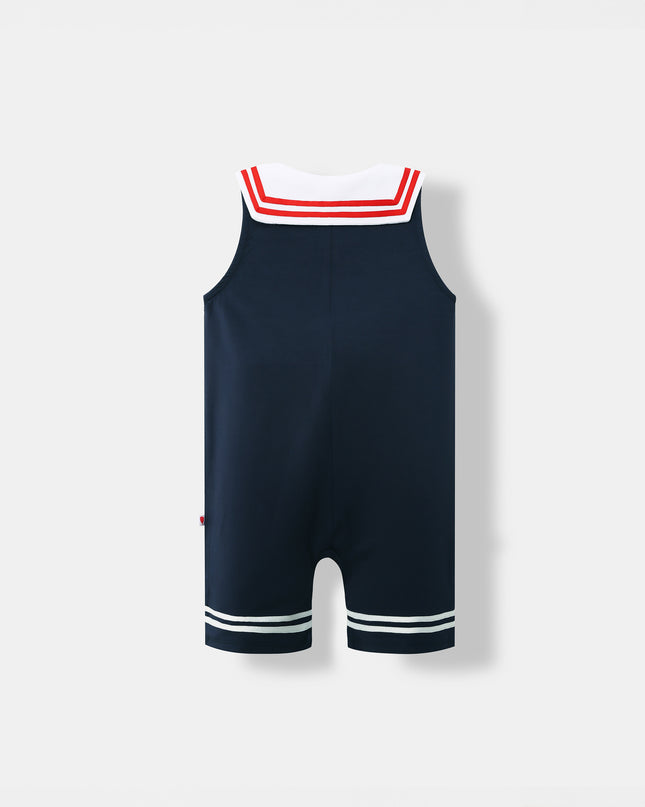
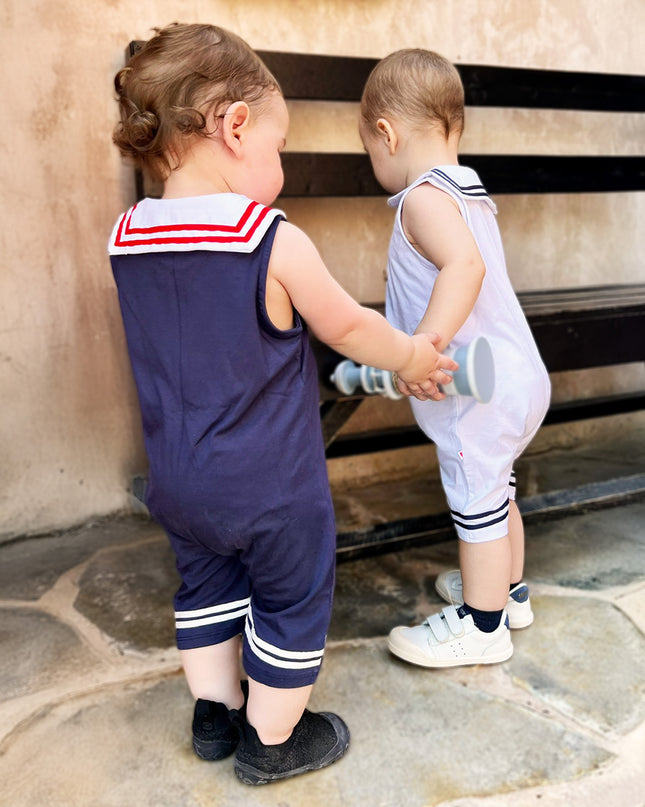
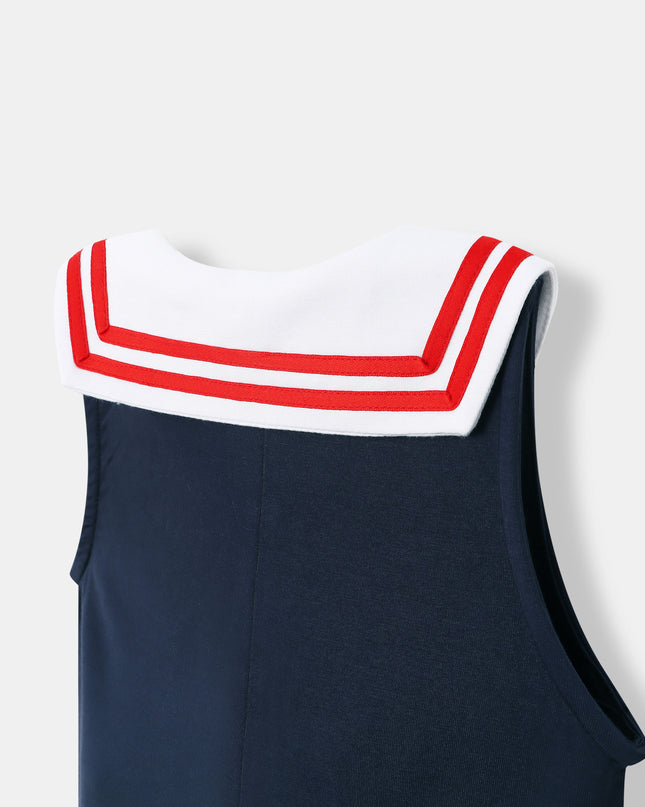
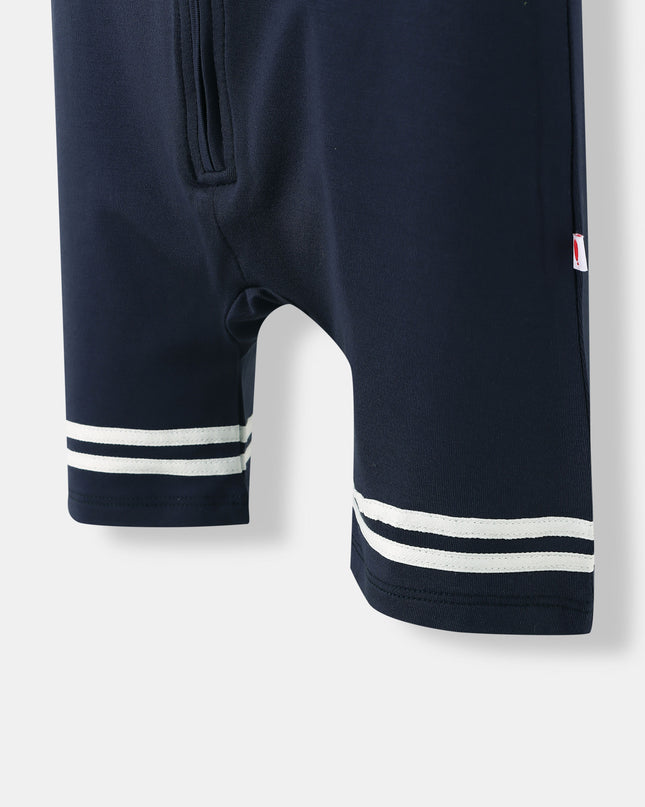
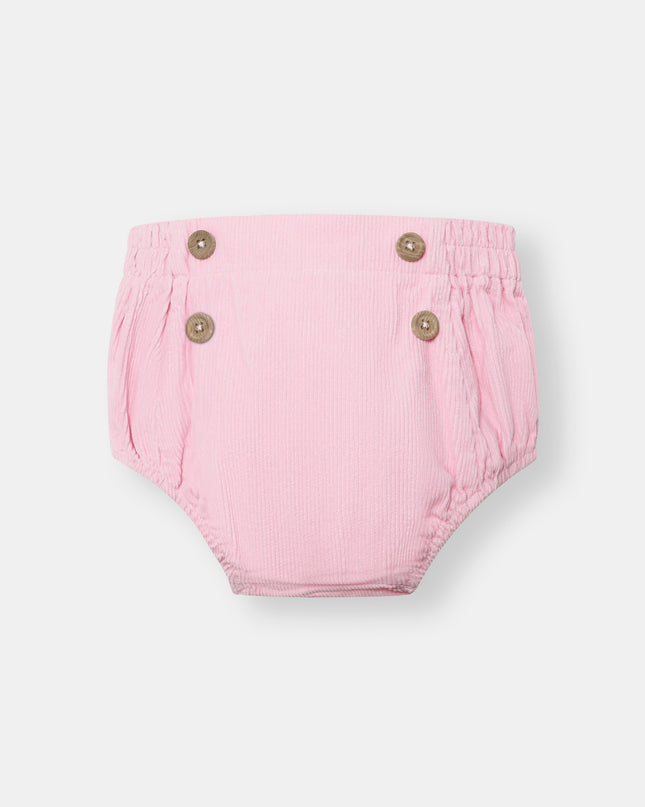
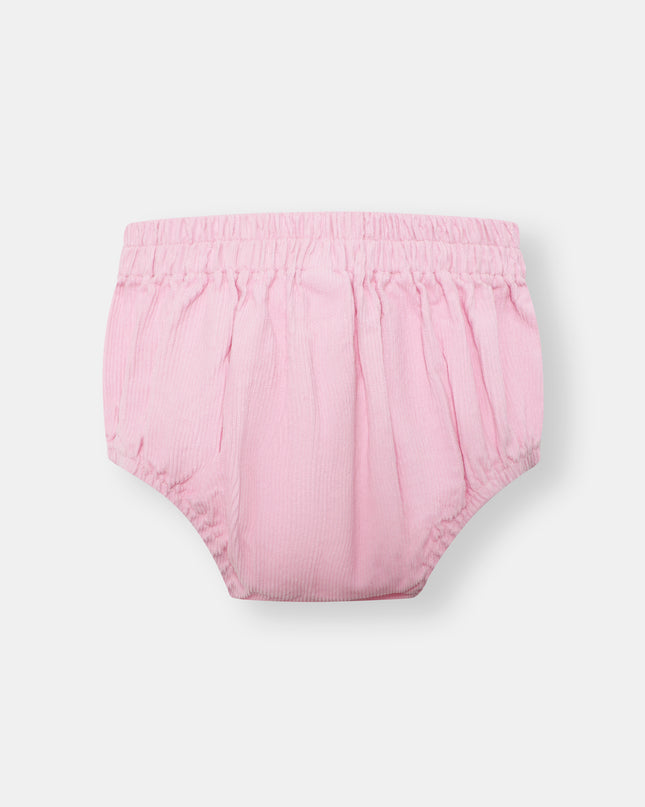
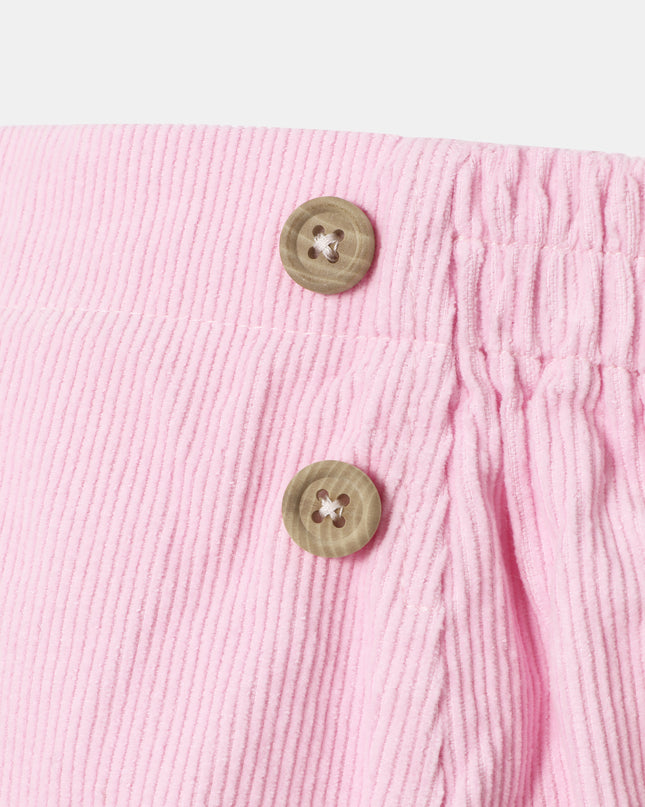
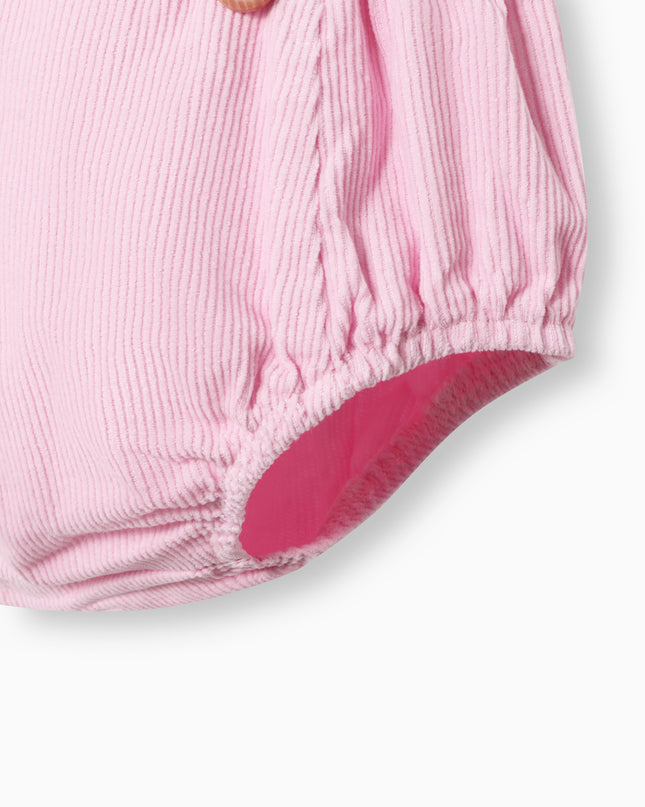
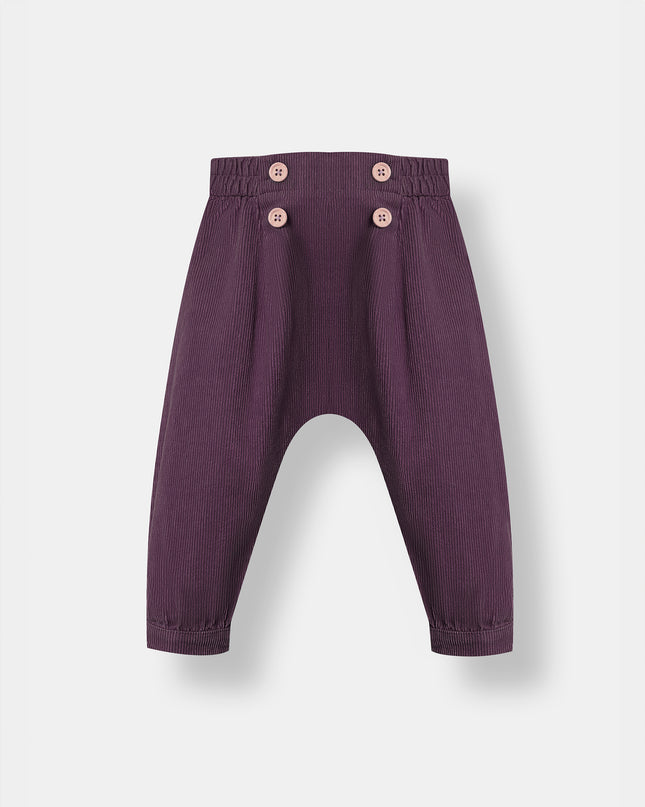
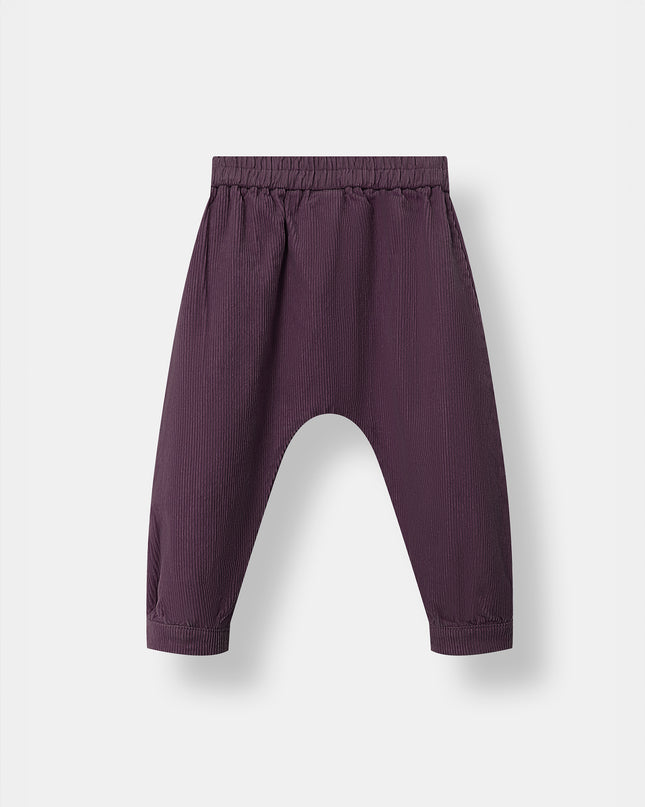
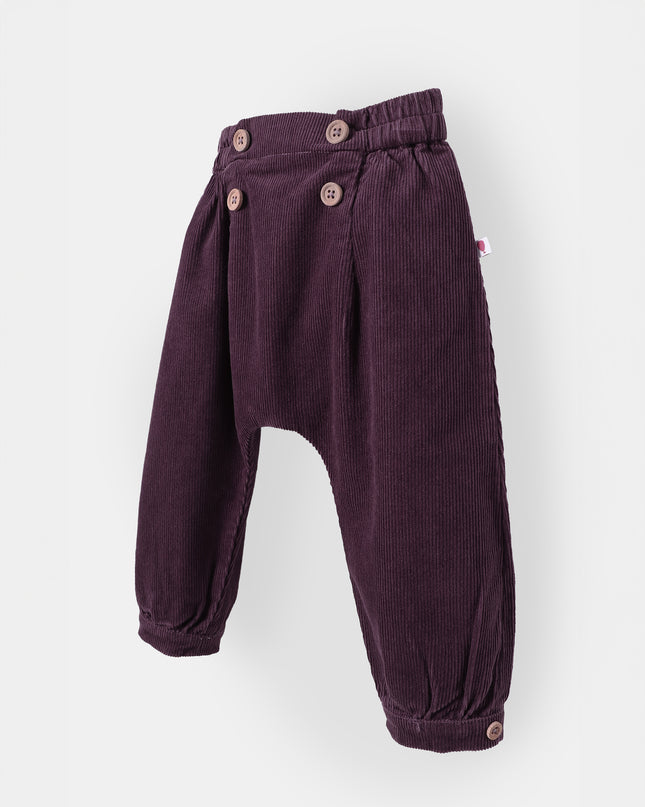
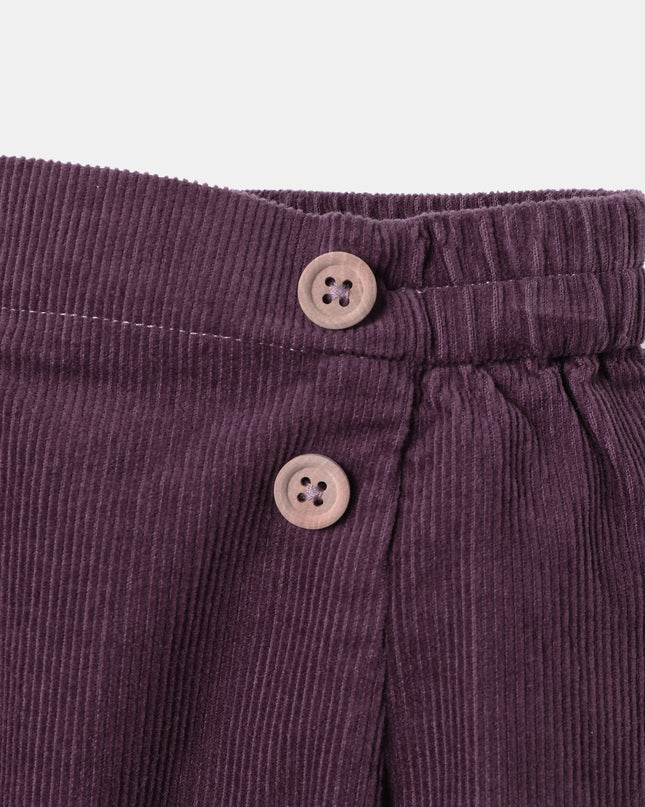
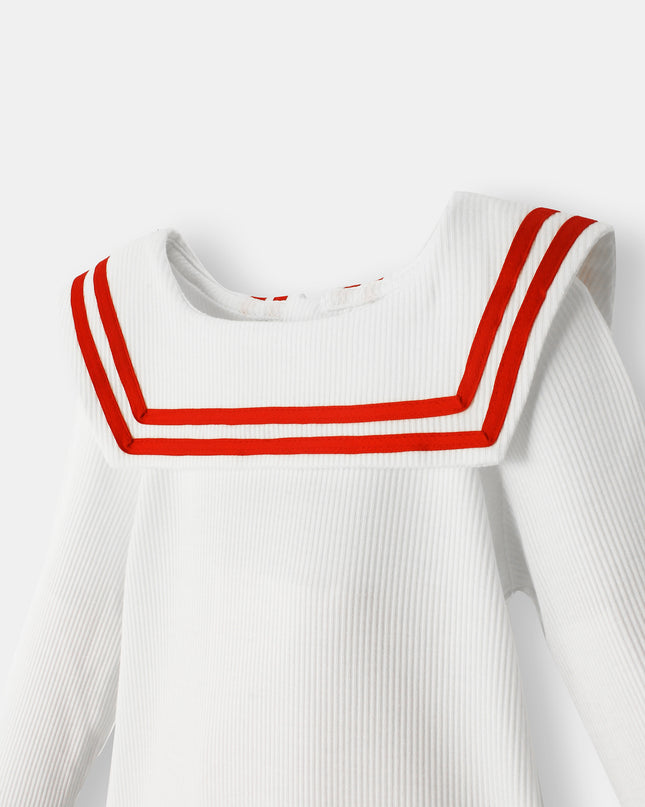
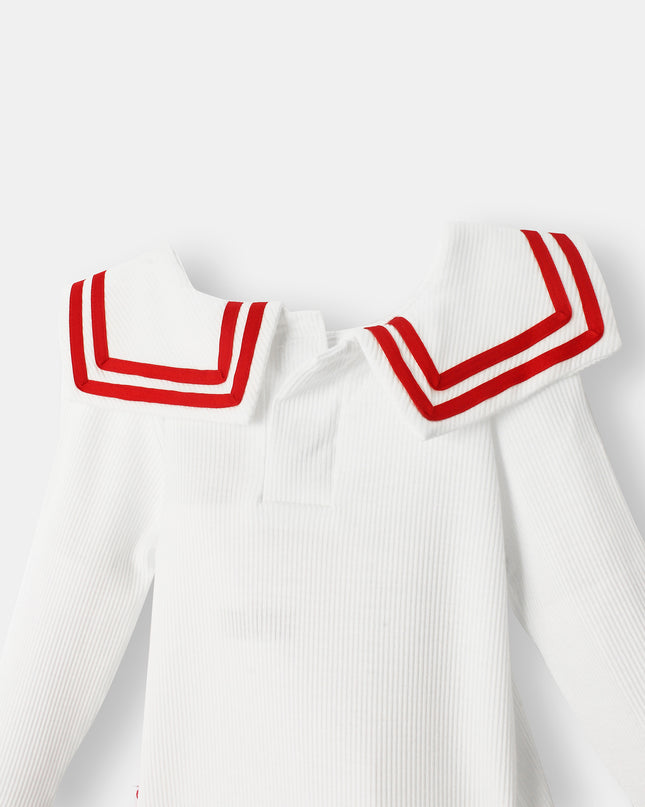
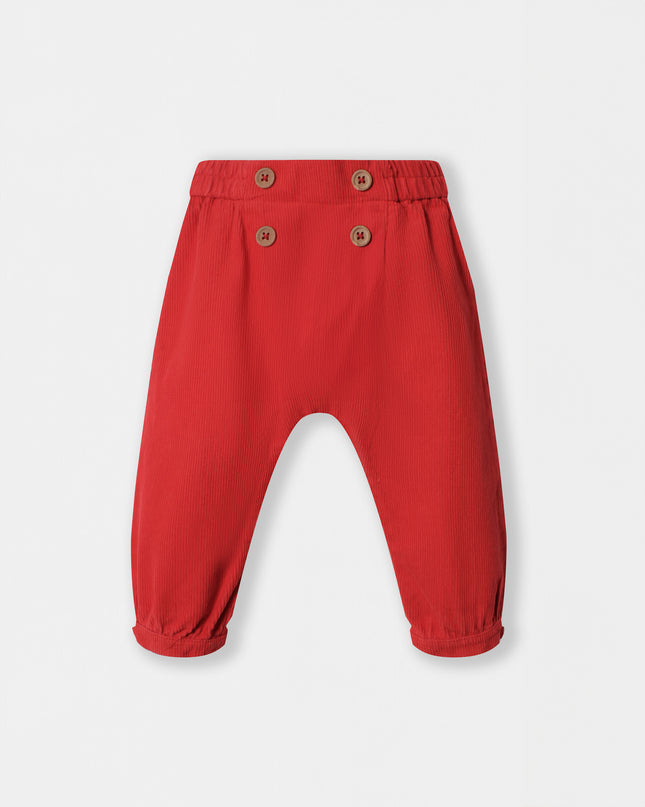
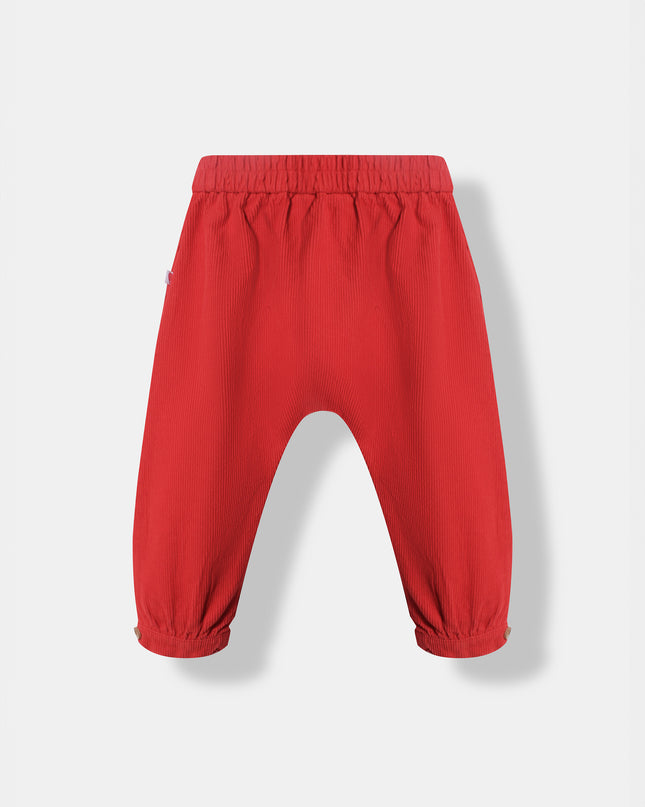
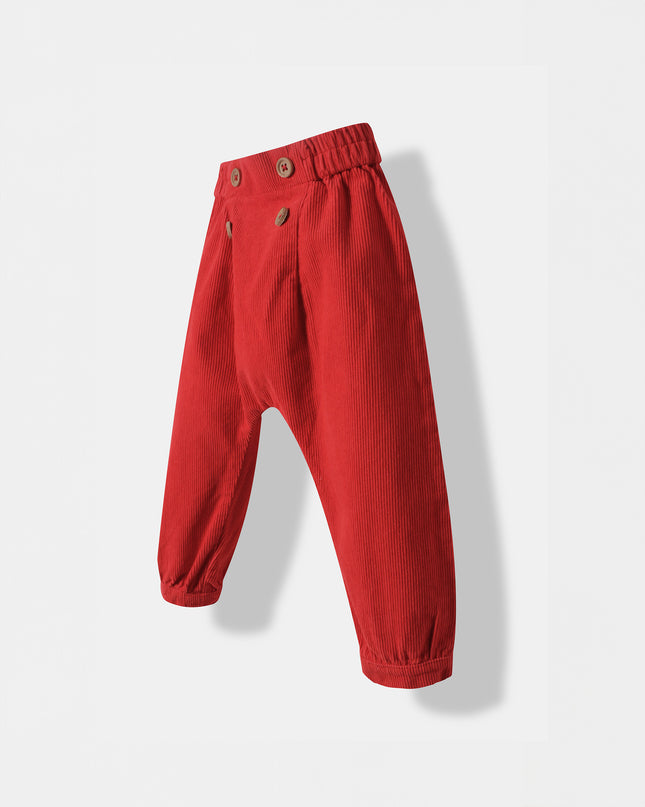
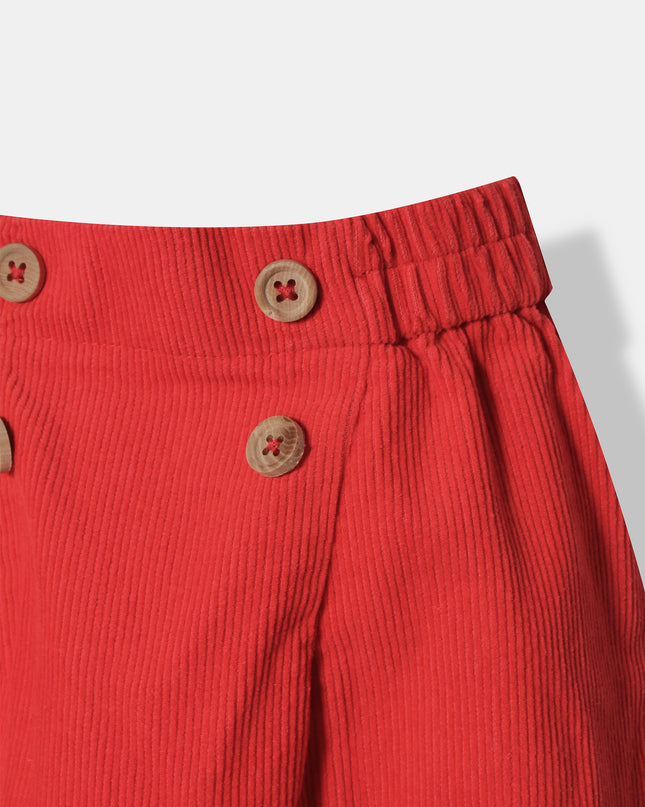
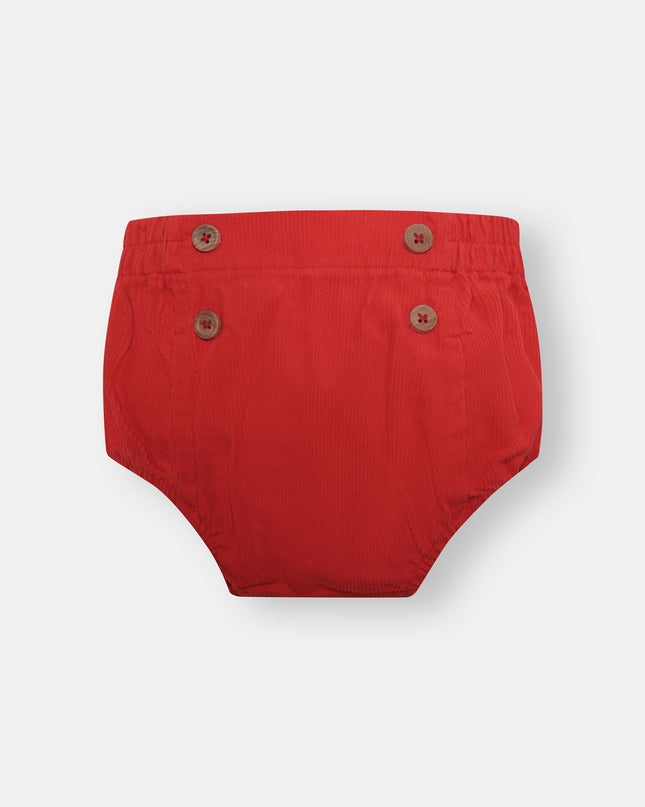
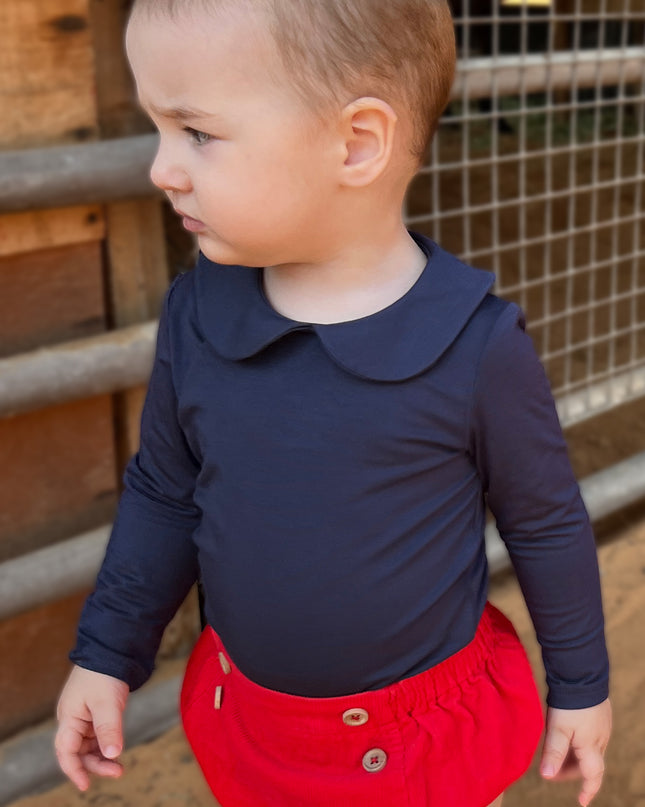
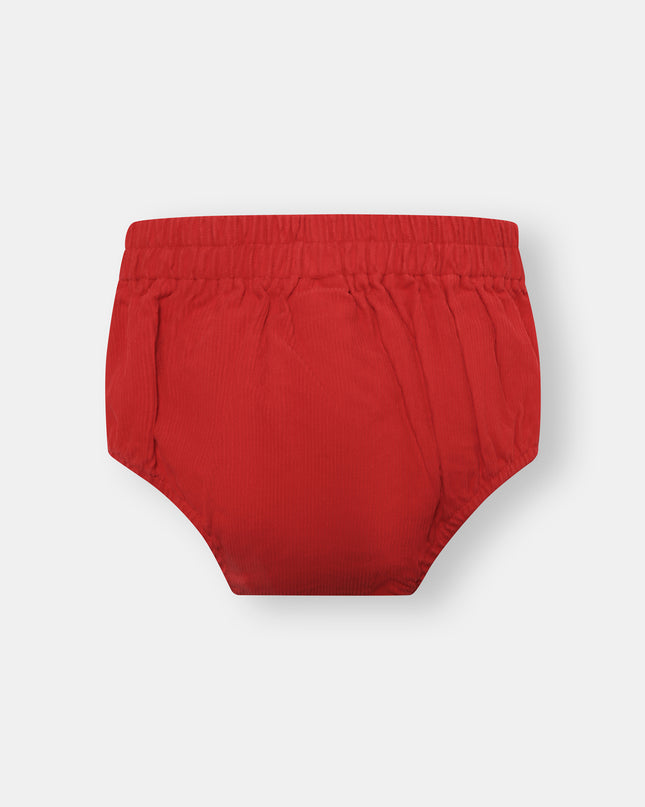
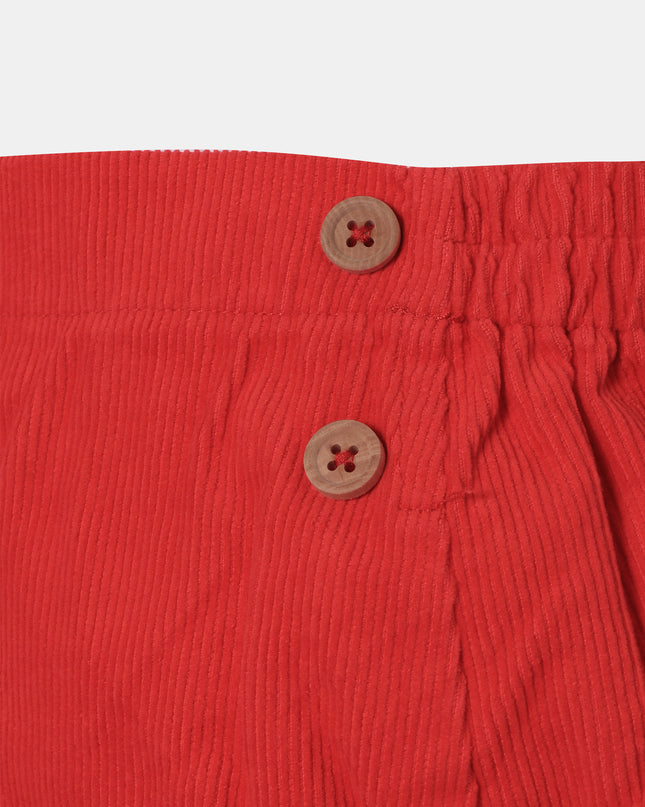
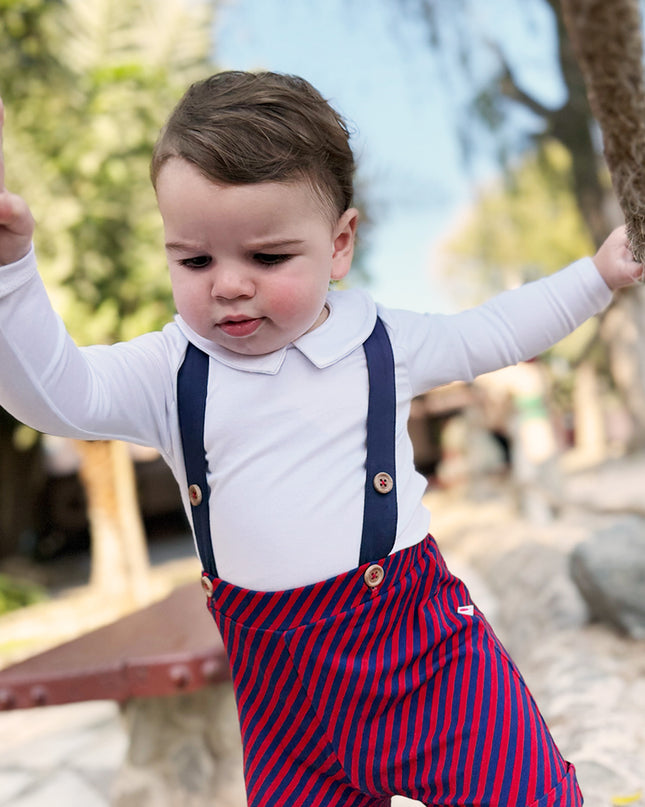
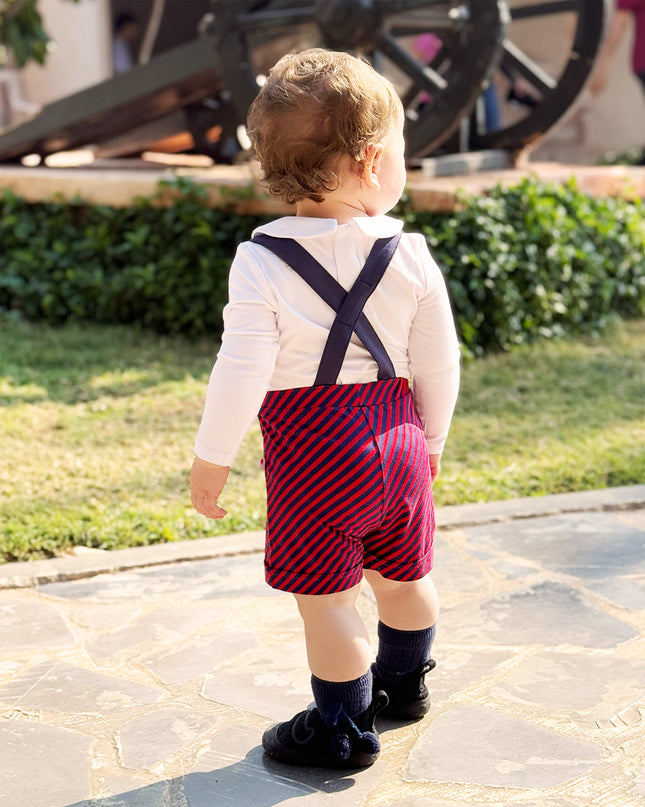
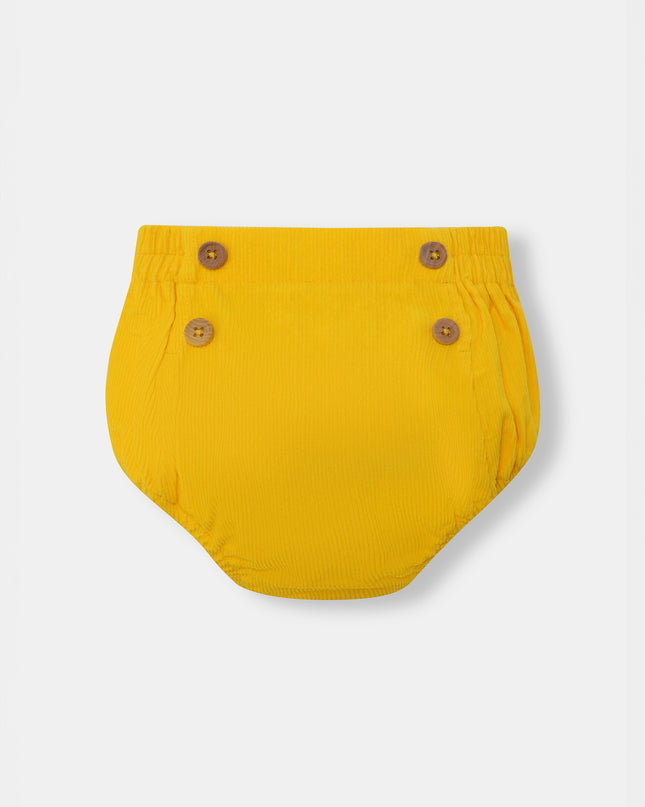
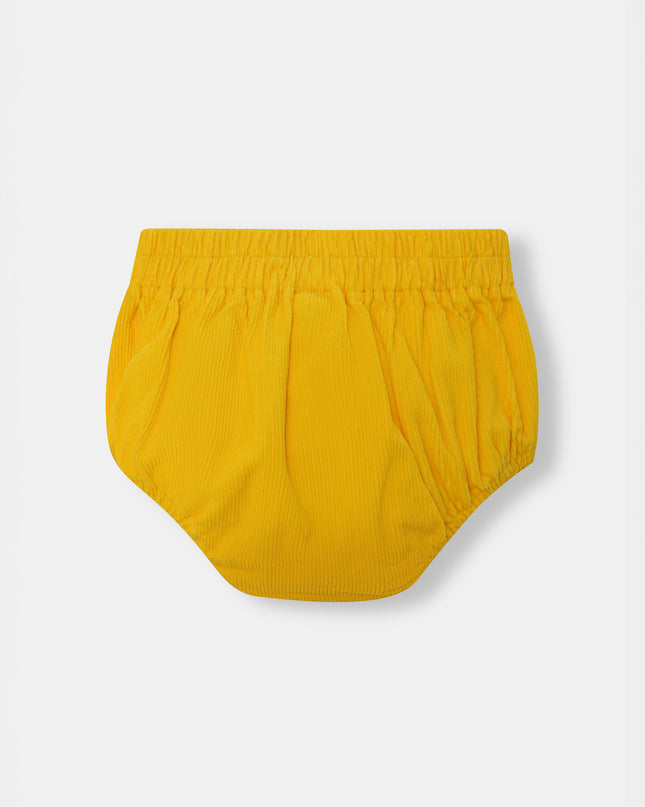
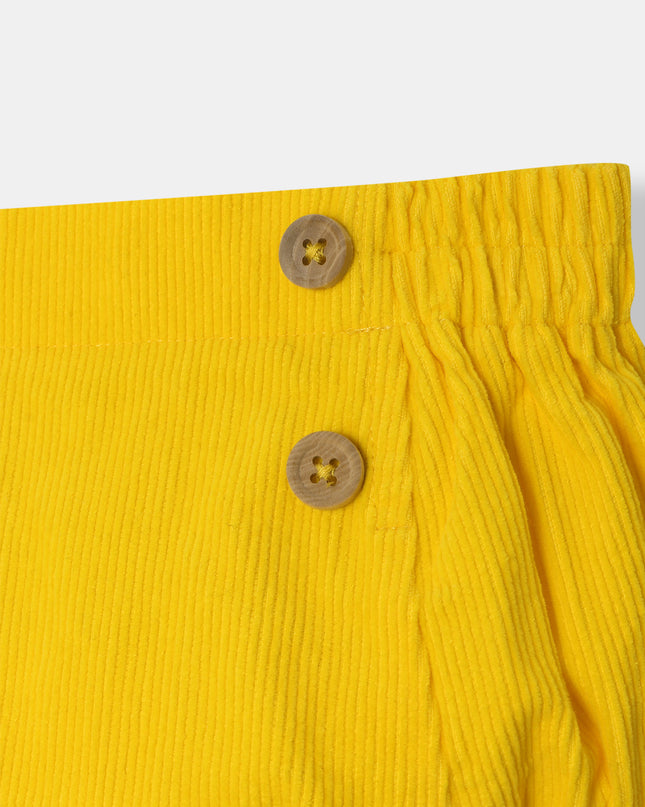
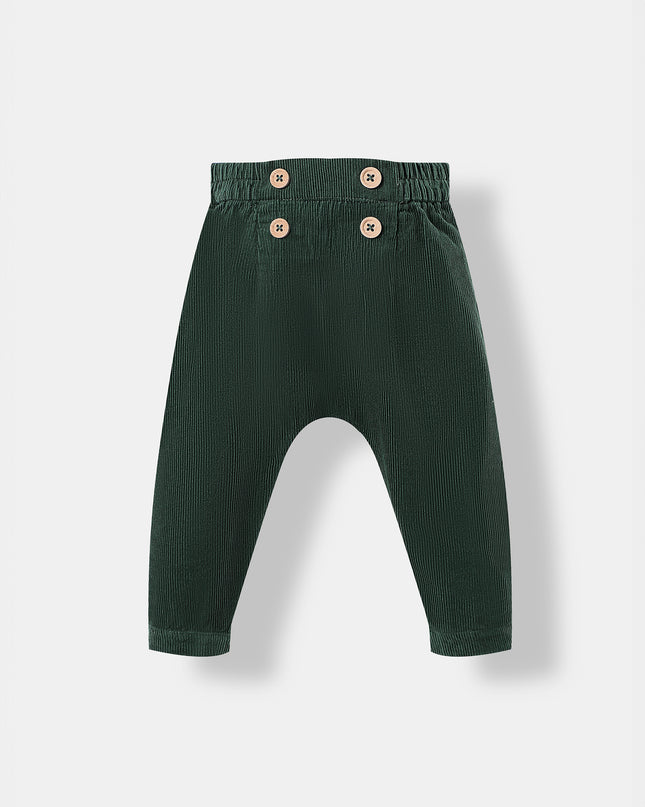
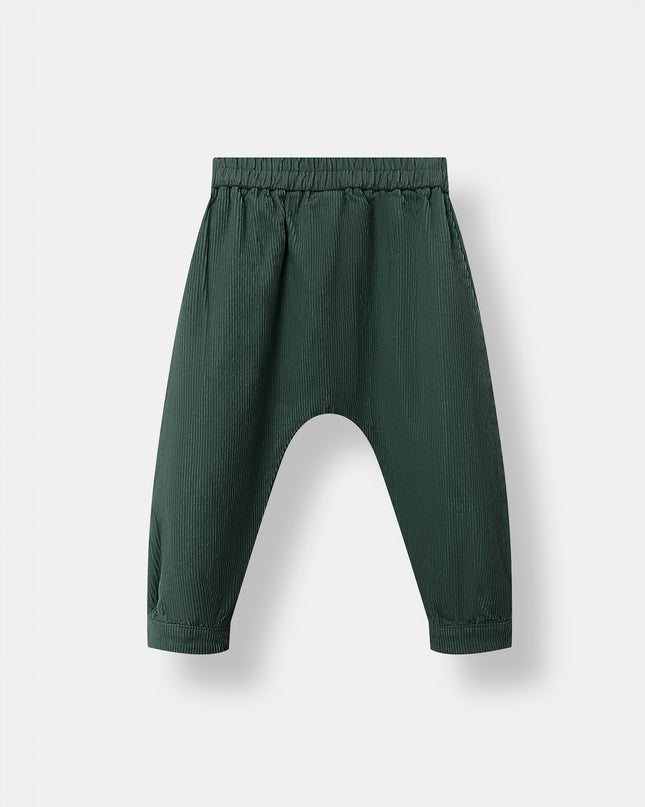
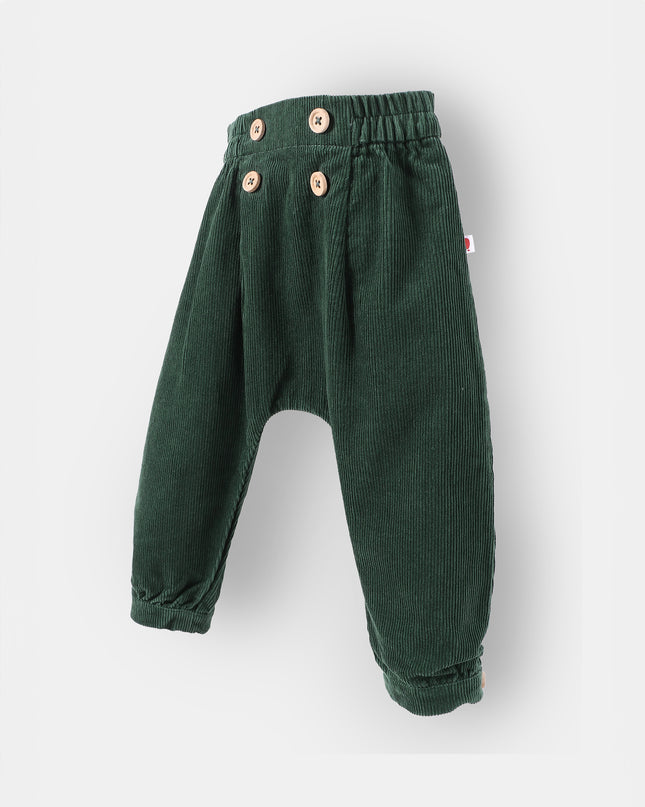
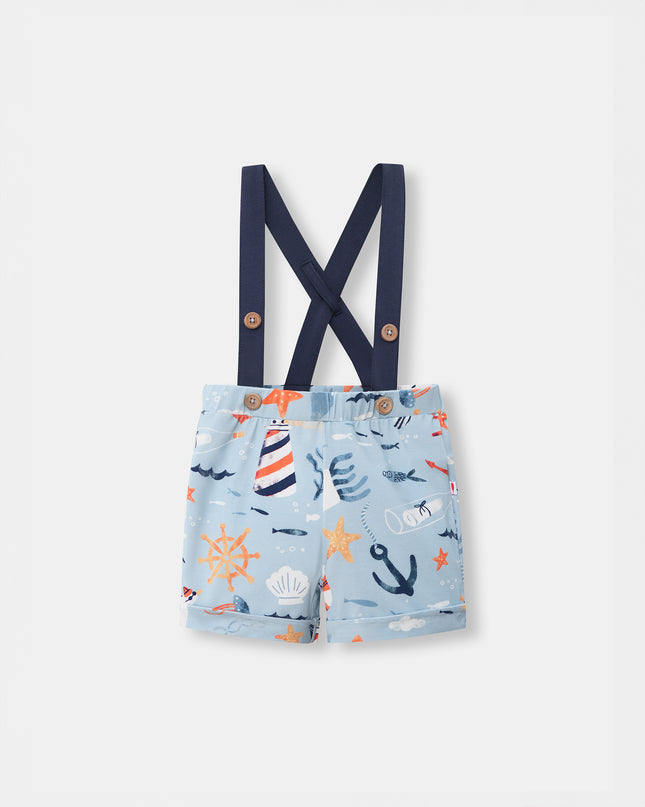
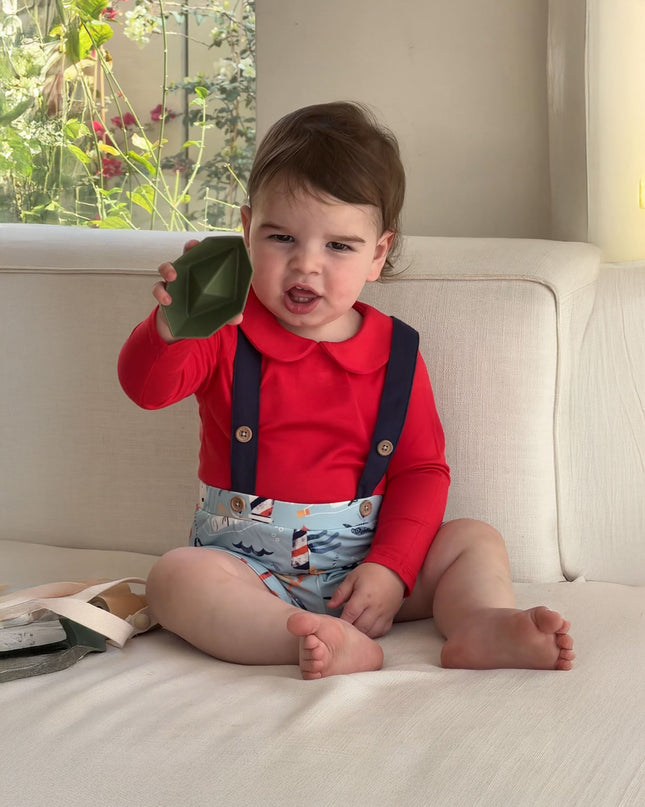
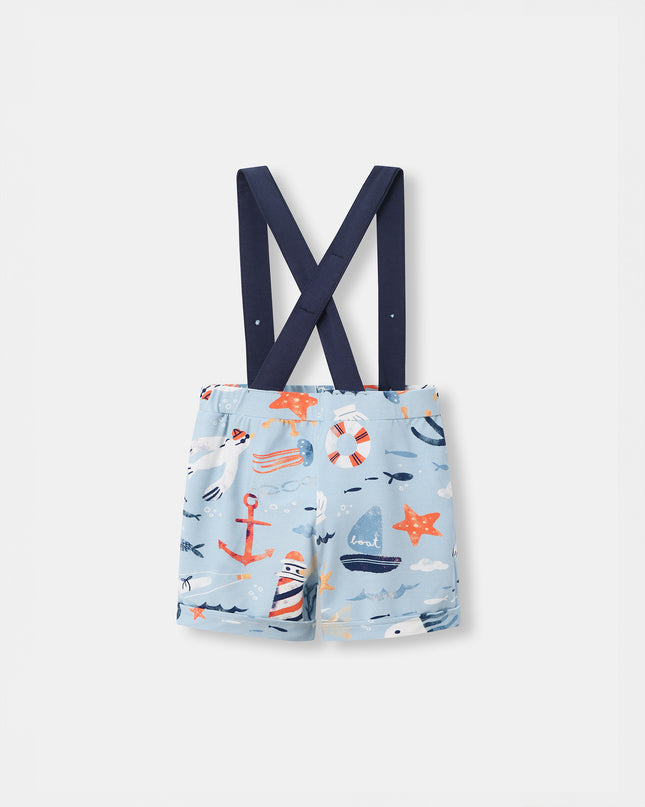
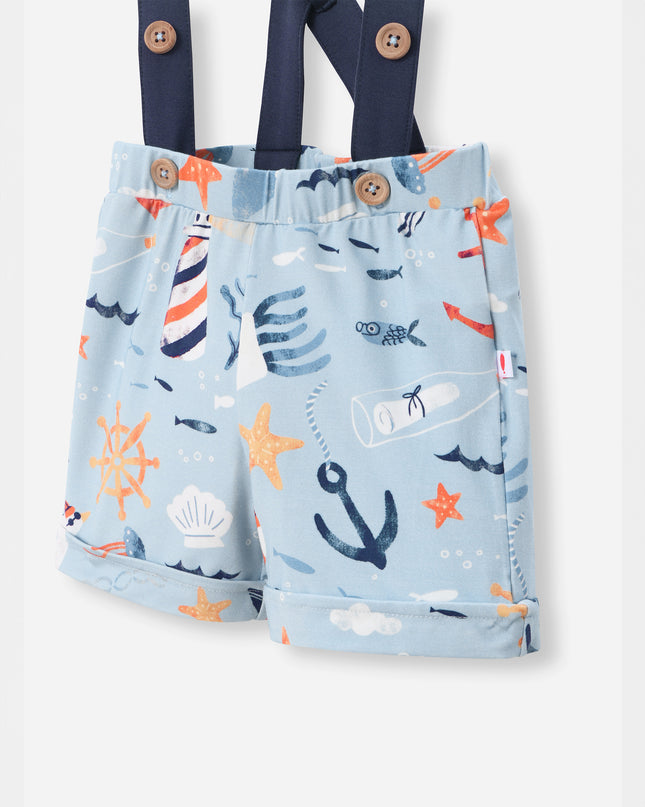
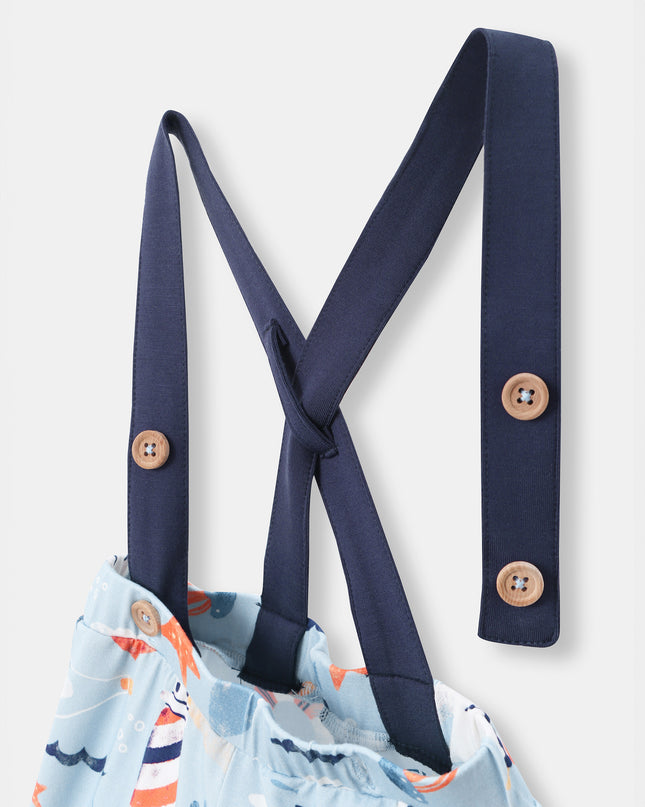
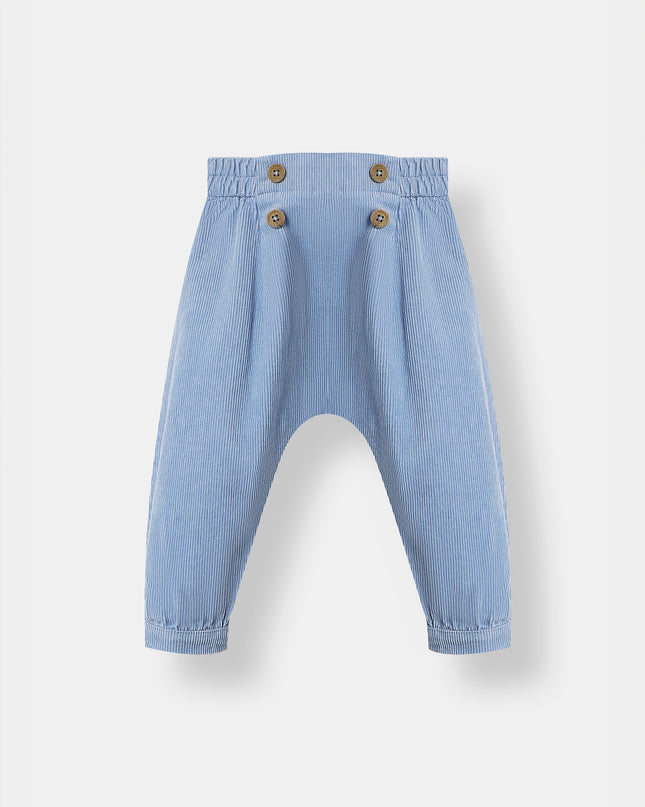
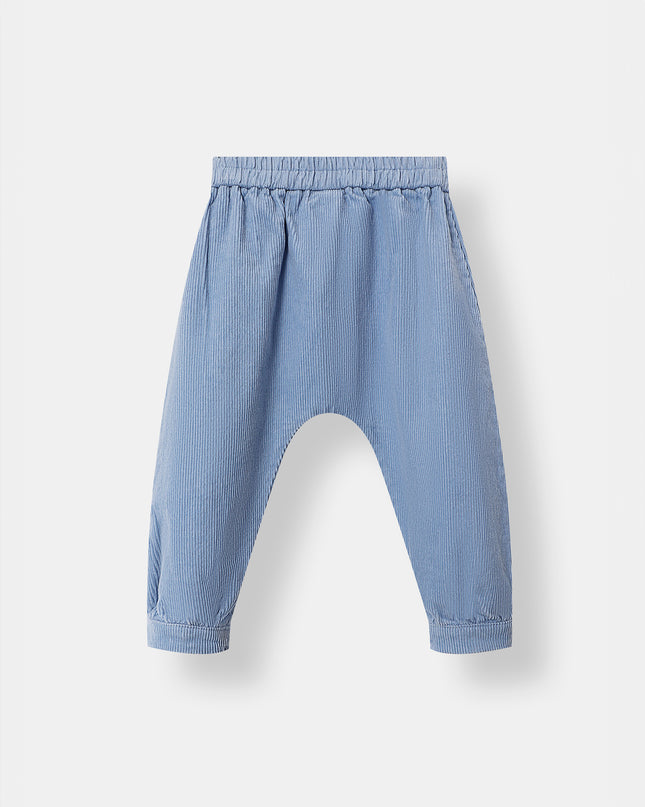
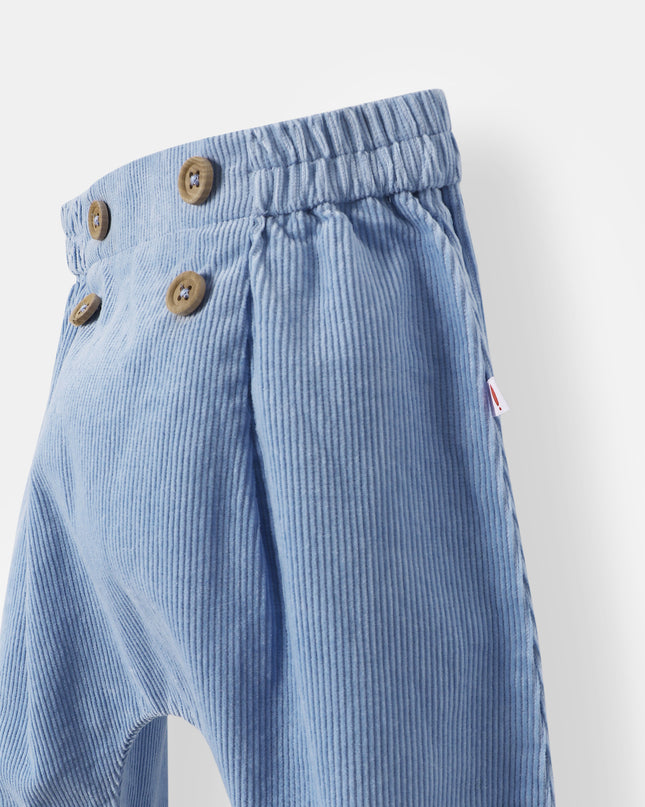
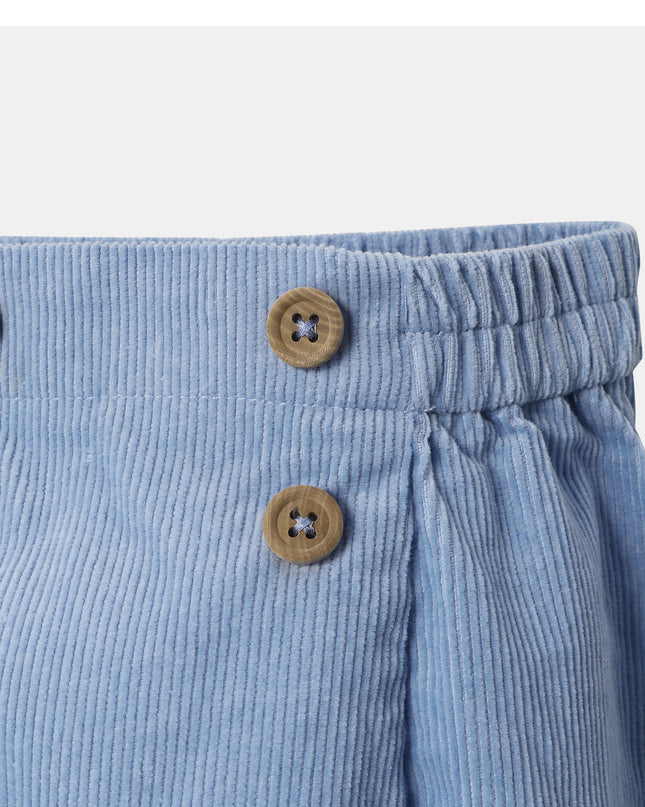
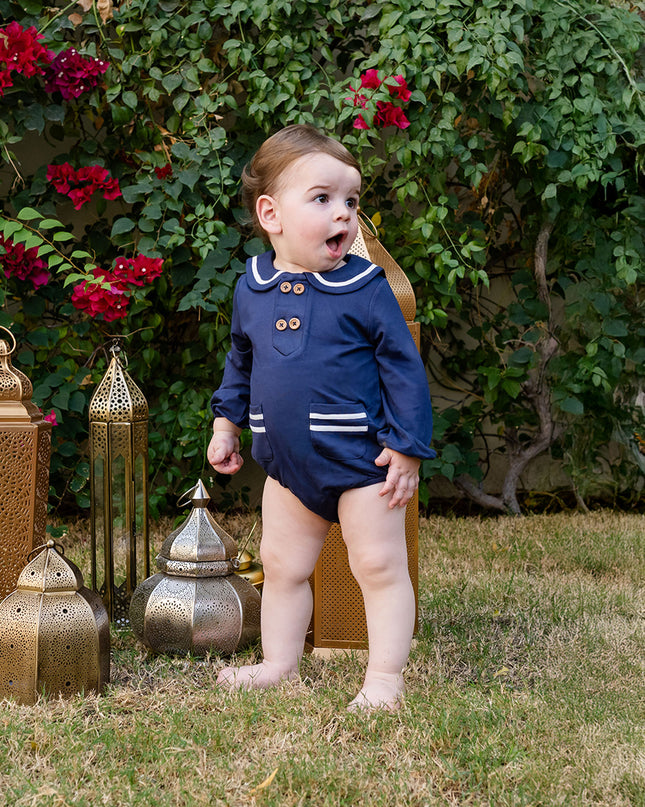
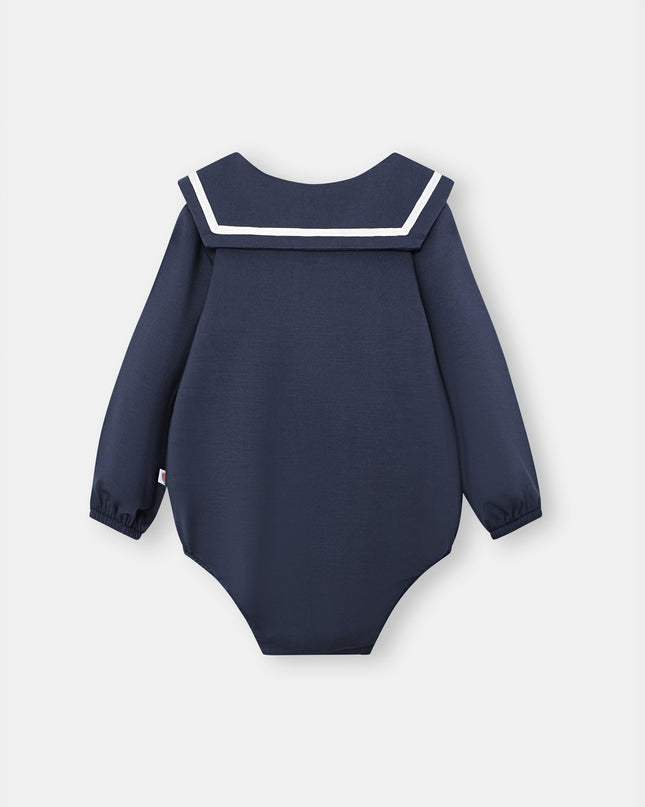
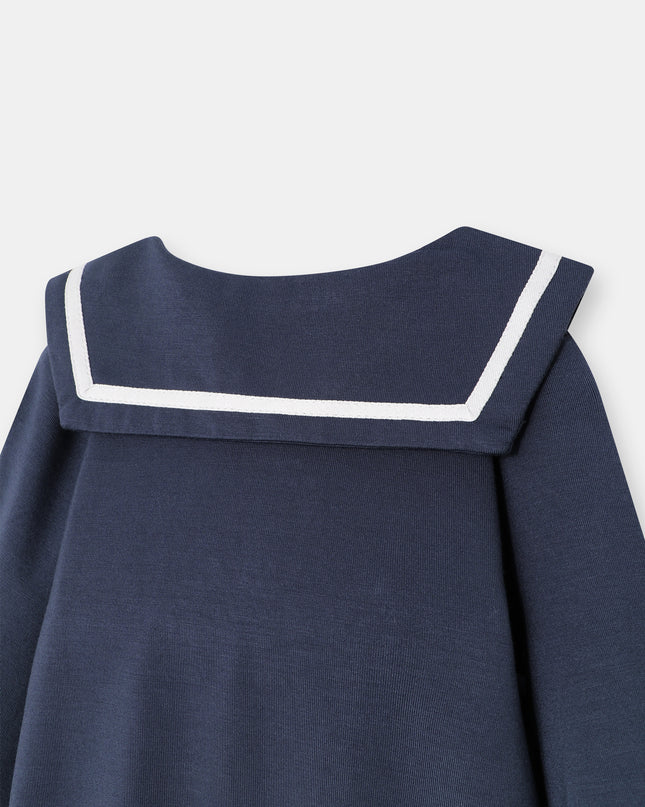
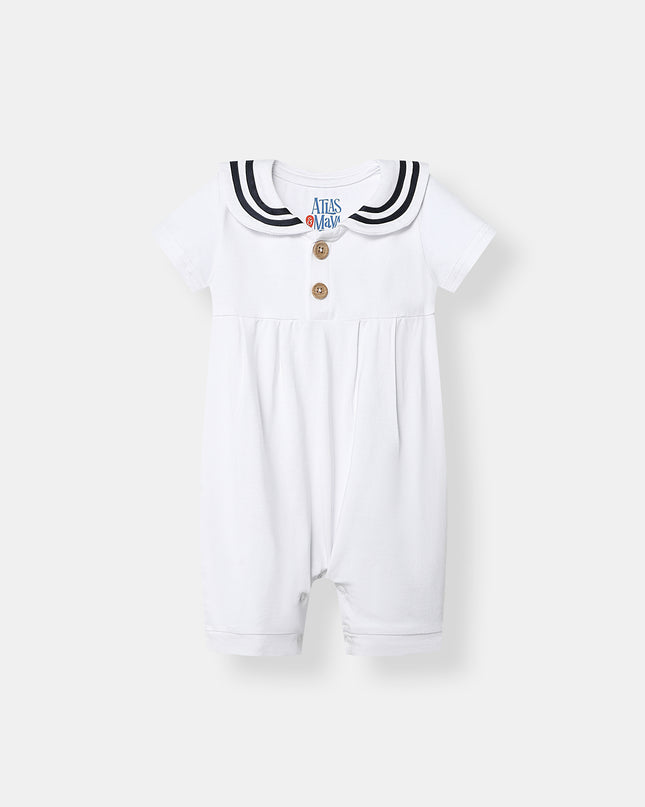
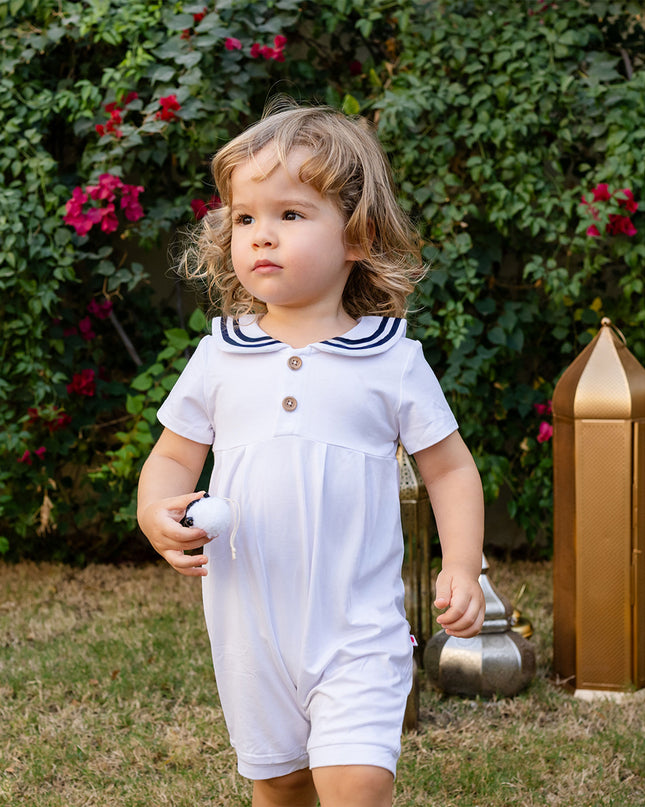
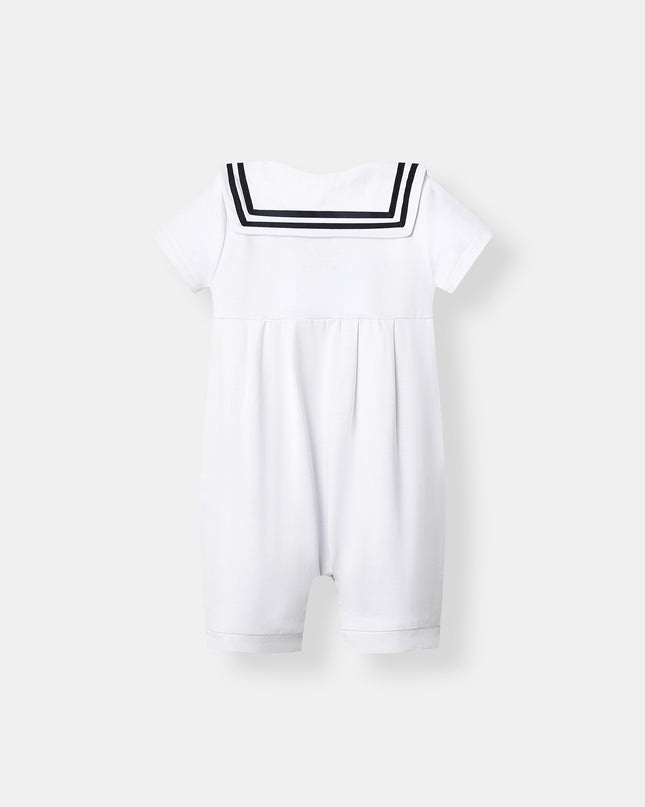
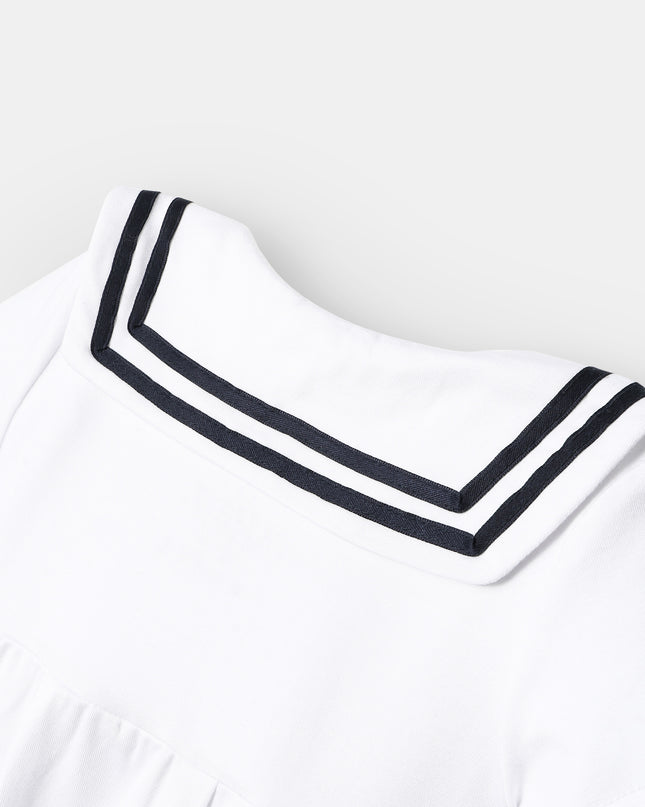
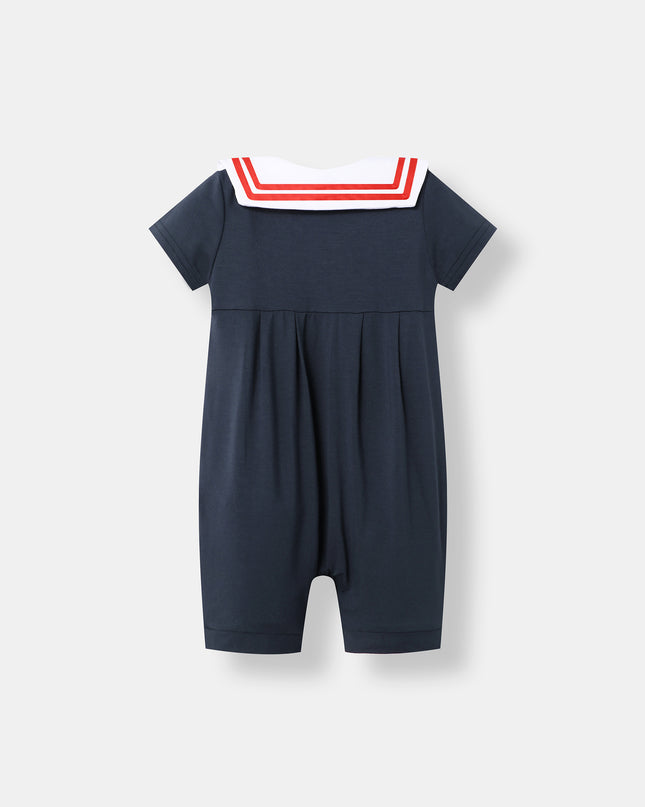
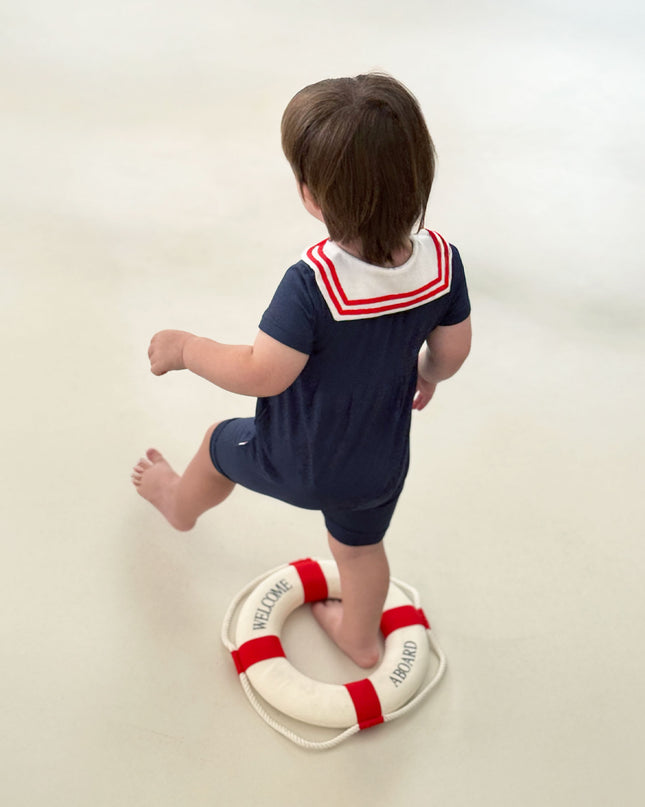
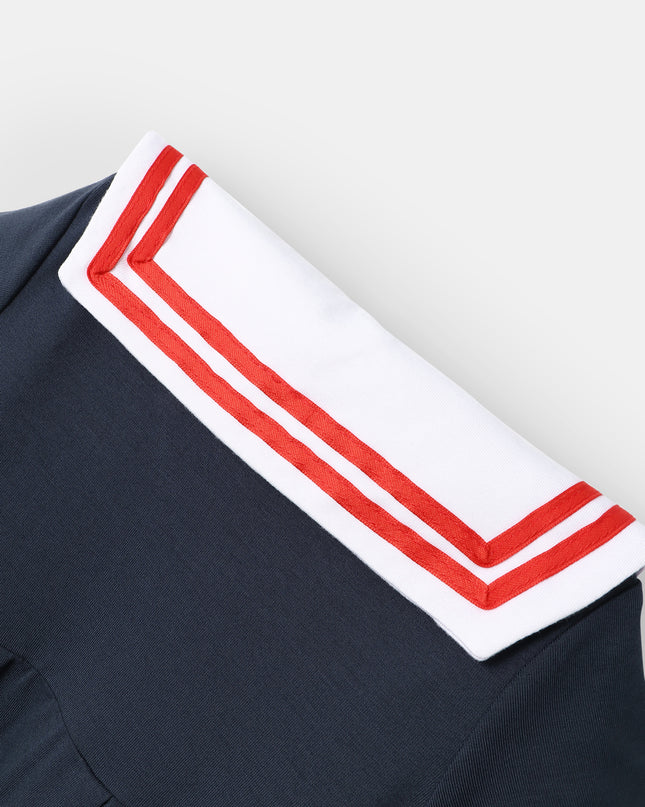
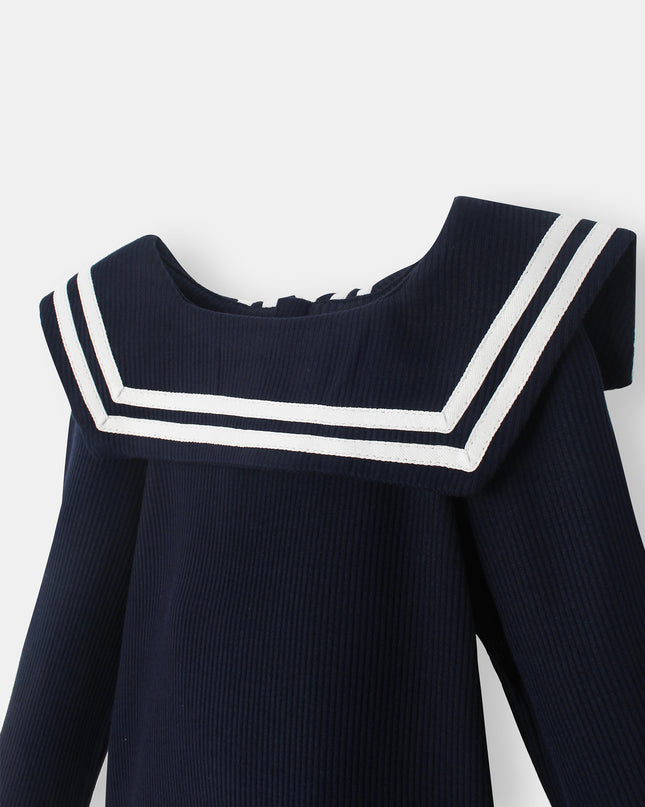
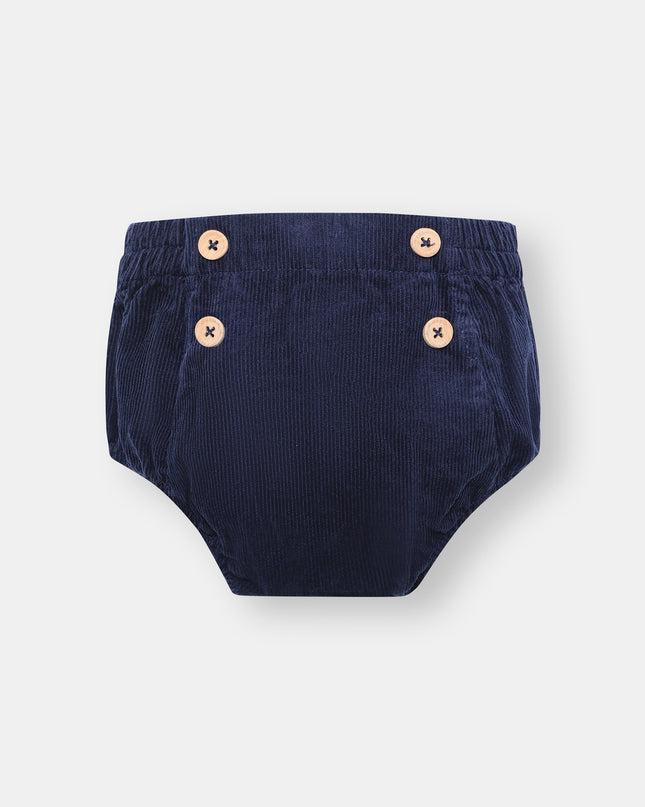
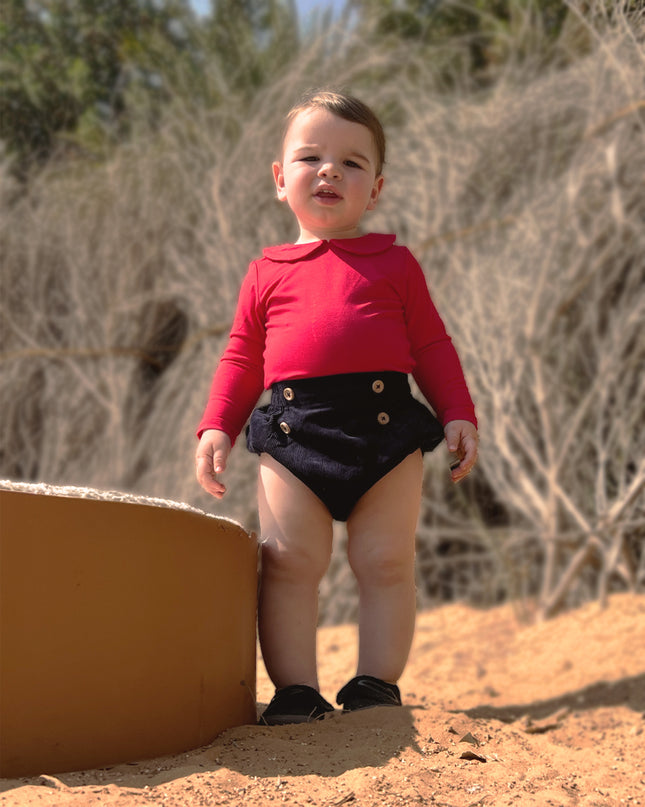
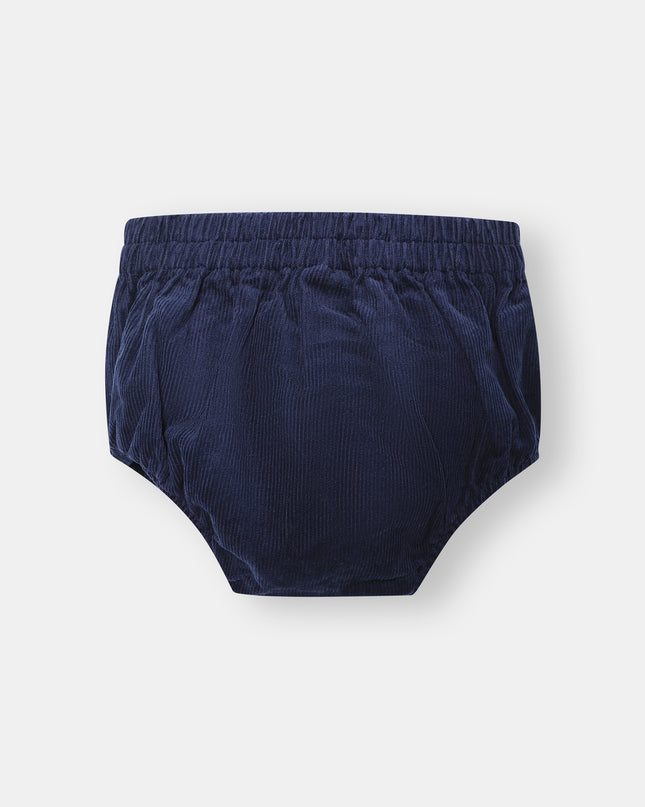
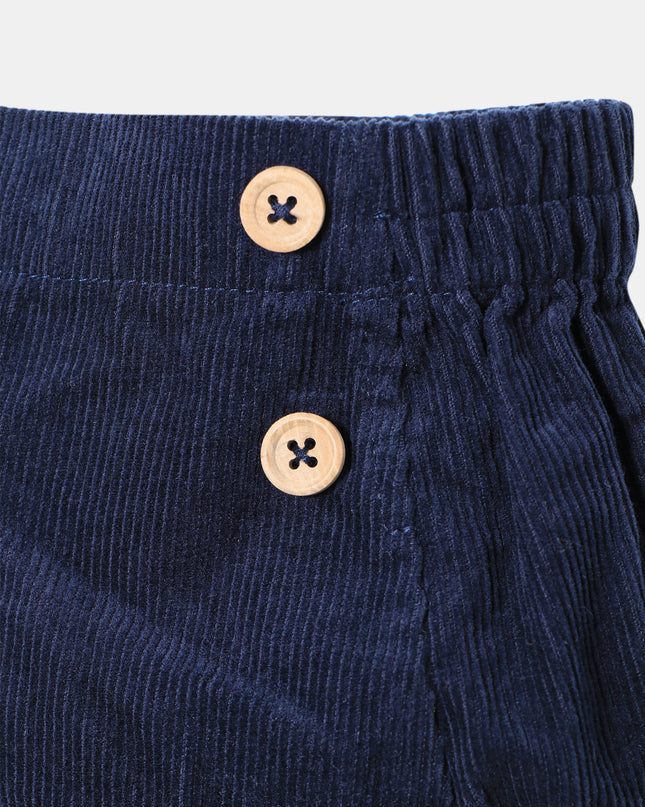
The sailor shorts, sailor pants and skirts are organic cotton rather than bamboo, because a waistband and a hem need to hold their shape and structure is what cotton does well. Right fabric, right job, and both of them made to be worn hard.